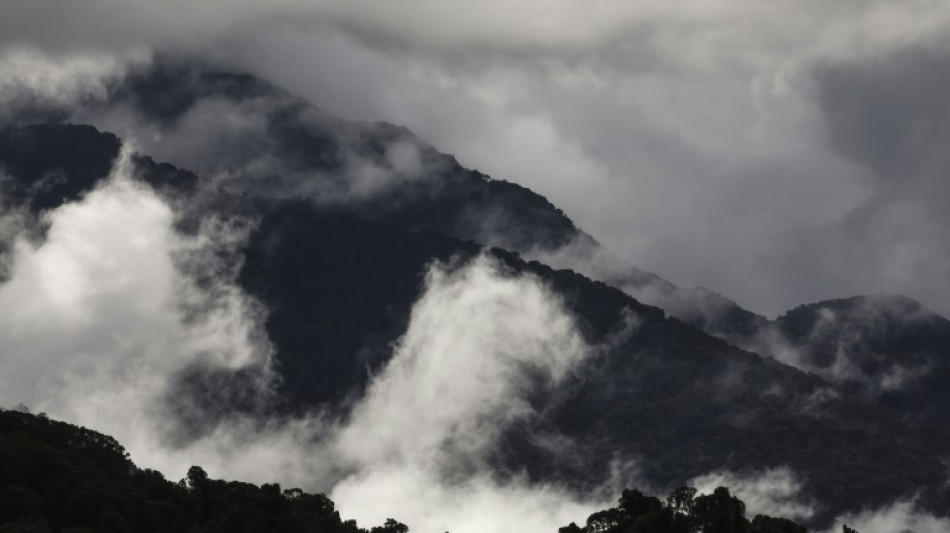
Australian rainforests no longer a carbon sink: study / Photo: © AFP

 BASIS.pro Expands On-Chain Infrastructure with XDC Network Partnership and Zypher DAO as Auto Earn Goes Live
 Samson relishing battle with teen star Sooryavanshi for India spot
 Pickle-flavoured tart? AI inspires Japan's convenience stores
 Macau holds first closed-door national security trial
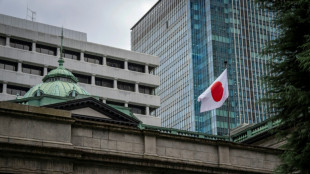 Bank of Japan set to raise rates under pressure from inflation, US
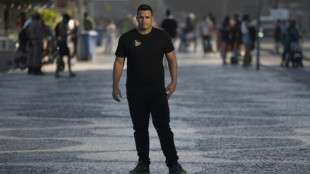
 Zverev, Shelton back on court for Davis Cup qualifiers
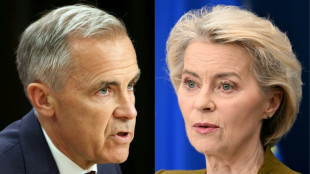
 Peace is a 'dangerous' word in Russian city heading to polls

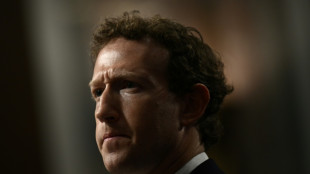 Meta chief pushes back on AI slowdown calls

 'Resident Evil' film brings video game's ethos to the big screen
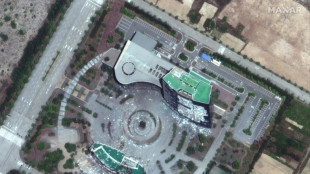 Court orders N. Korea pay Seoul $32.5 mn for blowing up office
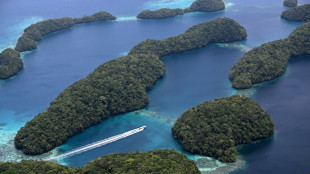 US military buildup in Palau stirs war fears
 US Fed to deliver rate decision with markets betting on hike
 Saudi, Egypt demand open Red Sea as Riyadh vows response to Houthi attacks

 Capitals say hockey star Ovechkin 'was asked' to film Putin ad

 Spurs in 'tough moment' after League Cup exit as De Zerbi says sorry

 Arteta salutes 'unbelievable' Dowman after Arsenal's teen star sinks Ipswich

 Empty seats as schools reopen in Venezuela's quake-hit Guaira

 Messi set for Argentina farewell in Benin friendly

 Ton-up Brook leads from the front as England hammer Sri Lanka in 1st T20

 AI giants pursue self-regulation as safety fears mount

 Argentina begin life after Messi with Bolivia friendly

 Helen Mirren delves into Patricia Highsmith's mind in 'A Talent for Murder'
 Sanders, Bannon warn of AI dangers in rare US left-right alignment

 US Senate crypto bill collapses amid partisan deadlock
 Raptors confirm Leonard return after Clippers salary cap scandal

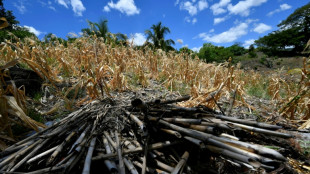
Australia's tropical rainforests are among the first in the world to start leaking more carbon dioxide than they absorb, scientists said Thursday as they linked the worrying trend to climate change.
The world's rainforests are typically thought of as crucial "carbon sinks" -- sucking huge quantities of planet-heating emissions from the atmosphere.
But new research has found rainforests in Australia's northern tropics have become net carbon emitters, "the first globally to show this response to climate change".
"Forests help to curb the worst effects of climate change by absorbing some of the carbon dioxide released by burning fossil fuels," said lead author Hannah Carle, from Western Sydney University.
"But our work shows this is under threat."
The researchers pored through records charting the growth of Queensland's rainforests over almost 50 years.
Extreme temperatures and severe droughts linked to climate change were making it harder for trees to grow, they found.
Trees store carbon dioxide in their trunks and branches as they grow but release the gas into the atmosphere when they die.
"Tropical rainforests are among the most carbon-rich ecosystems on the planet," said Carle.
"The change our study describes is largely due to increased tree mortality driven by climate change, including increasingly extreme temperatures, atmospheric dryness and drought.
"Regrettably, the associated increase in carbon losses to the atmosphere has not been offset by increased tree growth."
Co-author Adrienne Nicotra said it "remains to be seen whether Australian tropical forests are a harbinger for other tropical forests globally".
But the study, published in peer-reviewed journal Nature, suggested there was "the potential for a similar response to climate change" in other rainforests around the world.
"The rainforest sites at the heart of this research provide unusually long-term and high-resolution data on forest health through time," said Nicotra, from Australian National University.
"We need to pay attention to that data."
Despite its growing vulnerability to climate-linked natural disasters, Australia remains one of the world's biggest exporters of gas and thermal coal.
Australia's carbon dioxide emissions per person are among the highest in the world, World Bank figures show.
Global emissions have been rising but need to almost halve by the end of the decade to limit warming to safer levels agreed under the 2015 Paris climate agreement.
M.Schneider--VB