Uruguay legalizes euthanasia / Photo: © AFP

 Dakar Rally moved to Portugal and Morocco following Houthi attacks in Gulf

 German economy logs 0.2% growth, faster than expected

 Crypto platform Binance confirms 'complex' $6.3 bn hack

 Spanish inflation stays at three-year high before election

 Drugs giant AstraZeneca reveals higher profits, savings plan

 French economy 'headed for a wall' as GDP shrinks

 South Korea to prosecute students cheating with smart glasses

 Surging costs of living top US voter concerns

 Basic services, fading loyalties loom over South Africa's vote

 Shock, vindication, regret: Scientists react to AI roiling life's work

 Crypto platform Binance confirms $6.3 bn hack

 Boozer shines as Grizzlies top Blazers in battle of NBA unbeatens

 Jorge Martin confirmed to race at Malaysian MotoGP

 Bayern and Kane host Dortmund after week of 'extremes'

 Packers beat Panthers 27-19 as Watson returns from hospital

 Affordable supermarket fashion offers designer-inspired autumn alternatives

 Judge throws out Australian mushroom killer's appeal, imposes harsher sentence

 Pelicans down Kings for first win of NBA season

 Tech firms take fresh hit as earnings misses fan AI fears

 Worcestershire leaders back renewed two-unitary council reorganisation

 India's animal megacentre vows reset after criticism

 Dodging fuel price hikes, Damascus drivers turn to electric cars

 Alvechurch manager praises resilience but seeks improvement after Anstey draw

 Crypto platform Binance confirms major hack, more than $2.5bn frozen

 Sports chiefs face losing battle to keep sport separate from politics

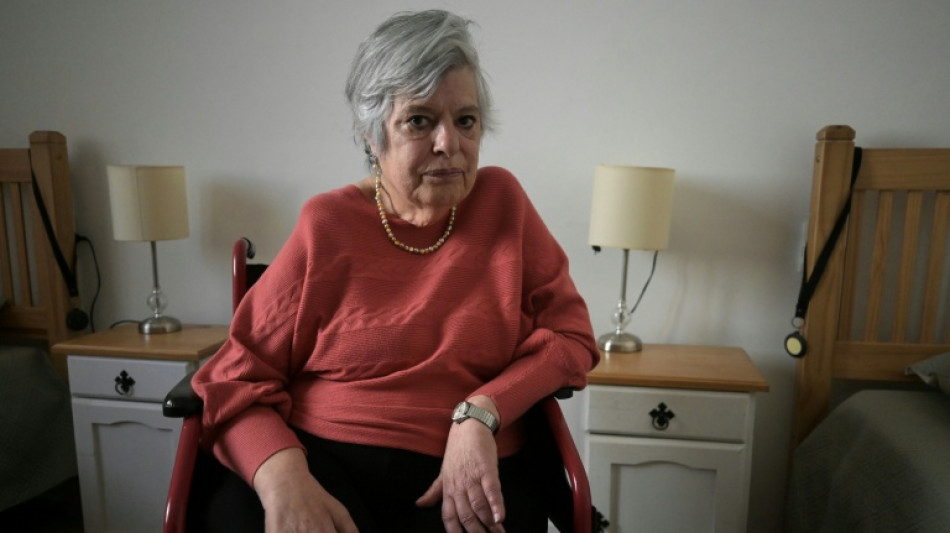
Uruguay on Wednesday legalized euthanasia, becoming one of the first countries in Latin America and among a dozen worldwide to allow assisted suicide.
The small South American country has a long history of passing socially liberal laws, legalizing marijuana, same-sex marriage and abortion long before most others.
On Wednesday, euthanasia was added to the list with the Senate approving the so-called "Dignified Death" bill, garnering 20 votes in favor out of a total of 31 legislators present, passing a law approved by the lower Chamber of Representatives in August.
The vote came after 10 hours of debate on an issue several lawmakers called "the most difficult."
The discussion was largely respectful and often emotional, though some onlookers watching the debate cried out "murderers" after the vote passed.
Elsewhere in Latin America, courts in Colombia and Ecuador have decriminalized euthanasia without passing laws to legalize the practice, while Cuba allows for terminal patients to refuse being kept alive artificially.
An initiative of the ruling leftist Frente Amplio, the legislation finally passed after a years-long battle, with fierce opposition mainly among the religious right.
A recent poll showed more than 60 percent of Uruguayans support legal euthanasia, with only 24 percent opposed.
The bill allows assisted suicide for adult Uruguayan citizens or residents who are mentally competent and in the terminal stage of an incurable disease that causes them suffering.
Uruguayan Beatriz Gelos, a 71-year-old who has battled neurodegenerative ALS for two decades, told AFP the law was "compassionate, very humane."
In a wheelchair and speaking with a faltering voice, she said opponents "have no idea what it's like to live like this."
Another proponent is Monica Canepa, whose son Pablo, 39, has been paralyzed by an incurable disease.
"Pablo is not living. This is not life," she told AFP.
Uruguay's Medical Association has not taken a stance on euthanasia, allowing its doctor members to follow their own conscience.
The Catholic Church, for its part, has expressed "sadness" at the decision.
A.Zbinden--VB