
-
 Oil falls further on Mideast deal, but Fed outlook knocks equities
-
Mexico, Korea eye World Cup knockout berths
-
 Range raises $8.3M Series A to unify treasury, risk and compliance across stablecoins and fiat
-
IAEA ready to help define 'concrete steps' to implement US-Iran deal
-
 Ibrahima Konate signs four-year deal with Real Madrid
-
Hegseth tells NATO US will review force presence in Europe
-
 Innovations on show at Paris Vivatech fest
-
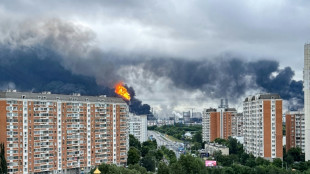
Ukraine sets Moscow refinery ablaze in biggest attack in years
-
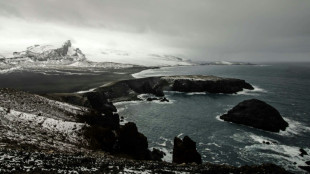 Bird flu kills 13,000 seal pups on remote Australian island
-
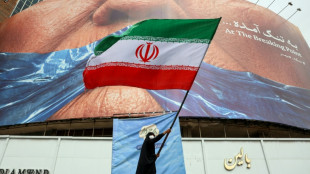
Oil prices sink further as Trump signs deal to reopen Hormuz
-
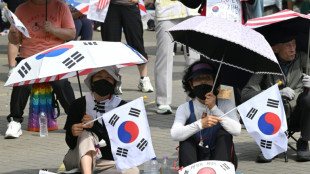 South Korean lawmakers launch probe into ballot paper shortages
-
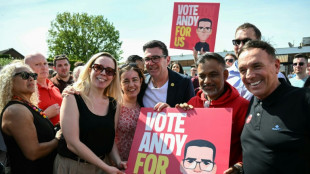
Starmer rival seeks win in UK poll pivotal to PM's fate
-
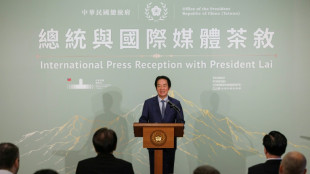 Taiwan president says hopes for $14 bn US arms sale 'as soon as possible'
-
Why are Kenyan kids burning schools and killing their classmates?
-
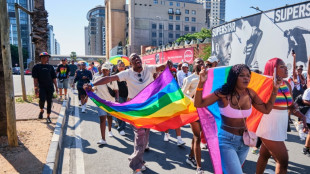 New wave of anti-LGBTQ laws sweeps Africa
-
Ukraine hopes renewables can Russia-proof power grid
-
 Jubilant New York on guard for Knicks parade
-
What we learned after the first round of World Cup games
-
 New Zealander Manu has 'no fear' of Toulouse before Top 14 semi
-
Drastic restrictions on public transport take effect in Cuba
-
 Pain-riddled South Korean man fights for right to die
-
Cuba approves economic reforms to boost private sector, investment: state TV
-
 India learns to live with hotter summers
-
'Retired' Wallaby Slipper, 37, set for shock international comeback
-
 EU wrestles over how to tackle China export flood
-
Tartan Army takes over Boston as Scotland fans relish World Cup return
-
 Comedian Jordan Klepper wishes satire was harder in age of Trump
-
Robots pour cocktails and run marathons, but still can't multitask
-
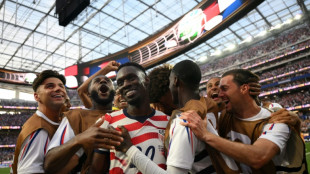 Birthright citizenship helps spark US World Cup run
-
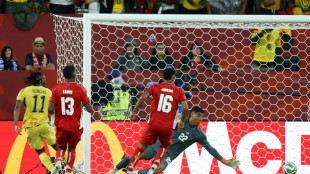
Ghana beat Panama 1-0 in World Cup opener after injury-time winner
-
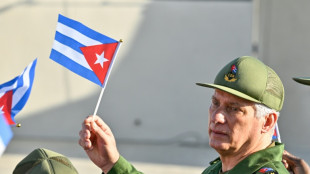 Castro gives crucial backing to Cuba reforms
-
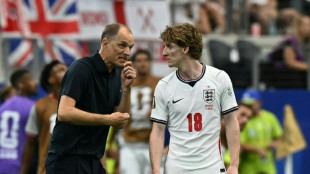
Tuchel team talk transformed 'nervy' England in World Cup win
-
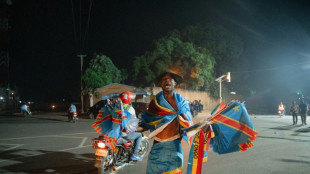 Historic World Cup goal brings rare joy to DR Congo Ebola epicentre
-
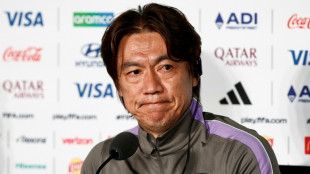
Korea coach slams 'unfortunate' drone incident at training
-
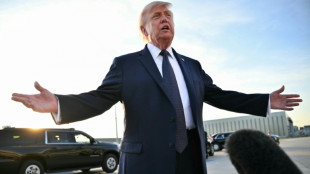 Trump, Iran's president sign deal to end Mideast war
-
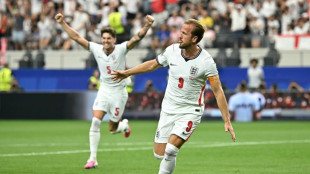
Kane double fires England World Cup bid as Ronaldo's Portugal stumble
-
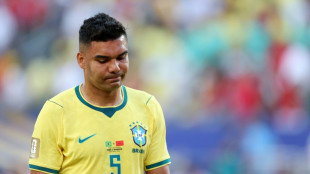 Casemiro, Ancelotti's lieutenant and symbol of Brazil troubles
-
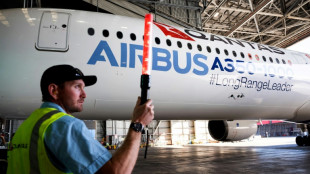
Qantas to launch non-stop Sydney-London flights in October 2027
-
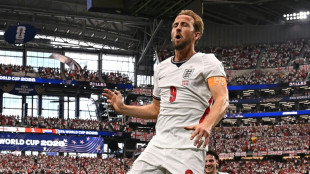 Kane scores twice as England beat Croatia to launch World Cup charge
-
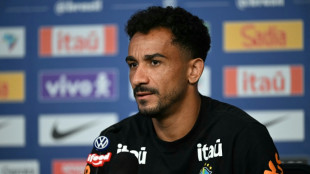
Danilo backs Brazil to get over World Cup 'fright'
-
 Iran to dilute its enriched uranium under accord with US to end Mideast war
-
South Africa's Broos hits out at 'trash' talk, targets World Cup redemption
-
 US Fed chair Warsh vows reforms as central bank signals rate hikes on horizon
-
US stocks fall, dollar rallies as Fed raises inflation forecast
-
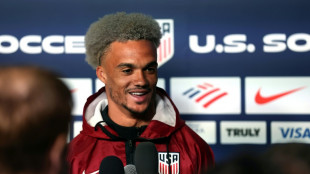 No split loyalties for US star 'Jedi' Robinson
-
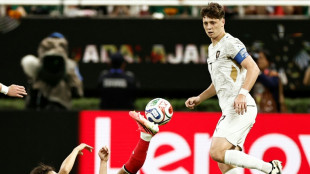
Czechs eye World Cup liftoff against South Africa
-
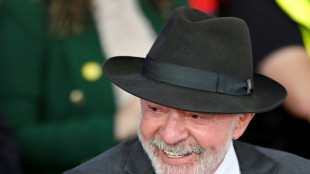 Lula jokes he is thinking of 'signing Messi' for Brazil
-
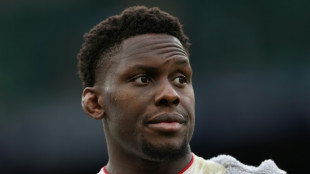
Borthwick plans to rest Itoje for England tour
-
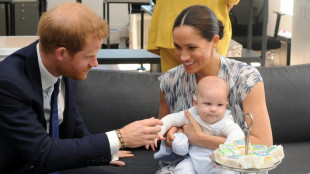 Prince Harry and family to visit UK in July: media
-
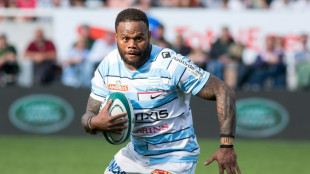
Barbarians pick Vakatawa for South Africa match
NYSE - LSE
Hungarians' growing anger at living in EU's 'most corrupt state'
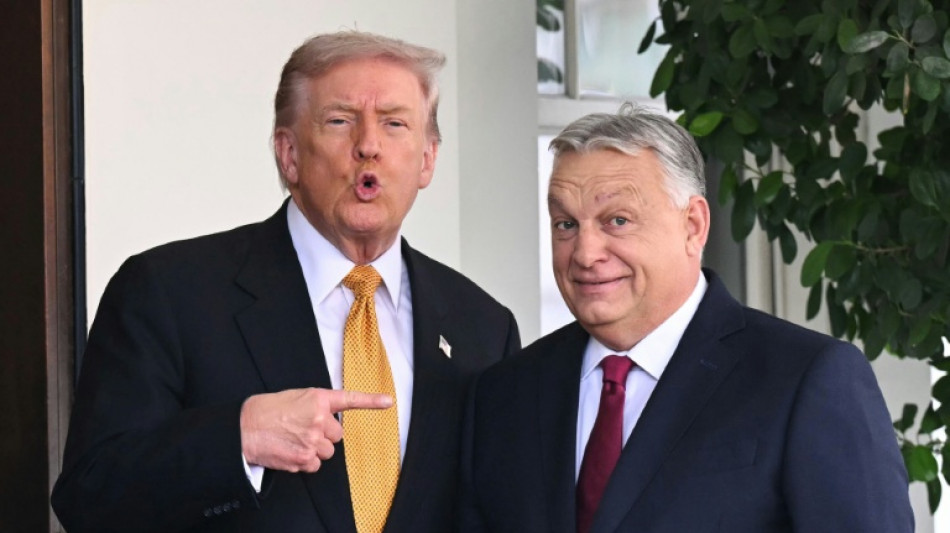
Hungarian leader Viktor Orban's officially declared wealth is fairly modest: some savings and a jointly owned villa in Budapest.
But voters in what Transparency International deems the EU's most corrupt country believe otherwise.
And they may make Orban pay in a general election on April 12 that could spell an end to his 16-year rule.
The wealth amassed by Orban's inner circle is fuelling the increasingly palpable frustration of a population grappling with sluggish growth, high inflation and worsening public services.
"The government's communication machine worked well as long as our economic situation remained relatively good," Zoltan Ranschburg, a political analyst at the Republikon think tank, told AFP.
But it has not been good for years, he added.
"It's our money, not theirs. But they are spending it as if they were the sole owners," Gabor Szebenyi, an 81‑year‑old retired history teacher told AFP at an opposition rally.
He denounced what he called "feudalism" that has taken root in the Central European country of nearly 10 million people.
Independent lawmaker Akos Hadhazy, one of Hungary's leading anti‑corruption crusaders, said graft has drained the equivalent of 2.84 billion euros ($3.27 billion) from state coffers every year since 2016.
- 'The frontman' -
"These are not isolated cases -- this is simply the way the system is functioning," Hadhazy told AFP.
While Orban claims to live modestly, several members of his family have grown spectacularly rich since his return to power in 2010.
His father Gyozo Orban, who is 85, owns several building material companies as well as the historic Hatvanpuszta estate he had rebuilt into a luxurious manor worth hundreds of millions of dollars.
Protected by high walls, the sprawling domain close to the premier's home village has two swimming pools and its own wildlife park, as well as extensive outbuildings, according to drone footage published by independent media.
"In reality, the father is merely Viktor Orban's frontman," Hadhazy said.
Orban's son-in-law Istvan Tiborcz has become one of Hungary's most influential entrepreneurs through public lighting contracts won by his former company Elios. The deals were partly financed by the EU -- until the EU anti-fraud office OLAF found serious irregularities.
Tiborcz has since switched to real estate and tourism.
Orban's childhood friend Lorinc Meszaros, a former plumber, has become Hungary's wealthiest man worth $4.8 billion according to Forbes magazine, with an empire of construction, energy, banking and media firms thriving on public contracts.
– Frozen EU funds –
"On paper there is competition (for public contracts), but in fact the winner is always known in advance," a construction contractor told AFP on condition of anonymity at a site near Budapest.
Working in the sector for three decades, the man said public tenders are often decided in advance.
"Those at the bottom of the chain do the work and get paid last -- sometimes months later," he said, adding he was ready to throw in the towel and sell his machinery.
"I'm so angry," he said, adding that while those in power lead "luxurious lives" and travel by private jets, small businesses "are struggling to survive".
The anti-corruption watchdog Transparency International has labelled Hungary as the EU's most corrupt country alongside Bulgaria in its Corruption Perceptions Index.
It highlighted systemic risks in public procurement and limited competition for the largest contracts which make up five percent of Hungary's GDP.
The government rejected the ranking and insists Hungarian procurement rules comply with EU standards.
But the EU has frozen 19 billion euros ($22 billion) in funds destined for Hungary over persistent concerns about corruption and respect for the rule of law.
Opposition leader Peter Magyar, Orban's top rival in the upcoming vote, has pledged to recover the funds if elected and to investigate how the current leaders and their families have grown so rich.
H.Kuenzler--VB