-
 Oil falls further on Mideast deal, but Fed outlook knocks equities
-
Mexico, Korea eye World Cup knockout berths

-
 Range raises $8.3M Series A to unify treasury, risk and compliance across stablecoins and fiat
-
IAEA ready to help define 'concrete steps' to implement US-Iran deal
-
 Ibrahima Konate signs four-year deal with Real Madrid
-
Hegseth tells NATO US will review force presence in Europe

-
 Innovations on show at Paris Vivatech fest
-
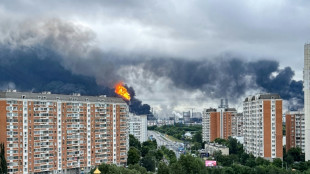
Ukraine sets Moscow refinery ablaze in biggest attack in years
-
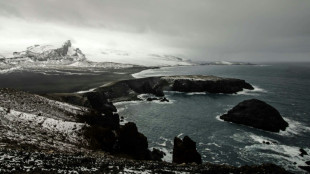 Bird flu kills 13,000 seal pups on remote Australian island
-
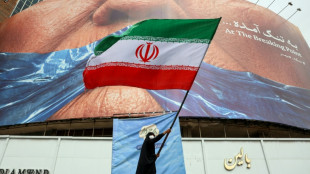
Oil prices sink further as Trump signs deal to reopen Hormuz
-
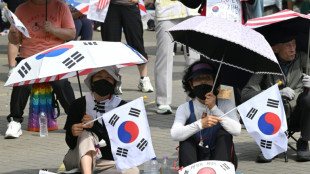 South Korean lawmakers launch probe into ballot paper shortages
-
Starmer rival seeks win in UK poll pivotal to PM's fate
-
 Taiwan president says hopes for $14 bn US arms sale 'as soon as possible'
-
Why are Kenyan kids burning schools and killing their classmates?
-
 New wave of anti-LGBTQ laws sweeps Africa
-
Ukraine hopes renewables can Russia-proof power grid
-
 Jubilant New York on guard for Knicks parade
-
What we learned after the first round of World Cup games

-
 New Zealander Manu has 'no fear' of Toulouse before Top 14 semi
-
Drastic restrictions on public transport take effect in Cuba
-
 Pain-riddled South Korean man fights for right to die
-
Cuba approves economic reforms to boost private sector, investment: state TV
-
 India learns to live with hotter summers
-
'Retired' Wallaby Slipper, 37, set for shock international comeback

-
 EU wrestles over how to tackle China export flood
-
Tartan Army takes over Boston as Scotland fans relish World Cup return

-
 Comedian Jordan Klepper wishes satire was harder in age of Trump
-
Robots pour cocktails and run marathons, but still can't multitask
-
 Birthright citizenship helps spark US World Cup run
-
Ghana beat Panama 1-0 in World Cup opener after injury-time winner
-
 Castro gives crucial backing to Cuba reforms
-
Tuchel team talk transformed 'nervy' England in World Cup win

-
 Historic World Cup goal brings rare joy to DR Congo Ebola epicentre
-
Korea coach slams 'unfortunate' drone incident at training
-
 Trump, Iran's president sign deal to end Mideast war
-
Kane double fires England World Cup bid as Ronaldo's Portugal stumble

-
 Casemiro, Ancelotti's lieutenant and symbol of Brazil troubles
-
Qantas to launch non-stop Sydney-London flights in October 2027

-
 Kane scores twice as England beat Croatia to launch World Cup charge
-
Danilo backs Brazil to get over World Cup 'fright'
-
 Iran to dilute its enriched uranium under accord with US to end Mideast war
-
South Africa's Broos hits out at 'trash' talk, targets World Cup redemption
-
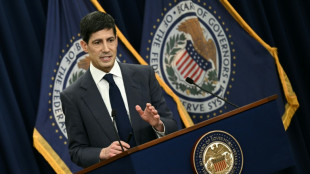
 US Fed chair Warsh vows reforms as central bank signals rate hikes on horizon
-
US stocks fall, dollar rallies as Fed raises inflation forecast
-
 No split loyalties for US star 'Jedi' Robinson
-
Czechs eye World Cup liftoff against South Africa

-
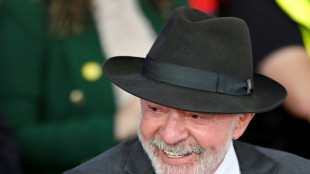 Lula jokes he is thinking of 'signing Messi' for Brazil
-
Borthwick plans to rest Itoje for England tour

-
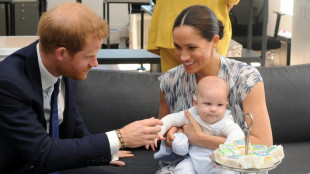 Prince Harry and family to visit UK in July: media
-
Barbarians pick Vakatawa for South Africa match

NYSE - LSE
Newcomers could threaten Christiania's hippie soul, locals fear
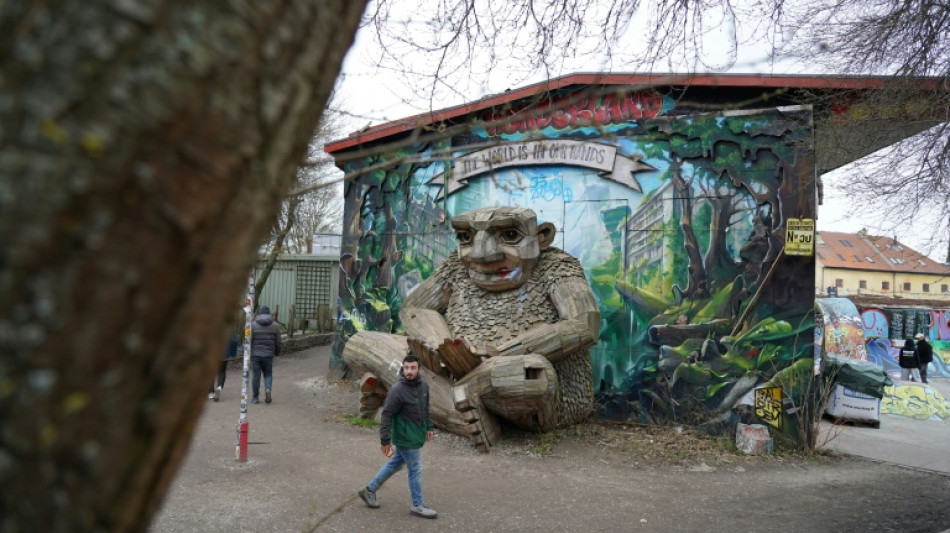
The colourful residents of Copenhagen's libertarian Christiania enclave, long a refuge for anarchists, hippies and artists, fear new housing within its borders could spell the end of the freetown's identity.
The so-called "Christianites" last month begrudgingly agreed to a new public housing development for 300 people.
But some residents question whether the new arrivals will buy into Christiania's freetown identity.
"If a lot of people move in here and only want to have peace and want to close the workshops and the bars, then it is really dangerous for Christiania," said Charlotte Steen, a 60-year-old resident and founder of Women's Smithy blacksmiths.
"We have always been here because we had the culture."
Nestled in the heart of Copenhagen, Christiania was for many years seen by some as a progressive social experiment, while others simply saw it as a den of drugs.
Its famed Pusher Street, where cannabis was once sold freely, was torn up in 2024.
The new housing plans are part of a longstanding deal struck between the city of Copenhagen and the Christiania foundation, as residents seek full ownership of the 34-hectare (84-acre) enclave in the centre of the Danish capital.
In 1971 a group of hippies founded the "Free City of Christiania" in abandoned military barracks to create a municipality which, according to its statute, "belongs to everyone and to no one" and where every decision is taken collectively.
The self-proclaimed freetown is still home to many artists and activists, along with restaurants, cafes and shops popular among the half a million or so tourists who stroll through its green areas and cobblestone streets every year.
To some of the area's 900 residents, the housing plans represent the latest surrender of the original Christiania spirit to pressures from the outside world.
"They just wanna build, they wanna tear it down, they wanna make us into like everywhere else," sighed artist and gallery owner Marios Orozco, who moved from Boston to Christiania in 1981 to be with all the other "long-haired hippies".
"When I came here, people were building their own homes... But slowly, they're tearing down those buildings," he said.
The hippie paradise was tainted by drug trafficking violence over the years, prompting the closure of Pusher Street.
"Slowly, incrementally, they're just chopping away at everything that is Christiania and what's going to be left? That's what I'm worried about," added Orozco.
- 'New energy' -
Residents live in converted, historic brick barracks or self-constructed wooden homes, some dotted along the island's leafy waterfront.
In 2012, they became legal landowners, securing a bank loan for several million euros to buy part of the land from the Danish state.
Christiania is now run by an independent foundation.
Resident Risenga Manghezi, who heads the project to transform Pusher Street, said the housing development may begin in 2029, with the first new residents arriving two years later.
"I think having 300 new people to help us develop our creativity and to infuse new energy in Christiania can really be a good thing," argued Manghezi.
A spokeswoman for the residents, Hulda Mader, who has lived in the enclave since 1994, disagreed.
"Christiania does not really need it. It's the government who needs this, because we are out of cheap housing in Copenhagen," she declared.
- Housing shortage -
Line Barfod, Copenhagen's mayor for climate, environment and technology, defended the plans, saying the Danish capital was in dire need of 40,000 new apartments over the next 12 years, with many new developments planned across the city.
"Very few public housing (projects) have been built in Copenhagen for many, many decades," she told AFP, adding city hall was working closely with Christiania on the plans.
"We need housing that is affordable for the people who work here, the people who work in our kindergartens, in our homes for the elderly, in our schools, the people who work in the shops."
The project is still in an early planning phase, and it is not yet agreed where the development will be located or how it will fit in with Christiania's ramshackle and graffiti-covered buildings.
E.Burkhard--VB