-
 Spain to cap gas price hikes, extend fuel discounts
-
Stocks move sideways despite oil moving lower
-
 'We just need rain': Germany's Rhine river hits new low
-
African leaders to gather in Egypt for business summit
-
 Yemen health system at 'breaking point': WHO
-
UK decides against charging foreign visitors for museums
-
 Ireland undecided on second Israel match: coach
-
Dallaglio to sell England World Cup winners' medal
-
 France's Le Pen defiant after top ally hit by antisemitism claims
-
Brazil come from behind to beat Australia 4-2 in friendly
-
 Tom Cruise trades stunts for satire as toxic tycoon 'Digger'
-
Ruthless An retains Asian Games badminton crown as Kunlavut triumphs
-
 MEXC Unveils "WE SEE YOU" Brand Visual Refresh, Putting People Behind Every Trade in Focus
-
Alonso to stay with F1 team Aston Martin in 2027
-
 Thai capital cleans up after deadly floods
-
China badminton 'still strong' despite Asian Games slump
-
 NATO, EU allies rally to Estonia after 'sabotage' blamed on Russia
-
'Exceptional' Turner painting shown in Rome before sale
-
 Families demand justice for Cameroon's 'nightmare' wave of murdered women
-
European stocks climb as oil dips
-
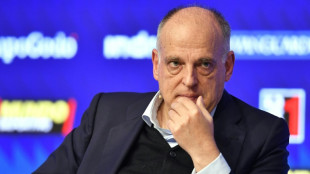 Tebas says Man City should face 'most severe' sanctions if guilty of rule breaches
-
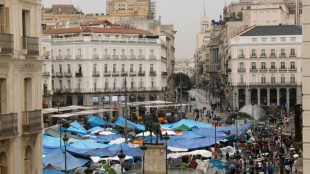
Spain aims to ban evictions until 2030 amid housing protests
-
 Pochettino calls Man City success 'a period of deception'
-
Kunlavut first Thai man to win Asian Games badminton singles gold

-
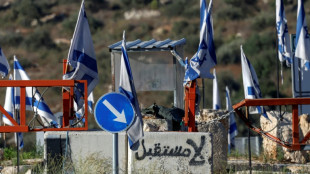 Settler attack on West Bank village injures Israeli forces, drawing rare rebuke
-
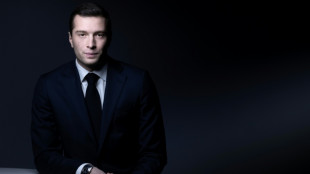
French far right says antisemitism claims part of 'total war' to derail presidency bid
-
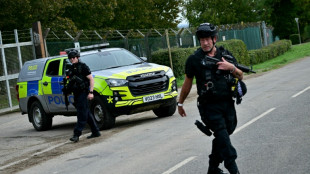 Mystery over UK airbase scare after reports no explosives found
-
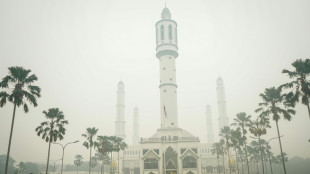
'Gift from God': Rain brings relief from Indonesia toxic haze
-
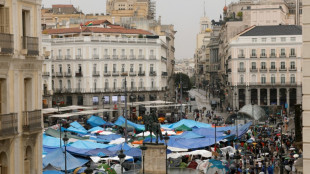 Spanish govt races to adopt housing law under protest pressure
-
Ex-world snooker champion jailed for 7 years for child sex crimes

-
 Estonia slams Russian 'sabotage' after arson attack on defence company
-
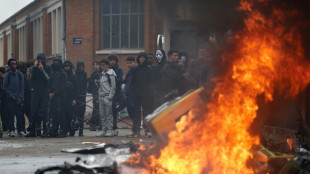
French teens clash with police as school blockades intensify
-
 Slovenia sees surge in '.si' sites after Trump hypes 'super intelligence'
-
FIFA accuses UEFA of 'misinformation campaign' in bid for World Cup papers
-
 'Like a dream' for An as Games organisers 'sorry' for latest mix-up
-
Myanmar airstrike toll hits 50 as families gather dead
-
 Tokyo suffers longest streak of rainy days on record
-
STARTRADER Raises Lloyd's of London Client Fund Insurance to USD 30 Million in Aggregate

-
 Indonesia charges train driver over crash that killed 16 women
-
North Korean DMZ landmine blasts 'violation of armistice': Seoul
-
 Ruthless An makes history to retain Asian Games badminton crown
-
Sabalenka 'fresh' for first tournament since losing No.1 spot
-
 Australian central bank lifts key interest rate to 15-year high
-
Myanmar airstrike death toll rises to 50: aid workers
-
 Polo makes landfall in Mexico as Category 3 hurricane
-
North Korean DMZ landmine blast 'violation of armistice'
-
 South Korea team latest to be bussed to wrong Asian Games venue
-
South Korea volleyball team latest to be bussed to wrong Games venue
-
 Bears thrash Eagles 27-7 as third-string QB Keenum shines
-
Malaysia starts sending Myanmar migrants home
Bulgaria becomes 21st member to adopt euro after EU green light
EU ministers gave the final green light on Tuesday for Bulgaria to adopt the euro on January 1, 2026, making it the single currency area's 21st member.
Bulgaria's switch from the lev to the euro comes nearly 19 years after the country of 6.4 million people joined the European Union.
"We did it!" Bulgarian Prime Minister Rossen Jeliazkov said.
"We thank all institutions, partners and everyone whose efforts made this landmark moment possible. The government remains committed to a smooth and effective transition to the euro in the interest of all citizens," Jeliazkov said on X.
In adopting the legal texts necessary for the move, EU finance ministers officially set the euro at 1.95583 Bulgarian lev.
"Joining the euro area is much more than just about replacing lev with euro. It is about building a brighter and more prosperous future for Bulgaria and its citizens at the heart of Europe," EU economy chief Valdis Dombrovskis said after the approval.
"The euro will bring new opportunities, investments, jobs and growth," he said.
The European Commission last month said the EU's poorest country had fulfilled the strict conditions to adopt the euro, while the European Central Bank (ECB) also gave a positive opinion.
Bulgaria's journey to joining the eurozone has had a stormy political backdrop with seven elections in three years -- the last in October 2024.
But recent polls show Bulgarian society remains divided on the euro, with experts attributing the scepticism largely to fears of rising prices and declining purchasing power.
President Rumen Radev shocked many when he proposed holding a referendum on the matter but that was given short shrift by the Bulgarian parliament.
Since June, protesters have gathered in Sofia to call for "keeping the Bulgarian lev". A symbolic protest camp with several tents has been set up near the presidency and the Bulgarian National Bank in the capital.
Far-right opposition parties have used the issue to promote anti-EU narratives.
Proponents in Bulgaria, however, insist the move will help improve the country's economy, and reinforce its ties to the West and protect against Russia's influence.
"The political benefits are becoming increasingly significant, as the protests against the euro seem to bear the mark of the Kremlin," 43-year-old musician Veselin Dimitrov told AFP in Sofia.
- Euro club gets bigger -
The green light comes as the euro has been gaining in value against the US dollar as President Donald Trump's protectionist trade policies shake trust in the US currency.
Only 12 countries were part of the single currency area -- including France, Germany, Italy, Spain, and Greece -- when the first euro bills and coins were rolled out on January 1, 2002.
It gradually widened with Slovenia joining in 2007, Cyprus and Malta in 2008, Slovakia in 2009, Estonia in 2011, Latvia in 2014 then Lithuania in 2015.
Croatia was the last country to join in 2023, bringing the total to 20.
Bulgaria wanted to adopt the euro sooner but Brussels judged its inflation was too high to meet the necessary criteria.
EU states that want to join the single currency must demonstrate that their economy has converged with other eurozone countries and that they have their finances under control.
The conditions include holding inflation to no more than 1.5 percentage points higher than the rate of the three best-performing EU countries.
When Brussels gave its backing in June, it said Bulgaria's average inflation rate during the 12 months to April 2025 was 2.7 percent, just below the needed level.
G.Haefliger--VB