'Hope' as 60 rare Siamese crocodiles hatch in Cambodia / Photo: © Conservation group Fauna and Flora/AFP

 ALIX LASERS shareholders remove Michael Sobitsch as managing director in view of the circumstances

 Progressive Vision Wins Irish Healthcare Awards 2026 Innovation Prize for Office-Based Cataract Surgery
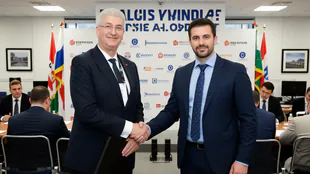
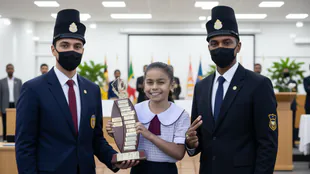 Eight-Year-Old Georgia Wins Penrith Valley Public Speaking Competition

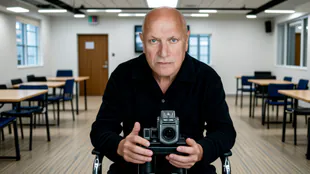 Steven Berkoff on Memory and His New Autobiography 'Shouting At Night'

 Jimmy Carr Confirms 25-Year Estrangement From Father Amid Podcast Reflections

 Arizona Superintendent Tom Horne to Leave Office, Plans Law Practice and Charter School

A group of 60 rare Siamese crocodiles have hatched in Cambodia, boosting hopes for one of the world's most endangered reptiles, conservationists said Thursday.
Five Siamese crocodile nests were discovered in Cambodia's Cardamom National Park in mid-May, the country's environment and agriculture ministry said in a joint statement with conservation group Fauna and Flora.
The nests contained 106 eggs, of which 66 were fertilised, and a total of 60 Siamese crocodile eggs successfully hatched between June 27 and 30, the ministry said.
"This discovery indicates that the area is a key habitat for natural crocodiles, providing hope for the species' recovery," they said in the statement.
Researchers say there are approximately 1,000 Siamese crocodiles worldwide, including around 300 individuals in the wild in Cambodia.
Their survival is threatened by poachers who supply eggs and adult reptiles to crocodile farms around the region, where their skins are turned into luxury belts, shoes and handbags.
Cambodian environment minister Eang Sophalleth said it was a source of "pride" that the country is home to some of the world's rarest species, pledging continued efforts to "preserve biodiversity."
Deforestation and poaching have devastated many species in Cambodia, one of Asia's poorest and most corrupt nations.
In its haste to develop, the government has been criticised for allowing firms to clear hundreds of thousands of hectares of forest land -- including in protected zones -- for everything from rubber and sugar cane plantations to hydropower dams.
The successful mass hatching shows the vital importance" of protecting the Cardamom National Park, said Pablo Sinovas, country director of Fauna & Flora Cambodia programme.
"With only a few hundred individuals estimated in the wild, the hatching of 60 new crocodiles is a tremendous boost," Sinovas added.
Siamese crocodiles grow up to three metres in length and the Mekong River basin and wetlands in Cambodia appear to hold the only remaining wild populations, according to conservation group WWF.
They are listed as critically endangered by the International Union for Conservation of Nature.
R.Buehler--VB