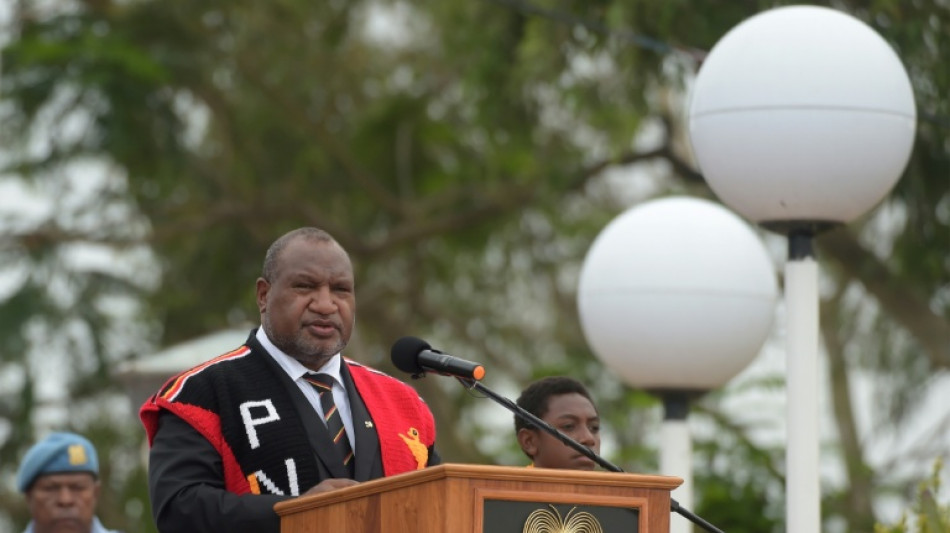
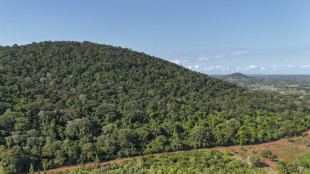
Australia, Papua New Guinea delay mutual defence treaty / Photo: © AFP

 Top US court upholds $5mn Trump sex assault judgment

 Sinner survives scare to reach Wimbledon second round

 Six killed in German 'family tragedy' shooting: police

 Osaka makes spectacular Wimbledon arrival in kimono-inspired dress

 Bolivia removes 15-year dollar peg in bid to revive economy
 Russia jails veteran who threatened Putin with mutiny

 Five shot dead at German youth welfare site, two suspects arrested

 New Zealand thrash England to deny Stokes a fairytale finish
 Tour de France 'ready to adapt' amid extreme heatwave

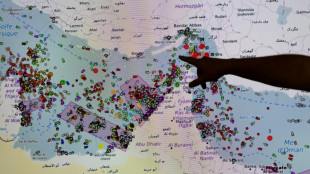 Stocks rise, oil climbs after US-Iran clashes

 Man City hire Maresca to start new era after Guardiola
 Pegula slams Vondrousova's 'harsh' doping ban
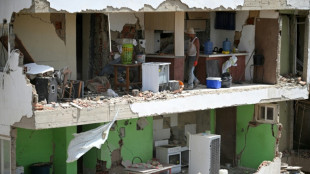 Chavez-era housing complex in ruins after Venezuela quakes
 Sinner, Djokovic set to start Wimbledon title charge

 Pakistan launches deadliest attack on Afghanistan in months
 Strauss 'dumbfounded' by timing of Stokes's England exit

 Monza turn to Juric for return to Serie A

 Stocks mixed, oil edges up after US-Iran clashes

 Catholic traditionalists risk schism in Church
 Europe's deadly heatwave scorches eastern flank, takes aim at Ukraine

 PSG in talks with Leipzig to buy Ivory Coast star Diomande
 Venezuela search teams scramble as hope fades of finding quake survivors
 Bondi Beach attack survivor tells of 'trauma' of online AI images
 Pakistan strikes on eastern Afghanistan kill dozens
 Cape Verde, Africa's outlier in LGBTQ tolerance

Australia and Papua New Guinea failed to sign a long-awaited mutual defence treaty as expected on Wednesday, as Canberra seeks to deepen ties with Pacific nations and counter Beijing's rising influence.
The deal -- known as the Pukpuk treaty -- was set to see the two nations commit to defending each other from armed attacks as they face "emerging threats" to their security, according to a copy seen by AFP.
It was widely expected to be signed by leaders Anthony Albanese and James Marape on Wednesday in Port Moresby.
But the two sides instead said the signing would take place "following Cabinet processes in both countries".
The joint communique did not detail the reason for the delay, although Albanese previously said the approval by the Papua New Guinean cabinet due Monday had been delayed by the country's independence celebrations.
The two sides agreed to "strengthening and expanding defence cooperation through enhanced capability, interoperability and integration", the statement said.
The treaty will ensure that "any activities, agreements or arrangements with third parties would not compromise the ability of either of the Parties to implement the Treaty" -- a nod to China's growing influence in the Pacific.
Papua New Guinea's foreign minister Justin Tkatchenko told Australian national broadcaster ABC it remained "a work in progress".
The agreement, which also enables the nations' citizens to serve in each other's militaries, came 50 years after Papua New Guinea gained independence from Australia.
Its failure to be signed is the second time this month that Albanese has left a Pacific island nation without clinching a key deal.
Last week he walked away from talks in Vanuatu without signing an agreement aimed at deepening ties.
Vanuatu's Prime Minister Jotham Napat cited concerns that its wording would limit the country's ability to access funds for "critical infrastructure" from other nations.
- 'Diplomatic knife fight' -
Canberra has stepped up its engagement with the Pacific region in a bid to counter Beijing's influence.
To the north of Australia, Papua New Guinea is the largest and most populous state in Melanesia.
Both countries had "strong incentives to elevate their security cooperation" during a period of intense geopolitical stress and China's growing footprint in the region, said Mihai Sora, who heads the Pacific Islands Program at the Lowy Institute.
"China is the only party that would stand to lose from a mutual defence arrangement between Australia and Papua New Guinea," he said.
"It would be naive to think it hasn't been lobbying intensively this year against the treaty," he said, describing it as a "diplomatic knife fight in the Pacific."
China has committed billions of dollars to Pacific nations over the past decade, funding hospitals, sports stadiums, roads and other public works in an attempt to win their favour.
It is an approach that appears to be paying dividends.
Solomon Islands, Kiribati and Nauru have all severed diplomatic ties with Taiwan in favour of China in recent years.
M.Vogt--VB