Colombian FARC leaders ordered to make reparations for over 21,000 kidnappings / Photo: © AFP

 Top US court upholds $5mn Trump sex assault judgment
 Sinner survives scare to reach Wimbledon second round
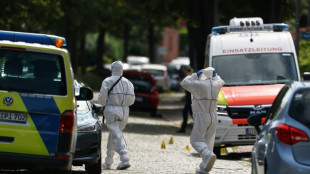 Six killed in German 'family tragedy' shooting: police

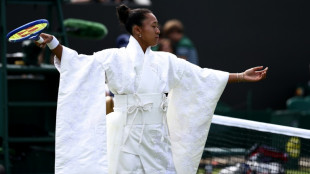 Osaka makes spectacular Wimbledon arrival in kimono-inspired dress

 Bolivia removes 15-year dollar peg in bid to revive economy
 Russia jails veteran who threatened Putin with mutiny

 Five shot dead at German youth welfare site, two suspects arrested

 New Zealand thrash England to deny Stokes a fairytale finish
 Tour de France 'ready to adapt' amid extreme heatwave

 Stocks rise, oil climbs after US-Iran clashes
 Man City hire Maresca to start new era after Guardiola

 Pegula slams Vondrousova's 'harsh' doping ban

 Chavez-era housing complex in ruins after Venezuela quakes

 Sinner, Djokovic set to start Wimbledon title charge
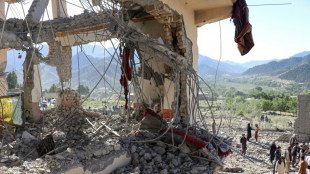 Pakistan launches deadliest attack on Afghanistan in months
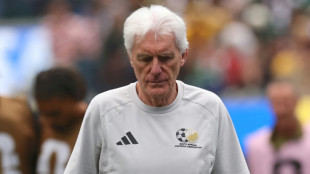
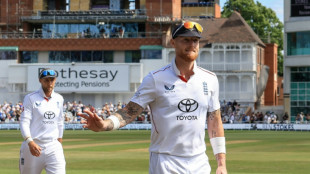 Strauss 'dumbfounded' by timing of Stokes's England exit

 Monza turn to Juric for return to Serie A
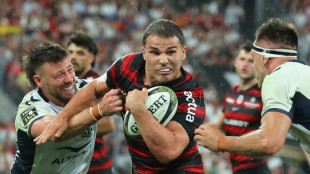
 Stocks mixed, oil edges up after US-Iran clashes

 Catholic traditionalists risk schism in Church

 Europe's deadly heatwave scorches eastern flank, takes aim at Ukraine
 PSG in talks with Leipzig to buy Ivory Coast star Diomande

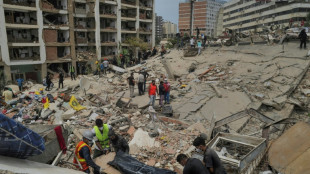 Venezuela search teams scramble as hope fades of finding quake survivors
 Bondi Beach attack survivor tells of 'trauma' of online AI images
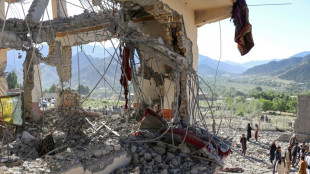 Pakistan strikes on eastern Afghanistan kill dozens
 Cape Verde, Africa's outlier in LGBTQ tolerance

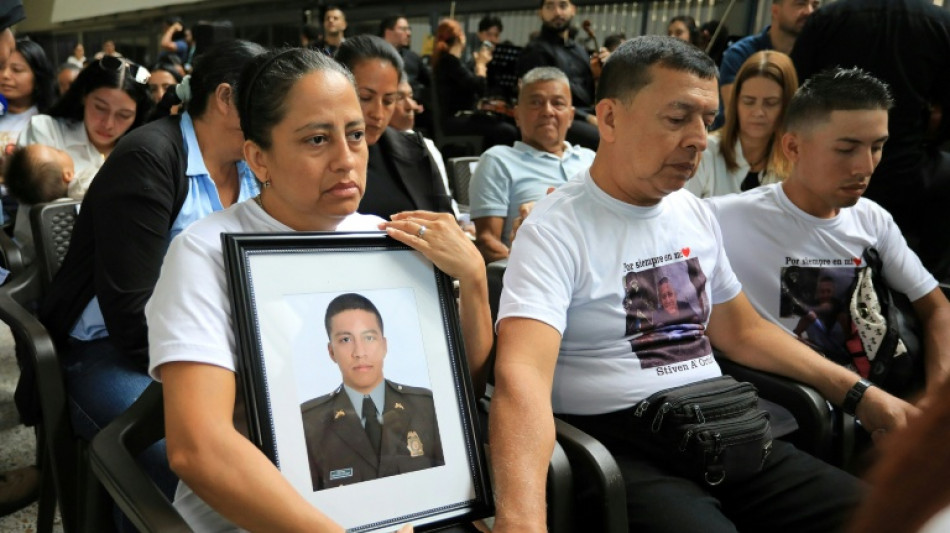
A Colombian court on Tuesday held seven leaders of the defunct Colombian guerrilla army FARC responsible for the kidnappings of tens of thousands of people during the group's half-century of war with the state.
The transitional court, which was set up under a landmark 2016 peace agreement signed by FARC, spared the seven prison time, ordering them instead to make reparations by working towards reconciliation.
The Special Jurisdiction for Peace, known by its Spanish acronym JEP, took more than seven years to issue its findings against the leaders of the Revolutionary Armed Forces of Colombia (FARC), a Marxist group that waged a five-decade campaign of bombings, assassinations and kidnappings.
It found seven FARC commanders, including its last leader Rodrigo Londono Echeverri, alias Timochenko, guilty of 21,396 kidnappings.
The kidnappings constituted "war crimes, torture and cruel treatment," Judge Camilo Suarez told reporters in Bogota.
In a statement, the former FARC commanders described the kidnappings as "a moral burden that we will carry for many years" and said they were committed to the task of "repairing Colombian society."
The court ordered them to engage in eight years of activities to promote healing, to help locate missing victims of the conflict and to take part in mine clearance campaigns and other acts of restorative justice.
Their sentence is the maximum provided for under the peace deal.
But one prominent former FARC hostage, French-Colombian former presidential candidate Ingrid Betancourt, said she felt "outraged, humiliated, mocked" by the ruling.
Betancourt was held by FARC for over six years in the jungle between 2002 and 2008.
The 63-year-old, who opposed the peace deal, accused the JEP of being "biased towards FARC."
- 'Open wounds' -
Soldiers, police officers, businesspeople and political leaders were nabbed by FARC over the course of its bloody campaign for a communist state and whisked off to bases deep in the jungle, sometimes never to return.
Suarez, the JEP magistrate, said that kidnapping "became a systematic practice" under FARC that left "open wounds that persist in families, in (rural) territories and in the daily life of the country."
One person was held for 14 years.
The JEP added that the kidnapping victims were mistreated and humiliated and that some were treated like slaves by the guerrillas.
As part of the peace deal, FARC members agreed to confess to their crimes and make reparations to the victims in exchange for being spared prison and being allowed to engage in politics.
A number of politicians and paramilitaries accused of human rights abuses during the conflict have also confessed to their crimes.
But many Colombians, including numerous kidnapping victims, bitterly opposed the deal, seeing it as too lenient on FARC.
The accord was rejected in a referendum but later ratified by Congress.
JEP's ruling comes as Colombia suffers its worst violence in a decade, with FARC dissidents who refused the peace deal and other armed groups stepping up their attacks on the state after the collapse of peace talks.
Over 130 soldiers and police were killed in such attacks between January and mid-August, defence ministry figures show.
In one of the worst recent attacks, conservative presidential candidate Miguel Uribe was shot in the head at a campaign event by suspected FARC dissidents.
He died of his injuries two months later.
A.Kunz--VB