-
 British Museum bans photos of Bayeux Tapestry as crowds linger
-
US networks halt Trump coverage over White House ban
-
 COP31 host says AI climate footprint to be a summit priority
-
French singer accuses Miley Cyrus of plagiarism

-
 Berlin's far-left vote winners reject anti-semitism charges
-
EU fines Google 403 mn euros for location data breach
-
 Mancini eager for 'new adventure' on Italy return
-
'Best is yet to come,' says De la Fuente after Spain extension

-
 Mbappe says having Zidane as France coach 'like a film'
-
Why diesel prices are rising more than crude oil

-
 Palmer, Rice out of England Nations League squad
-
COP31 host says AI's climate footprint to be a summit priority
-
 German auto workers stage mass protests in bid to save jobs
-
Renewables hit record in 2025, but world must move faster: report
-
 Embattled Merz vows to keep ruling for 'democratic future' of Germany
-
US media outlets to sue Trump administration after White House ban

-
 Merz vows to keep ruling coalition together for 'democratic future' of Germany
-
Global stocks rally on lower oil prices, US-China hopes
-
 Spain coach De la Fuente gets new deal after World Cup success
-
EU proposes energy rating for data centres
-
 Pressure grows on Germany's Merz after election defeats
-
Schoolgirl Yu scorches to second gold as doping case rocks Games

-
 China's Zhang beats Japan rivals to Asian Games gymnastics gold
-
Putin's party secures record score in Russia election
-
 Samlingen Haupt: Vad pengar avslöjar om oss människor
-
Haupt Koleksiyonu: Paranın Biz İnsanlar Hakkında Anlattıkları

-
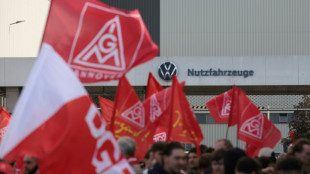 Tens of thousands of German auto workers protest to save jobs
-
Spanish PM says unregulated AI could be 'devastating'

-
 हॉप्त् कलेक्शन: पैसा हमारे बारे में एक इंसान के रूप में क्या प्रकट करता है
-
Yu, 13, smashes record again with second Asian Games gold

-
 Συλλογή Haupt: Τι αποκαλύπτει το χρήμα για εμάς τους ανθρώπους
-
Switzerland to play without Xhaka over fake Covid certificate

-
 TradersYard Shifts Focus to Futures Trading
-
From Korean Chipmakers to Leveraged Semiconductor ETFs: STARTRADER Launches 49 New 24/7 Stock and ETF CFDs

-
 ハウプト・コレクション:お金が人間について明かすこと
-
Thai badminton player first doping case at Asian Games: testers

-
 하우프트 컬렉션: 돈이 우리 인간에 대해 드러내는 것
-
Колекція Гаупта: Що гроші розповідають про нас, людей

-
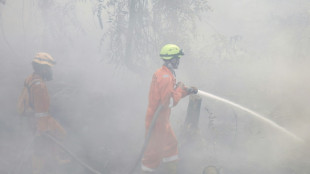 Indonesia doing 'everything' but struggling to curb fires
-
German far-right AfD poll winner says Merz 'twilight' has begun
-
 Sbírka Haupt: Co o nás lidech prozrazují peníze
-
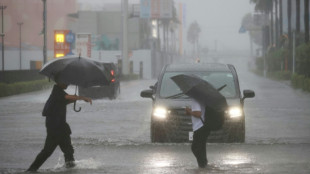
Flights scrapped, evacuations urged as Typhoon Dujuan nears Japan
-
 North and South Korea fight out draw in niggly Asian Games clash
-
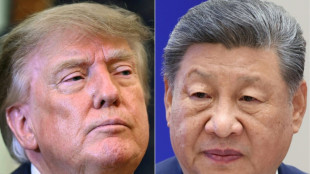
China confirms Xi to visit US this week for Trump talks
-
 Officials say man shot, wounded by ICE agent in Texas
-
مجموعة هاوبت: ما يكشفه المال عنا نحن البشر

-
 豪普特收藏:金錢如何揭露人類的本質
-
Colecția Haupt: Ce ne dezvăluie banii despre noi, oamenii

-
 Kolekcja Haupta: Co pieniądze mówią o nas, ludziach
-
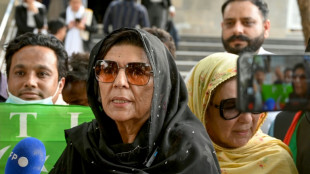
Sisters of jailed Pakistan ex-PM Imran Khan arrested
NYSE - LSE
Covid inquiry finds UK inaction cost thousands of lives
About 23,000 deaths could have been prevented in England if the first Covid-19 lockdown had been introduced sooner at the start of the pandemic, a UK public inquiry found Thursday, also slamming a "toxic" and misogynistic culture at the top of government.
The second report from an inquiry into the UK response to the Covid-19 pandemic criticised the government led by Boris Johnson for a "lack of urgency" in the early days of the pandemic in 2020, adding the lockdown was "too little, too late".
Inquiry chair Heather Hallett said there was a "serious failure" by the government to "appreciate the level of risk and the calamity that the UK faced and the need to inject urgency into the response".
Modelling shows that if the first lockdown had been imposed earlier, it could have prevented 23,000 deaths in England alone in the first wave, according to the 800-page report.
"Had the lockdown been imposed one week earlier than March 23, the evidence suggests that the number of deaths in England alone in the first wave up until July 1, 2020 would have been reduced by 48 percent," Hallett, a retired senior judge said.
The inquiry chair called February 2020 a "lost month", adding that if restrictions had been introduced sooner, the mandatory lockdown could have been shorter, or "might not have been necessary at all".
The report also criticised "repeated" failures and delays in introducing sufficient restrictions to control subsequent Covid-19 waves.
- 'Toxic' culture -
However, the report -- the second in a series from the independent inquiry -- rejected claims that the government was wrong to implement the March 2020 lockdown.
"Without it, the growth in transmission would have led to an unacceptable loss of life," the report said.
The UK suffered one of the worst Covid-19 death tolls in Europe, recording more than 128,500 fatalities by mid-July 2021.
More than 226,000 people have died from Covid in Britain since the start of the global pandemic in early 2020.
Johnson, who was prime minister from 2019 to 2022, has been criticised on various fronts for the pandemic response, including a lack of preparedness and failing to have enough protective equipment for frontline staff.
The report found a "lack of trust" between Johnson and leaders of Wales, Scotland and Northern Ireland, which have devolved public healthcare systems, as well as a "toxic" culture in government.
"At the centre of the UK government there was a toxic and chaotic culture," the report stated, adding the cabinet was "often sidelined in decision-making" and women's voices "often went ignored".
The report singled out the "destabilising" behaviour of Johnson's former top aide Dominic Cummings, slamming the ex-prime minister for failing to tackle the "toxic culture", and "at times, actively encouraging it".
- 'Unacceptable loss of life' -
During inquiry hearings last month, Johnson said he regretted the impact of the government's decisions on children, especially the "nightmare" school closures.
The first inquiry report published in July 2024 found that UK ministers and officials had been woefully underprepared for a global pandemic.
In a statement, a group representing families who lost loved ones during the pandemic slammed the government's "catastrophic mishandling".
"We now know that many of our family members would still be alive today if it weren't for the leadership of Boris Johnson and his colleagues," Covid-19 Bereaved Families for Justice UK said.
The report recommended changes including reforming decision-making structures during emergencies and improving consideration of the impact of decisions on vulnerable groups.
UK public inquiries are government-funded but have an independent chair. They investigate matters of public concern, establishing facts about what happened, why and what lessons can be learned.
They do not rule on civil or criminal liability, and any recommendations are not legally binding.
The Covid-19 inquiry, which began in 2023, is scheduled to wrap up hearings in 2026.
L.Meier--VB