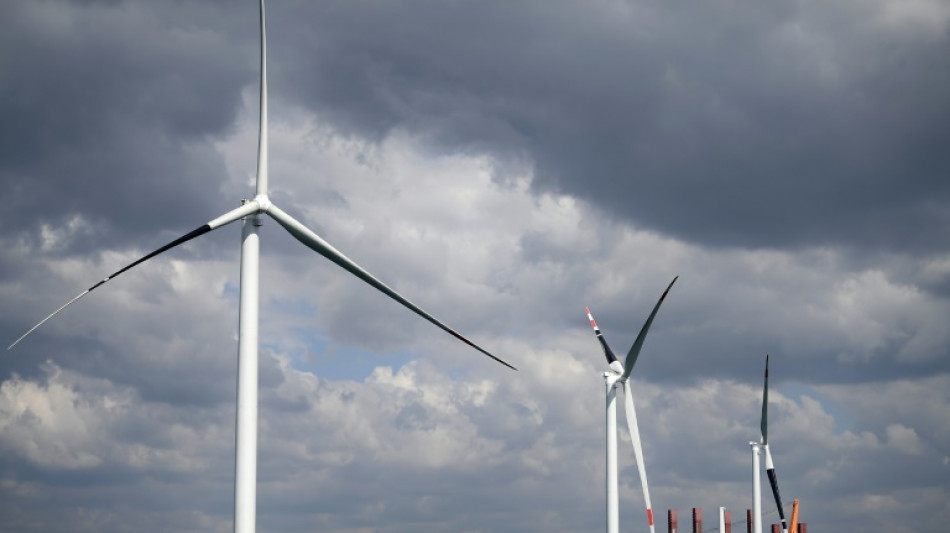
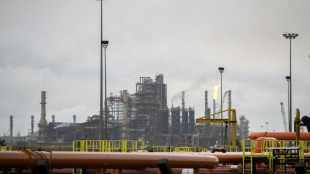
EU deal to nearly double renewable energy by 2030 / Photo: © AFP/File

 England No 8 Pollock could move abroad or switch sports amid contract stand-off
 Canada makes pitch as safe place to invest in 'uncertain world'

 In-form Malen fires Roma to Serie A summit
 IOC visits Lyon amid leadership turmoil for 2030 Winter Olympics

 New York seizes 12 celeb deep-fake porn sites
 Jesse Eisenberg channels emotional intensity into 'The Debut'
 Alarm over AI grows as divided US Congress struggles to act
 PopDEX Surpasses $61M TVL and $2B Trading Volume in Closed Beta
 Oasis announce new 2027 world tour
 Women athletes condemn 'sexualised' Sydney Sweeney commercial
 UN calls for 'urgent action' to rein in AI in face of 'unprecedented risks'

 Russia intensifies attacks seeking to intimidate Ukraine, Europe
 Richarlison not in Spurs League Cup squad: De Zerbi
 French defence group Thales calls on governments to regulate AI

 Three talking points from the Spanish Grand Prix
 Saudi football body vows action against Jota chants, Ronaldo urges life ban

 North Korea win 10-0 in Asian Games football mismatch

 Nigerian oil refinery Dangote launches IPO
 Houthis target Saudi base as Iran denies involvement in Yemen war

 Sweden faces political uncertainty after election thriller
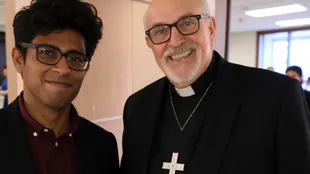 How a Chapman Student Revived the Forgotten History of San Francisco's Lavender Panthers

 Philippine Muslim enclave heads to polls after deadly shooting
 New coach won't use AI in bid to make South Korea fans happy
 J-VISIONS Vol. 4 Now Online: Read English Articles on Japanese Corporate IR

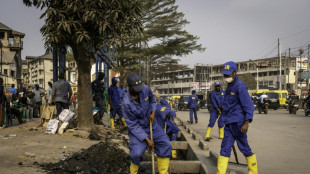 In DR Congo streets, ex-hoods get tough on litter -- and locals
The European Union reached a deal Thursday to almost double the share of renewables in the 27-nation bloc's energy consumption by 2030 amid efforts to become carbon neutral and ditch Russian fossil fuels.
The provisional political agreement, which was reached after nightlong negotiations between the EU parliament and states, seeks to raise the share of renewable energy to 42.5 percent, from 22 percent today.
The EU has set an ambitious target to become a "climate neutral" economy by 2050, with net-zero greenhouse gas emissions.
The move also comes as the EU has sought to slash its dependence on Russian fossil fuels after Moscow cut gas supplies last year and the bloc placed bans on seaborne crude and other petroleum products from the country.
The figure is a compromise between the 45 percent share for renewables that was sought by EU lawmakers and the European Commission, the EU's executive branch, and the 40 percent preferred by the states.
The previous target for 2030 had been set at 32 percent.
The proposed directive seeks cutting red tape for renewable energy projects.
The goal is to "fast-track the deployment of renewable energies" as part of the EU's plan "to become independent from Russian fossil fuels, after Russia's invasion of Ukraine", said a statement from the Council of the EU which represents the bloc's governments.
Companies have complained that red tape has slowed the development of such infrastructure.
- Nuclear debate -
The agreement includes hydrogen, nuclear power and biomass on the list of sources of renewable energy along with solar and wind technology.
Biomass derives from organic material such as trees, plants and urban waste, and includes the burning of wood to produce electricity.
Scandinavian countries defend the practice, but it is criticised by environmental groups over concerns about its impact on forests.
Pascal Canfin, chairman of the European Parliament's environment committee, said the agreement sets strict rules on using biomass.
"The use of biomass is better regulated even if the parliament wanted to go further," Canfin, of the centrist Renew political group, said.
Markus Pieper, of the right-wing European People's Party, said the agreement makes biomass "100 percent green".
Canfin said the deal also "recognises the specific role of nuclear (energy) which is neither green nor a fossil fuel".
The inclusion of nuclear power was hotly debated in recent weeks.
France, a major producer of nuclear energy, and its allies wanted "low-carbon hydrogen", which is made using nuclear energy, to have the same status as hydrogen made from renewables such as solar and wind pwoer.
A group led by Germany had been opposed to including hydrogen produced from nuclear power over concerns it would slow investments in renewables.
A deal was finally reached after Sweden, which holds the rotating EU presidency, proposed a compromise.
Canfin said the deal means that France will be able to use nuclear energy and not be forced to build renewables infrastructure to produce hydrogen for industry and transport.
"It was an absolute condition for France to support the final agreement," Canfin said.
A.Gasser--BTB