
-
 Teenage wonder Sooryavanshi says criticism 'affects me a bit'
-
Japan startup seeks approval of cat kidney disease treatment

-
 Technician dies installing stage for Shakira concert in Rio
-
Cut off from the West, Muscovites rediscover Russian 'roots'

-
 'Joint venture in reverse': foreign carmakers seek edge with China partners
-
Nations backing fossil fuel exit 'a new power': conference host Colombia

-
 Rockets thrash Lakers, Wembanyama triumphant on Spurs return
-
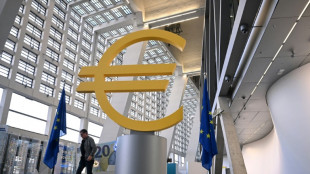
ECB set to hold rates steady with eye on Iran crisis
-
 Team-first Kane propelling Bayern to glory as PSG showdown looms
-
Pogacar vows to keep going until Seixas 'destroys' him

-
 From Adele to Raye, the UK school nurturing future stars
-
Final talks begin on missing piece for pandemic treaty

-
 Oil rises, stocks swing as peace talk hopes wobble
-
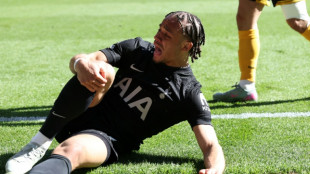
'Heartbroken' Xavi Simons out of World Cup and Spurs relegation fight
-
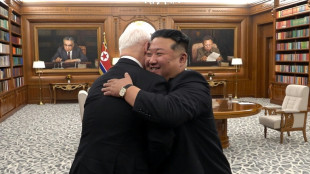 North Korea's Kim reaffirms support for Russia's 'sacred' Ukraine war
-
Spurs win in Wembanyama return to take 3-1 lead over Trail Blazers

-
 As some hijabs come off in Iran, restrictions still in place
-
Orangutan uses Indonesia canopy bridge in 'world first': NGO

-
 Dealing with the dead in the ruins of Sudan's war
-
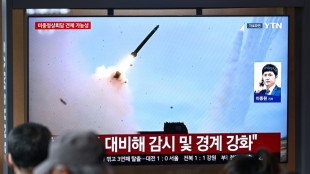
North Korea strengthens nuclear push as US flails in Middle East
-
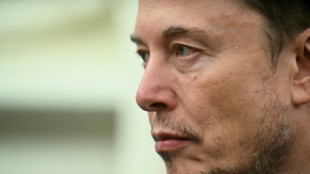 Stage set for Elon Musk's court battle with OpenAI
-
Caught between wars, US Afghan allies trapped in Qatar without safe exit

-
 British royals begin four-day US visit despite shooting
-
Fitzpatrick brothers capture PGA Tour's Zurich Classic pairs crown

-
 Spurs win in Wembanyama return to take 3-1 lead on Trail Blazers
-
Toulouse fall to first home defeat for a year

-
 Global military spending surges on insecurity: report
-
Marseille see Champions League chance slip further away

-
 Nelly Korda wins LPGA Chevron Championship
-
Syrian court begins proceedings against Assad and allies

-
 Inter's Serie A title charge hits bump in road, Milan and Juve in stalemate
-
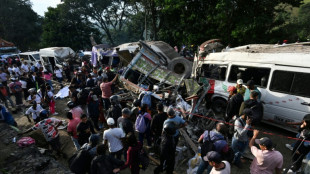
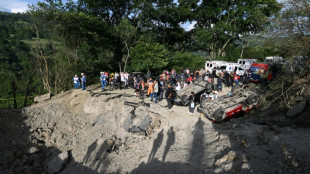
Colombia road bombing death toll rises to 20
-
 Raptors top Cavs to pull level in NBA playoff series
-
Iran minister heads to Russia as talks remain stalled

-
 Rinku stars as Kolkata edge Lucknow in Super Over
-
T'Wolves Edwards to miss several weeks - report

-
 Michael Jackson biopic debuts atop N. America box office
-
King Charles state visit to US to go on as planned after shooting

-
 Inter pegged back by Torino as Serie A title charge hits bump in road
-
Mali junta in crisis after minister killed, key city 'captured'

-
 Dortmund down Freiburg to seal Champions League spot
-
McFarlane hails Chelsea 'character' after FA Cup semi-final win

-
 Gunman sought to kill Trump, cabinet at gala dinner
-
Arsenal punish Lyon errors in Champions League semi

-
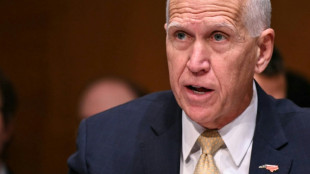 Key US senator lifts block on Fed chair nominee
-
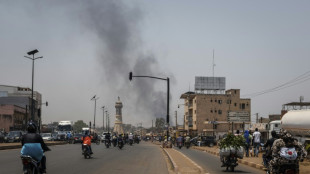
Attacks in Mali: What we know
-
 Vollering wins women's Lige-Bastogne-Liege for 3rd time
-
Sinner motors on in Madrid as Gauff overcomes stomach bug

-
 Fernandez sends Chelsea into FA Cup final to lift gloom after Rosenior sacking
-
Colombia road bombing death toll rises to 19
France's debt is growing
France is facing an unprecedented financial challenge. With public debt exceeding €3.2 trillion, representing more than 110% of gross domestic product (GDP), the eurozone's second-largest economy is on a dangerous path. The budget deficit is around 5.5% of GDP and is expected to rise to over 6% this year. These figures significantly exceed EU targets, which allow a maximum deficit of 3% and a debt ratio of 60% of GDP. The financial markets are becoming increasingly nervous, and interest rates on French government bonds are climbing to record levels. What has led to this debt chaos, and how can France avoid the looming abyss?
The roots of the crisis run deep. For decades, France has had a relaxed attitude towards debt, which differs from the strict budgetary discipline of other countries such as Germany. During the coronavirus pandemic and the energy crisis resulting from the war in Ukraine, the government pumped billions into the economy to support households and businesses. Subsidies for electricity prices and generous social benefits kept the economy stable but led to a sharp rise in debt. Since 2017, when President Emmanuel Macron took office, public debt has grown by almost one trillion euros. Critics accuse the government of delaying necessary structural reforms, while the government's spending ratio is just under 60% of GDP – one of the highest in the world.
The political situation is exacerbating the crisis. Following early parliamentary elections in the summer of 2024, parliament is fragmented and majorities are difficult to form. Prime Minister François Bayrou, who has been in office since autumn 2024, has presented an ambitious austerity programme to reduce the deficit to below 3% by 2029. The measures include the abolition of two public holidays, a freeze on pensions and social benefits, the elimination of 3,000 civil service jobs and higher taxes on high incomes. However, these plans are meeting with fierce resistance. The right-wing nationalist party Rassemblement National and left-wing parties are threatening votes of no confidence, which could bring down Bayrou's government. His predecessor, Michel Barnier, was forced to resign after only three months in office when his draft budget failed.
The financial markets are watching the situation with suspicion. Interest rates on French government bonds are now exceeding those of Greece in some cases, which is an alarming sign. France spends around 50 billion euros a year on debt servicing alone, and the trend is rising. Experts warn that this figure could climb to between 80 and 90 billion euros by 2027, making investment in education, infrastructure and climate protection virtually impossible. Rating agencies such as S&P and Moody's still rate France's creditworthiness as solid, but have threatened downgrades if the deficits are not reduced.
The crisis also has European dimensions. France is systemically important for the eurozone, and an uncontrolled rise in debt could jeopardise the stability of the single currency. Unlike the Greek debt crisis in 2008, when rescue funds were used, a bailout package for France would be almost impossible to finance. The EU has launched disciplinary proceedings against France to exert pressure for budget consolidation, but political instability is hampering reforms.
What can France do? Bayrou's austerity plans are a first step, but their implementation is uncertain. Tax increases are politically sensitive, as France already has one of the highest tax rates in Europe. Spending cuts could slow economic growth, which is just over 1% this year. At the same time, experts are calling for structural reforms to increase productivity and reduce dependence on the public sector. Without clear political majorities, there is a risk that France will slide further into debt.
Citizens are already feeling the effects of the crisis. Strikes and protests against austerity measures are on the rise, and social tensions are running high. Many French people feel caught between high living costs and impending cuts. The government faces the challenge of regaining credibility without losing the trust of the markets or the population.
A way out of the debt chaos requires courage and a willingness to compromise. Bayrou has described the situation as ‘the last stop before the abyss.’ Whether France can overcome this crisis depends on whether politicians and society are prepared to make tough decisions. Time is pressing, because the financial markets will not tolerate any further delays. France is at a crossroads – between reform and risk.

Trump vs Intel: Chip endgame?

After Europe’s capitulation

Tariffs roil U.S.–India ties

Adobe down 40% and now?

Adobe down 40%: Kodak moment?
Bolivia at breaking point

Embraer’s 950% surge

China’s profitless push

Alert in Trump’s America

Why China props up Putin

Zelenskyy anti-graft gamble



