-
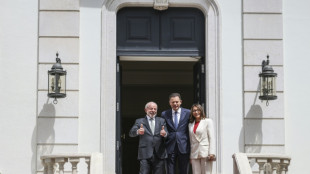 In Portugal, Lula urges return to multilateralism
-
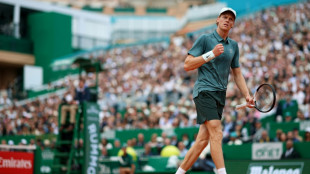
Sinner wants to use Madrid to boost career Grand Slam chances
-
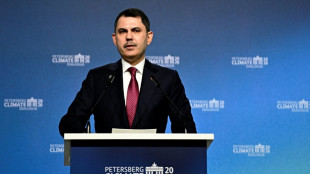 Renewables key to buffer fossil fuel energy shock: COP31 co-hosts
-
Chery wants to make small electric car in Europe

-
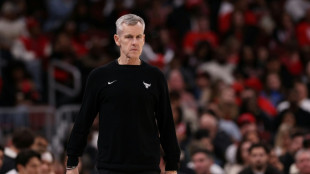 Donovan steps down as Bulls coach
-
US official says gas prices have peaked despite Iran war
-
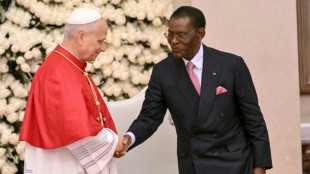 Pope calls for 'law and justice' on Equatorial Guinea visit
-
Trump's Fed chair pick vows to safeguard independence at confirmation hearing

-
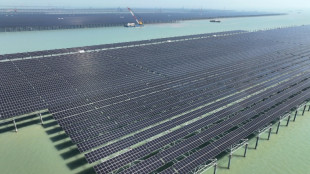 Mideast war lights fire under energy transition plans
-
Trump says Iran violated truce as doubt surrounds peace talks
-
 Djibouti president re-election confirmed with 97% of vote
-
Barcelona need leaders to fulfil Flick's Champions League dream

-
 Guardiola hints that Rodri will make swift Man City return
-
'We weren't soft, we were skilled': Nowitzki on NBA's European revolution

-
 PSG and Luis Enrique sweat on Vitinha ahead of Champions League semis
-
Counting a billion people: Inside India's mega census drive

-
 UK tackles electricity price link to world gas amid Mideast war
-
In south Lebanon's Nabatieh, residents fear a return to war
-
 Bangladesh fuel crunch forces hours-long wait at the pump
-
Fondness for Francis undimmed one year after pope's death

-
 Oil and stocks steady as US-Iran truce expiry looms
-
Downing Street exerted pressure to OK Mandelson: sacked UK official
-
 Pope visits Equatorial Guinea on last stop of Africa tour
-
German investor morale lowest in over 3 years on Iran war fallout
-
 FedEx faces French 'genocide' complaint over Israel cargoes
-
No Iran delegation sent to US talks yet as truce expiry nears
-
 Rover discovers more building blocks of life on Mars
-
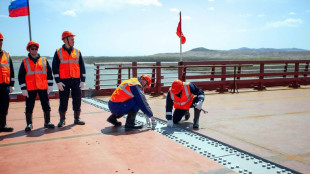
Russia, North Korea connect road bridge ahead of summer opening
-
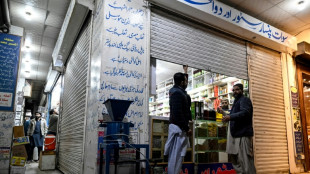 'Strangled': Pakistan faces economic imperative in Iran war peace push
-
Michael Jackson fans pack Hollywood for biopic premiere

-
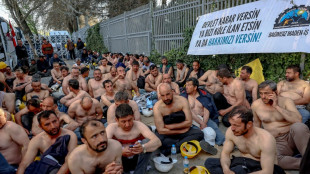 Turkey arrests 110 coal miners on hunger strike
-
Associated British Foods to spin off Primark clothes brand

-
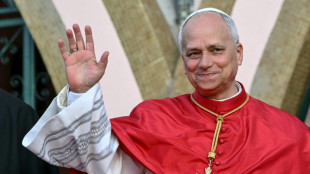 Pope visits Eq. Guinea on last stop of Africa tour
-
Hello Kitty's parent company to make own video games

-
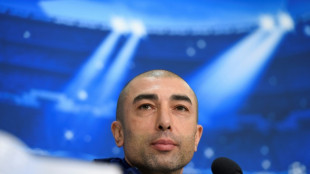 Di Matteo says 'vital' for faltering Chelsea to add experience
-
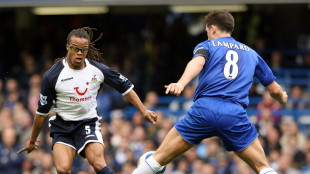
Ex-Spurs star Davids condemns 'lack of quality, lack of management'
-
 Turkmenistan, the gas giant increasingly dependent on China
-
Romanian AI music sensation Lolita sparks racism debate

-
 Timberwolves battle back to stun Nuggets in NBA playoffs
-
Eta appointment 'no surprise' for Union Berlin's ascendant women

-
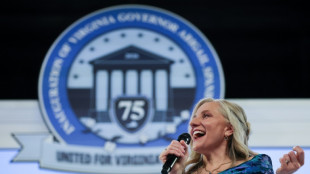 Democrats eye Virginia gains in war with Trump over US voting map
-
Tourists trickle back to Kashmir, one year after deadly attack

-
 Inside the world of ultra-luxury wedding cakes
-
Chinese AI circuit board maker soars on Hong Kong debut

-
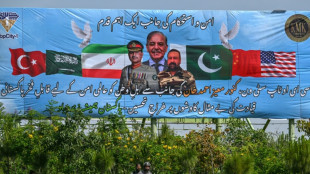 Oil prices dip, most stocks rise on lingering Iran peace hopes
-
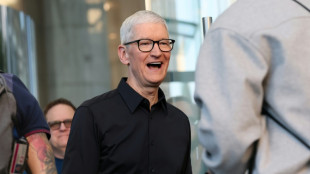
Tim Cook's time as Apple chief marked by profit absent awe
-
 Mitchell, Harden shine as Cavs down Raptors for 2-0 series lead
-
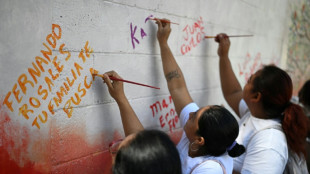
El Salvador's missing thousands buried by official indifference
-
 Trump's Fed chair pick to face lawmakers at key confirmation hearing
-
PGA Tour to scrap Hawaii opening events from 2027

France's debt is growing
France is facing an unprecedented financial challenge. With public debt exceeding €3.2 trillion, representing more than 110% of gross domestic product (GDP), the eurozone's second-largest economy is on a dangerous path. The budget deficit is around 5.5% of GDP and is expected to rise to over 6% this year. These figures significantly exceed EU targets, which allow a maximum deficit of 3% and a debt ratio of 60% of GDP. The financial markets are becoming increasingly nervous, and interest rates on French government bonds are climbing to record levels. What has led to this debt chaos, and how can France avoid the looming abyss?
The roots of the crisis run deep. For decades, France has had a relaxed attitude towards debt, which differs from the strict budgetary discipline of other countries such as Germany. During the coronavirus pandemic and the energy crisis resulting from the war in Ukraine, the government pumped billions into the economy to support households and businesses. Subsidies for electricity prices and generous social benefits kept the economy stable but led to a sharp rise in debt. Since 2017, when President Emmanuel Macron took office, public debt has grown by almost one trillion euros. Critics accuse the government of delaying necessary structural reforms, while the government's spending ratio is just under 60% of GDP – one of the highest in the world.
The political situation is exacerbating the crisis. Following early parliamentary elections in the summer of 2024, parliament is fragmented and majorities are difficult to form. Prime Minister François Bayrou, who has been in office since autumn 2024, has presented an ambitious austerity programme to reduce the deficit to below 3% by 2029. The measures include the abolition of two public holidays, a freeze on pensions and social benefits, the elimination of 3,000 civil service jobs and higher taxes on high incomes. However, these plans are meeting with fierce resistance. The right-wing nationalist party Rassemblement National and left-wing parties are threatening votes of no confidence, which could bring down Bayrou's government. His predecessor, Michel Barnier, was forced to resign after only three months in office when his draft budget failed.
The financial markets are watching the situation with suspicion. Interest rates on French government bonds are now exceeding those of Greece in some cases, which is an alarming sign. France spends around 50 billion euros a year on debt servicing alone, and the trend is rising. Experts warn that this figure could climb to between 80 and 90 billion euros by 2027, making investment in education, infrastructure and climate protection virtually impossible. Rating agencies such as S&P and Moody's still rate France's creditworthiness as solid, but have threatened downgrades if the deficits are not reduced.
The crisis also has European dimensions. France is systemically important for the eurozone, and an uncontrolled rise in debt could jeopardise the stability of the single currency. Unlike the Greek debt crisis in 2008, when rescue funds were used, a bailout package for France would be almost impossible to finance. The EU has launched disciplinary proceedings against France to exert pressure for budget consolidation, but political instability is hampering reforms.
What can France do? Bayrou's austerity plans are a first step, but their implementation is uncertain. Tax increases are politically sensitive, as France already has one of the highest tax rates in Europe. Spending cuts could slow economic growth, which is just over 1% this year. At the same time, experts are calling for structural reforms to increase productivity and reduce dependence on the public sector. Without clear political majorities, there is a risk that France will slide further into debt.
Citizens are already feeling the effects of the crisis. Strikes and protests against austerity measures are on the rise, and social tensions are running high. Many French people feel caught between high living costs and impending cuts. The government faces the challenge of regaining credibility without losing the trust of the markets or the population.
A way out of the debt chaos requires courage and a willingness to compromise. Bayrou has described the situation as ‘the last stop before the abyss.’ Whether France can overcome this crisis depends on whether politicians and society are prepared to make tough decisions. Time is pressing, because the financial markets will not tolerate any further delays. France is at a crossroads – between reform and risk.
Россия: Власть психует и чувствует неуверенность

Военный преступник России Путин не изменит судьбу человечества!

Россия: Военный преступник Владимир Путин на фронте войны

Russian Bastards murder defenceless children in Ukraine

Россия: Военные преступники Путин заберёт на войну всех

Тысячи погибших солдат российского террора опознаны! Свинья Пригожин теперь хочет мира?

Россия: Пропагандисты ликуют: отрезали голову!

Пригожин оправдывается | Лавров умоляет о везите в США

Россия: Здоровье Навального в опасности

Россия: Вагнеровцев не хотят хоронить!
Вам пришла повестка на Госуслугах. Что делать?