-
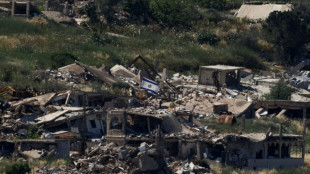 Lebanese leaders rebuke Iran as Israel, Hezbollah trade attacks
-
Argentine rock legend Carlos 'Indio' Solari dies at 77

-
 FIFA ups payments to clubs who send players to World Cup
-
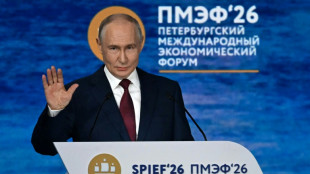
Russian economy has not collapsed, Putin says at key forum
-
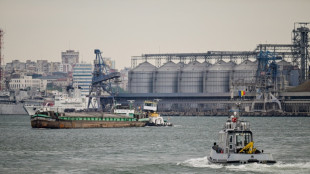 Ukrainian sea drone explodes in Romanian port, no casualties
-
AI fever spreads, but are markets masking economic cracks?

-
 MEXC "Pizza Day: Urban Run" Draws Over 82,000 Participants and Rewards Nearly 75,000 Users
-
MEXC Lists YOM (YOM) with 200,000 YOM and 40,000 USDT in Airdrop+ Rewards

-
 Blockbuster US job gains ruffle Wall Street
-
Strong US job growth beats expectations in May, firming recent gains

-
 Nvidia's Huang arrives in South Korea with 'surprises', bets on robotics
-
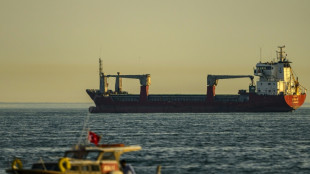
'No hope': Indian crew stranded off Turkey for months
-
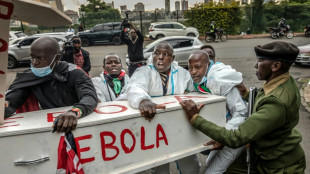 Kenyans fearful and furious over US Ebola centre
-
From Siberia to French Open final, Andreeva living 'dream'

-
 Chwalinska, the 'tennis freak' making Roland Garros history
-
Leclerc beats Hamilton as Ferrari shine in Monaco F1 practice

-
 Dutch court jails trio over Romanian golden helmet theft
-
Lawsuit seeks to stop US 'third-country' deportations to Eq.Guinea
-
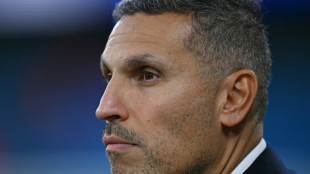 Man City chairman will 'say everything' after verdict on financial charges
-
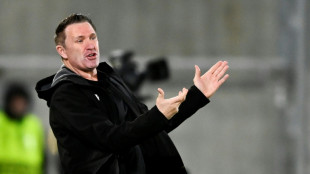
Celtic fans oppose potential Keane move over Israel stay
-
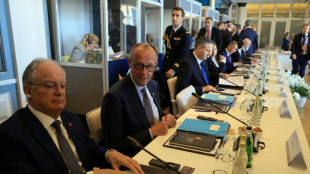 Balkan integration in the spotlight at EU summit
-
Feared global hunger crisis 'coming to pass' as Mideast war lingers: UN
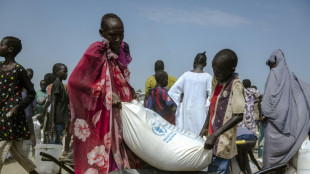
-
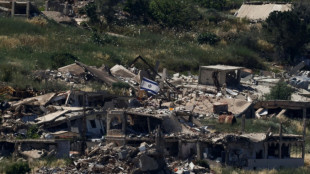 Israel strikes south Lebanon after warning to several areas
-
Macron blasts 'unacceptable' lapses over girl's suspected murder

-
 Chwalinska bidding to take final step at French Open against Andreeva
-
Sea drone explodes in the Romanian port of Constanta, no casualties
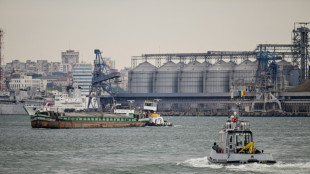
-
 Irish slump drags eurozone economy into red in first quarter
-
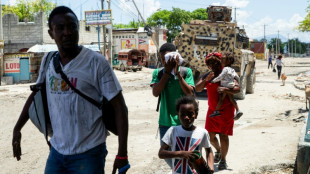
Nearly 1.5 million displaced in Haiti: UN
-
 England's Robinson takes five wickets as New Zealand all out for 113
-
Former France rugby coach Saint-Andre eyes making history with Aix
-
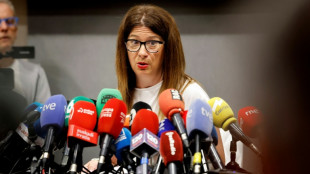 Spanish PM denies links to plot to disrupt probes into allies
-
France probes judicial 'dysfunction' after girl's suspected murder

-
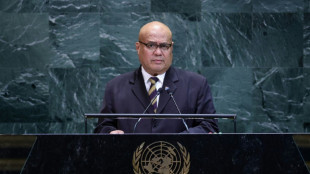 Tuvalu says fossil fuel holdings revealed by AFP 'not a good look'
-
Serena Williams' comeback to continue in Berlin

-
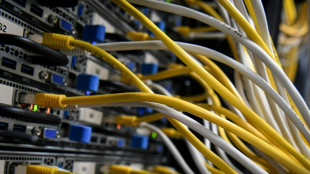 France's data centre ambitions bump up against rural fears
-
Norway crown princess put on waitlist for lung transplant

-
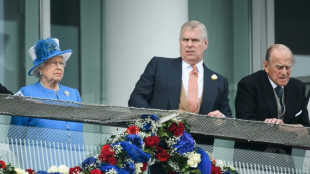 Disgraced ex-prince Andrew sublet royal cottages, UK auditors reveal
-
US Senate approves $70 billion for Trump immigration crackdown
-
 Pro-apartheid past of former boss roils Dutch climate group
-
France questions judicial system after girl's suspected murder

-
 Ireland head coach Farrell extends contract until 2031
-
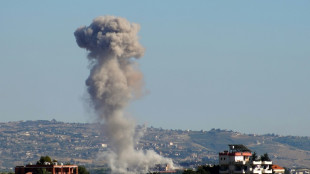
Israel strikes Lebanese village after warning to several areas
-
 Hurricanes hammer hapless Brumbies to make Super Rugby semi-finals
-
UN doubles appeal for Lebanon aid to nearly $640 mn amid Israel war
-
 Sicily braces for post-wedding blowout of Dua Lipa, Callum Turner
-
Sooryavanshi, 15, in line for maiden India call-up: report

-
 Japan change World Cup training sites in Mexico over conditions
-
Rescued orphaned elephant highlights Nigeria's conservation fight

-
 Crypto scammers prey on French victims from Albania
-
Turkmenistan's 'heavenly' horses at the heart of fervent state cult

NYSE - LSE
France's debt is growing
France is facing an unprecedented financial challenge. With public debt exceeding €3.2 trillion, representing more than 110% of gross domestic product (GDP), the eurozone's second-largest economy is on a dangerous path. The budget deficit is around 5.5% of GDP and is expected to rise to over 6% this year. These figures significantly exceed EU targets, which allow a maximum deficit of 3% and a debt ratio of 60% of GDP. The financial markets are becoming increasingly nervous, and interest rates on French government bonds are climbing to record levels. What has led to this debt chaos, and how can France avoid the looming abyss?
The roots of the crisis run deep. For decades, France has had a relaxed attitude towards debt, which differs from the strict budgetary discipline of other countries such as Germany. During the coronavirus pandemic and the energy crisis resulting from the war in Ukraine, the government pumped billions into the economy to support households and businesses. Subsidies for electricity prices and generous social benefits kept the economy stable but led to a sharp rise in debt. Since 2017, when President Emmanuel Macron took office, public debt has grown by almost one trillion euros. Critics accuse the government of delaying necessary structural reforms, while the government's spending ratio is just under 60% of GDP – one of the highest in the world.
The political situation is exacerbating the crisis. Following early parliamentary elections in the summer of 2024, parliament is fragmented and majorities are difficult to form. Prime Minister François Bayrou, who has been in office since autumn 2024, has presented an ambitious austerity programme to reduce the deficit to below 3% by 2029. The measures include the abolition of two public holidays, a freeze on pensions and social benefits, the elimination of 3,000 civil service jobs and higher taxes on high incomes. However, these plans are meeting with fierce resistance. The right-wing nationalist party Rassemblement National and left-wing parties are threatening votes of no confidence, which could bring down Bayrou's government. His predecessor, Michel Barnier, was forced to resign after only three months in office when his draft budget failed.
The financial markets are watching the situation with suspicion. Interest rates on French government bonds are now exceeding those of Greece in some cases, which is an alarming sign. France spends around 50 billion euros a year on debt servicing alone, and the trend is rising. Experts warn that this figure could climb to between 80 and 90 billion euros by 2027, making investment in education, infrastructure and climate protection virtually impossible. Rating agencies such as S&P and Moody's still rate France's creditworthiness as solid, but have threatened downgrades if the deficits are not reduced.
The crisis also has European dimensions. France is systemically important for the eurozone, and an uncontrolled rise in debt could jeopardise the stability of the single currency. Unlike the Greek debt crisis in 2008, when rescue funds were used, a bailout package for France would be almost impossible to finance. The EU has launched disciplinary proceedings against France to exert pressure for budget consolidation, but political instability is hampering reforms.
What can France do? Bayrou's austerity plans are a first step, but their implementation is uncertain. Tax increases are politically sensitive, as France already has one of the highest tax rates in Europe. Spending cuts could slow economic growth, which is just over 1% this year. At the same time, experts are calling for structural reforms to increase productivity and reduce dependence on the public sector. Without clear political majorities, there is a risk that France will slide further into debt.
Citizens are already feeling the effects of the crisis. Strikes and protests against austerity measures are on the rise, and social tensions are running high. Many French people feel caught between high living costs and impending cuts. The government faces the challenge of regaining credibility without losing the trust of the markets or the population.
A way out of the debt chaos requires courage and a willingness to compromise. Bayrou has described the situation as ‘the last stop before the abyss.’ Whether France can overcome this crisis depends on whether politicians and society are prepared to make tough decisions. Time is pressing, because the financial markets will not tolerate any further delays. France is at a crossroads – between reform and risk.
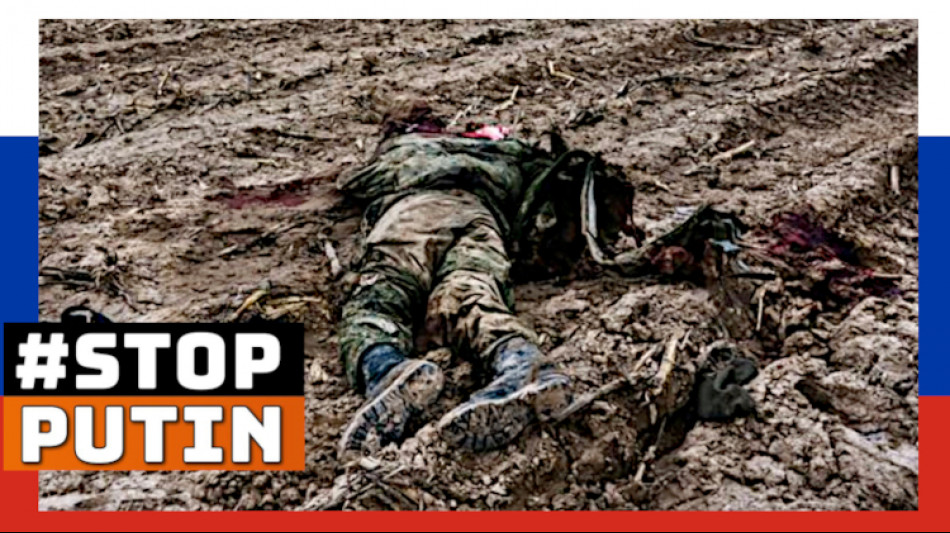
Dead Russian scum in Ukraine
US Supreme Court: Trump must disclose tax returns

Moscow on alert after Crimea hit by ‘drone attack'
US Federal Reserve raises interest rate to highest level

Brasilien: Jair Bolsonaro Wahlniederlage ein

Austrian President: Second term!
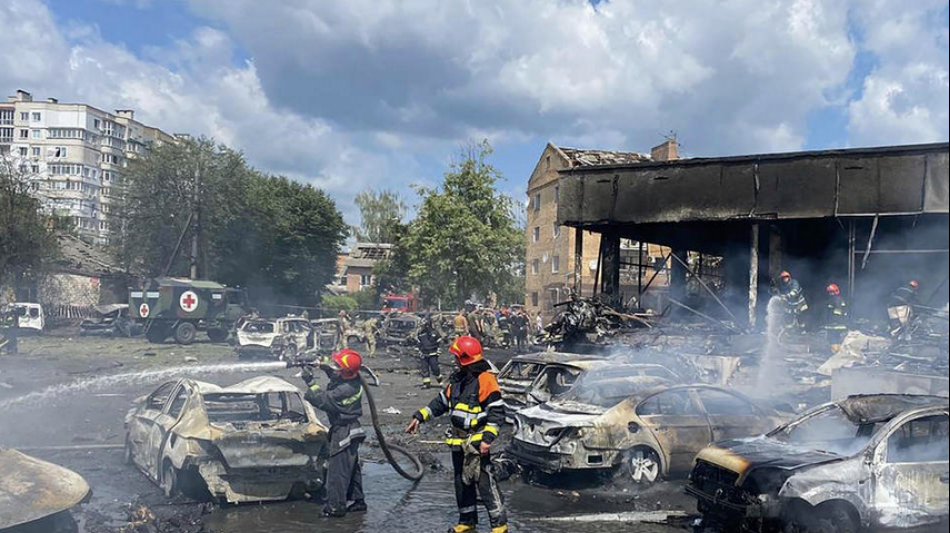
Russian war crimes!

Economic chaos in Italy
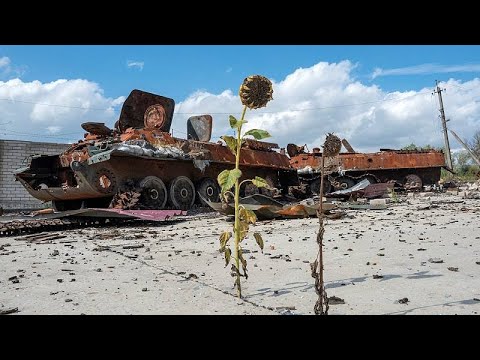
Ukraine's fight against the Russian terrorist state

Live coverage of HM Queen Elizabeth II's state funeral

LIVE: Farewell to Queen Elizabeth II.