Fell asleep a princess, awoke a queen: Elizabeth in Kenya / Photo: ©

 Colombian judge bans strikes on guerrillas if minors are present

 Khachanov shocks ailing Auger-Aliassime, Swiatek and Osaka advance at US Open

 Lone juror blocking verdict in US mother's child murder trial: defense

 'Kinda chic' - Williams sisters set to launch US Open doubles bid

 Volkswagen says cutting 100,000 jobs by end of decade

 Russia slaps curfew on charity director over army criticism

 Ailing Auger-Aliassime upset by Khachanov at US Open

 Richarlison omitted from Tottenham's Premier League squad

 How El Nino is choking the Panama Canal

 Hamilton drives his Ferrari dream at Monza

 Senegal has an IMF loan, now what?

 Auger-Aliassime upset by Khachanov at US Open

 Hugging Face, the French start-up that became AI's warehouse

 World Cup winner Llorente retires from Spain team at 31

 Osaka squeezes into US Open third round

 Apple faces £2 bn lawsuit in UK over app privacy feature

 Former champ Swiatek eases into US Open third round

 DR Congo latest to promise moving Israel embassy to Jerusalem

 War criminal Mladic's body returns to Serbia with military honours

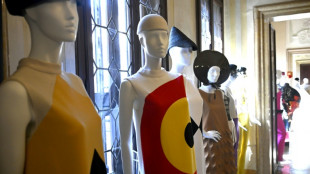 Pierre Cardin museum brings designer's futurist style to Venice

 Slovenian rookie Omrzel triumphs as Mas extends Vuelta lead

 British, French leaders talk migrants, EU relations

 Heading for Ferrari's home race, Leclerc still dreams of world title
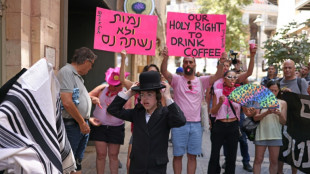 Cafe at centre of Israel culture clash agrees to shut on Sabbath

 Spacecraft bound for Mercury begins 'tricky' arrival
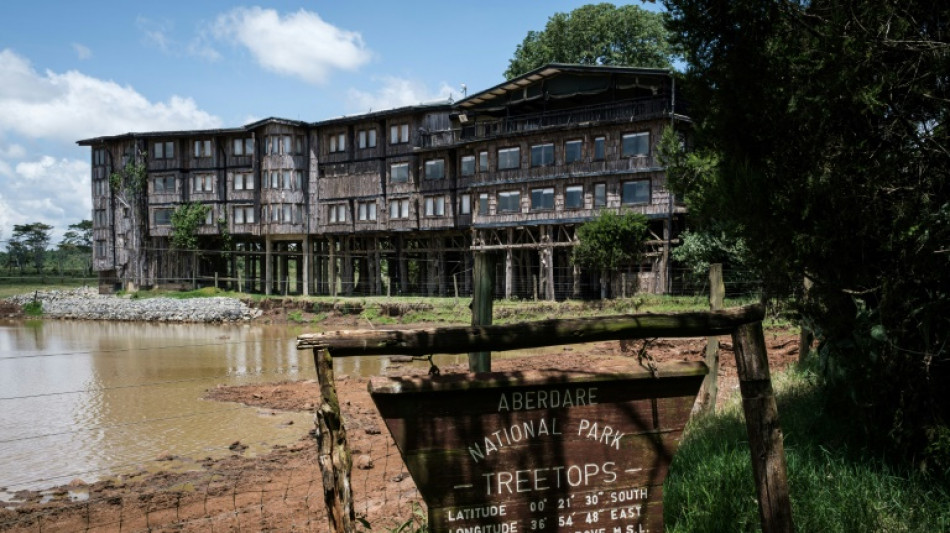
Princess Elizabeth was deep in the Kenyan forest on the adventure of a lifetime, spotting wildlife from high up in the treetops, when her father died and she became queen.
The world awoke on February 6, 1952, to the death of King George VI, who had succumbed during the night to lung cancer at the royal Sandringham residence in Norfolk.
His 25-year-old daughter and heir to the throne only heard the news later the same day, when word reached Elizabeth thousands of miles from home in the wilderness of the Aberdare Range.
Kenya, then a British colony, was the first stop on Elizabeth's tour of the Commonwealth she had embarked upon with her husband, Prince Philip, in place of her ill father.
The royal couple had taken a night out of their official engagements to stay at a one-of-a-kind game-watching lodge perched in a tree in the Aberdares interior.
It was during their night at the Treetops hotel that the king would die, and Elizabeth would become queen.
Jim Corbett, the naturalist and hunter who accompanied the royal couple to Treetops, is credited with writing in the visitor book: "For the first time in the history of the world, a young girl climbed into a tree one day a Princess and, after having what she described as her most thrilling experience, she climbed down from the tree next day a queen."
- 'Most wonderful experience' -
In fact, the Duke of Edinburgh broke the news to Elizabeth after they had left Treetops but the story stuck and the hotel became the fabled locale where a princess became a queen.
First opened in 1932 as an overnight stay for wealthy and intrepid visitors, Treetops overlooked a watering hole from its position in a giant fig tree.
In its day, there wasn't really anything like it.
A private setting among branches, remote in the African bush, Treetops offered the privileged elite a chance to encounter wildlife up close, and in safety, as they grazed below.
Elizabeth and Philip kept a handwritten tally of what they saw, recorded on a sheet of paper framed still today inside Treetops.
Large herds of elephant -- "about 40" in one sighting -- were spotted at the watering hole, along with baboons and waterbuck.
"Rhinos all night", read the list dated February 5/6, 1952 and signed by the Princess and Prince, and "in the morning, two bulls fighting".
An aide to the royal couple, instructed to write and thank the hotel's owners, described a "tremendous experience of watching the wild game in its natural surroundings" and day and night "packed with interest".
"I am quite certain that this is one of the most wonderful experiences that either The Queen or The Duke of Edinburgh have ever had," read the letter framed in Treetops dated February 8, 1952.
- Faded memories -
Two years after the historic visit, with Elizabeth having assumed the throne, Treetops burned down in what was rumoured to be an arson attack by anti-colonial Mau Mau rebels.
A new, much larger hotel was built on elevated wooden stilts on the opposite side of the watering hole to the original setting, where it still stands today.
The royal visit -- and the legend to go with it -- made Treetops among the most famous hotels in the world.
Well-heeled guests could stay in the Princess Elizabeth Suite, peruse royal memorabilia in the dining room, or gaze upon a portrait of the Queen framed by the tusks of an elephant shot by hunters in the 1960s.
Elizabeth and Philip returned in 1983 -- more formal than safari, with the queen in a knee-length dress, the duke in a blazer and tie -- to find Treetops very much changed in the 31 years between visits.
For many years, nothing more than a plaque marked where they spent that fateful night by the watering hole.
But today it is nowhere to be seen, put in storage after Treetops closed its doors at the onset of the coronavirus pandemic.
Two years later -- as the queen prepares to mark her platinum Jubilee -- it remains shut, a faded icon of a bygone era.
H.Seidel--BTB