
-
 Wahi denied Canadian visa for Ivory Coast World Cup clash with Germany
-
Swiss central bank holds interest rates, with eye on currency risks
-
 S.African sentenced in 'world's largest' rhino trafficking case
-
Bank of England follows Fed in holding interest rate
-
 Bittersweet World Cup for Gaza's football fans
-
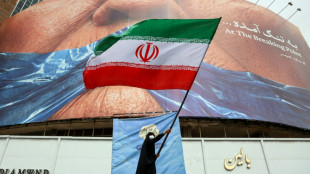
Trump defends Iran deal from critics he calls 'fools'
-
 New heatwave disrupts trains, schools in France
-
German chemical company to cut 3,200 jobs as crisis worsens

-
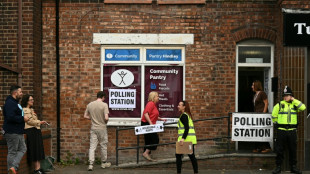 Starmer's Labour rival eyes win in UK poll key to PM's fate
-
Oil falls further on Mideast deal, but Fed outlook knocks equities
-
 Mexico, Korea eye World Cup knockout berths
-
Range raises $8.3M Series A to unify treasury, risk and compliance across stablecoins and fiat
-
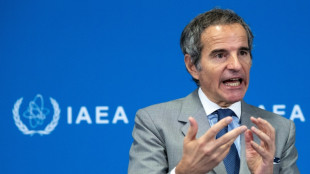 IAEA ready to help define 'concrete steps' to implement US-Iran deal
-
Ibrahima Konate signs four-year deal with Real Madrid
-
 Hegseth tells NATO US will review force presence in Europe
-
Innovations on show at Paris Vivatech fest
-
 Ukraine sets Moscow refinery ablaze in biggest attack in years
-
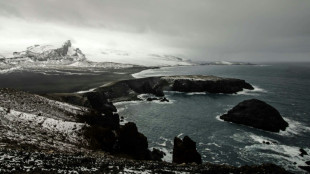
Bird flu kills 13,000 seal pups on remote Australian island
-
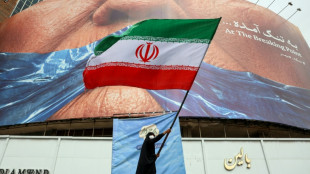 Oil prices sink further as Trump signs deal to reopen Hormuz
-
South Korean lawmakers launch probe into ballot paper shortages
-
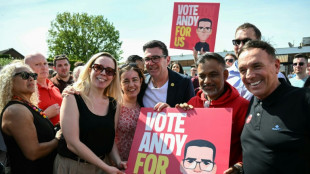 Starmer rival seeks win in UK poll pivotal to PM's fate
-
Taiwan president says hopes for $14 bn US arms sale 'as soon as possible'
-
 Why are Kenyan kids burning schools and killing their classmates?
-
New wave of anti-LGBTQ laws sweeps Africa
-
 Ukraine hopes renewables can Russia-proof power grid
-
Jubilant New York on guard for Knicks parade

-
 What we learned after the first round of World Cup games
-
New Zealander Manu has 'no fear' of Toulouse before Top 14 semi

-
 Drastic restrictions on public transport take effect in Cuba
-
Pain-riddled South Korean man fights for right to die
-
 Cuba approves economic reforms to boost private sector, investment: state TV
-
India learns to live with hotter summers
-
 'Retired' Wallaby Slipper, 37, set for shock international comeback
-
EU wrestles over how to tackle China export flood
-
 Tartan Army takes over Boston as Scotland fans relish World Cup return
-
Comedian Jordan Klepper wishes satire was harder in age of Trump

-
 Robots pour cocktails and run marathons, but still can't multitask
-
Birthright citizenship helps spark US World Cup run

-
 Ghana beat Panama 1-0 in World Cup opener after injury-time winner
-
Castro gives crucial backing to Cuba reforms
-
 U.S. Polo Assn. Unveils Spring-Summer 2027 Collection at the 110th Edition of Pitti Immagine Uomo
-
Tuchel team talk transformed 'nervy' England in World Cup win

-
 Historic World Cup goal brings rare joy to DR Congo Ebola epicentre
-
Korea coach slams 'unfortunate' drone incident at training
-
 Trump, Iran's president sign deal to end Mideast war
-
Kane double fires England World Cup bid as Ronaldo's Portugal stumble
-
 Casemiro, Ancelotti's lieutenant and symbol of Brazil troubles
-
Qantas to launch non-stop Sydney-London flights in October 2027
-
 Kane scores twice as England beat Croatia to launch World Cup charge
-
Danilo backs Brazil to get over World Cup 'fright'
NYSE - LSE
EU to vote on Trump tariff deal -- but eyes rest of world
European Union lawmakers are on track to give a green light -- with conditions -- Thursday to the bloc's tariff deal with US President Donald Trump, which Europe hopes to salvage while also racing to diversify its trade ties around the globe.
Brussels and Washington clinched the deal last summer that had set tariffs at 15 percent for most EU goods.
But Trump's 2025 tariff blitz, including hefty levies on steel, aluminium and car parts, has jolted the 27-country bloc into cultivating trade ties around the world.
From deals signed with South America to Australia, the EU has its eyes on many prizes.
But that doesn't mean the EU intends to walk away from the 1.6 trillion euro ($1.9 trillion) relationship with its main trade partner, the United States.
The European Parliament is voting Thursday on whether to cut EU tariffs on some US imports -- as a first step towards implementing the 2025 deal -- but with additional safeguards.
The potential green light comes after months of delay as lawmakers resisted approving the accord due to transatlantic tensions over Greenland -- and then put it on hold again following the US Supreme Court's ruling striking down Trump's levies.
The ball started rolling again after the European Commission, in charge of EU trade policy, said it would stick to the pact despite the US ruling and called on lawmakers to do the same, having received reassurances from Washington.
Trump, however, retaliated after the ruling with a new tariff regime -- pushing EU lawmakers to tighten the existing agreement with numerous safeguards.
- Losing access to US energy? -
Lawmakers leading on trade have added several provisions: making an EU tariff reduction automatically lapse in March 2028, and tying tariff cuts on steel and aluminium goods to similar reductions by the US side.
Not all members of the parliament are convinced. French EU lawmakers from the centrist Renew group have said they will vote against the agreement.
"The only political value this agreement had to offer was stability and predictability, even if many say it's an unfair deal. If it no longer even provides predictability, there's no reason to support the deal, even if it has been improved," said MEP Pascal Canfin.
The United States has urged the bloc to implement the agreement.
Washington's ambassador to the EU Andrew Puzder told the Financial Times that if the bloc delayed further, it risked losing "favourable" access to US liquefied natural gas at a time when the Middle East war has led to surging energy costs.
Before the US tariff deal is implemented by the bloc, it still needs to be negotiated with EU member states -- although Brussels hopes talks will go quickly.
- 'Trump factor' -
It is the EU's vulnerability to the consequences of wars and other shocks that has pushed Commission chief Ursula von der Leyen to make diversifying trading partners a priority, to cut overdependence on the United States and China.
The frenzy began with a long-awaited accord signed with the South American Mercosur bloc in January. Weeks later, Brussels struck another pact with India and just this week clinched a stalled deal with Australia.
"The Trump factor sped up their conclusion, for us as well as for our partners," economist Andre Sapir said.
Spurred by Trump, Sapir said, the EU has been pushing to create the world's largest network of free trade areas -- a strategy with a "defensive dimension" allowing it to resist trade "coercion".
"This free trade network carries weight in our discussions with the two giants, the United States and China," he said.
"These agreements are part of our arsenal," Sapir, of the Bruegel think tank, added. "Our strategic weapons in the international order."
T.Zimmermann--VB