The Iran war and the cost of killing 'bad guys' / Photo: © AFP

 Gabriel tells Brazil to turn the page against Haiti at World Cup

 Cuba adopts historic package of free-market reforms

 US faces tough path to new Iran nuclear deal

 Cuba unveils historic package of free-market reforms

 Stokes set for England return in New Zealand finale - reports

 Quarantine over for almost all hantavirus ship passengers, crew
 Ex-presidents and stars, but no Trump, turn out for Obama Library

 Al-Qaeda-linked jihadists attack Niger airport, 11 soldiers killed
 New Zealand's Henry rocks England in 2nd Test after Phillips century
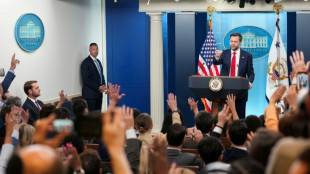 Iran's supreme leader says approved deal as US lifts ports blockade

 AI-generated videos use Down syndrome to make sales

 Spurs sign Dutch defender Van Hecke from Brighton

 Liverpool agree deal to sign Spain forward Munoz from Osasuna

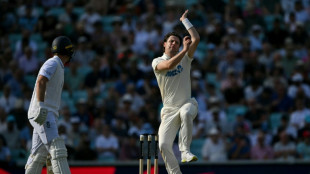 New Zealand's Henry rocks England after Phillips century

 Wildcard Eala shocks Rybakina in Berlin

 South Africa hold Czechs, keep World Cup knockout dream alive

 Important or selfish? World Cup evidence mounts against Ronaldo

 EU wrestles over tackling China export flood

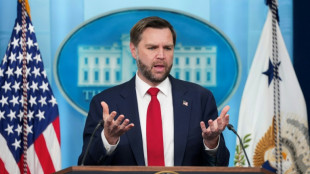 Vance defends Iran deal, eyes Swiss talks

 Wahi granted Canadian visa for Ivory Coast World Cup match after delay

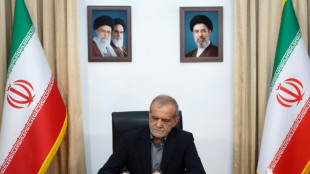 US lifts Iran ports blockade as uncertainty clouds Swiss Iran talks
 Brutal Shinnecock winds blow away US Open contenders

 AI-generated videos wield Down syndrome to make sales

 Man dies, trains and classes disrupted as heatwave hits France
 Neymar to miss Brazil's second World Cup game against Haiti

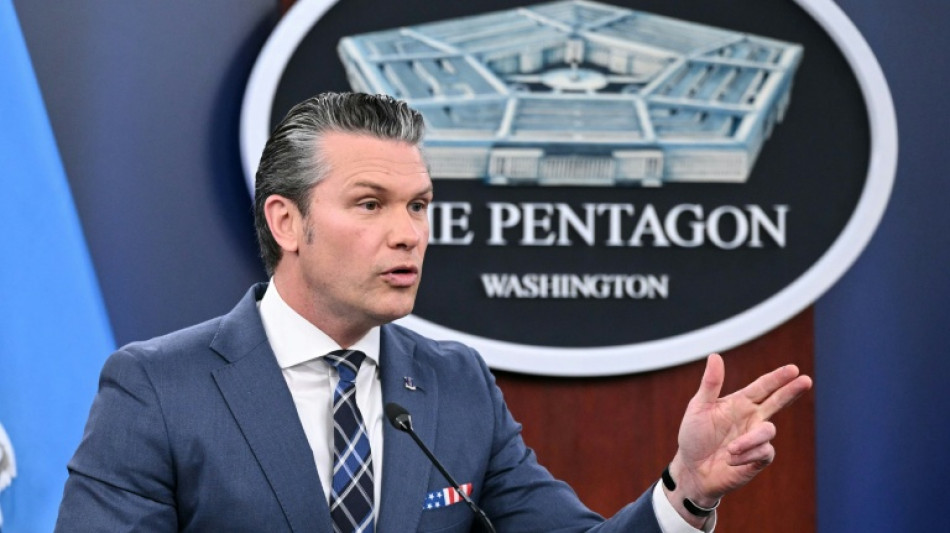
US Defense Secretary Pete Hegseth said Thursday that it "takes money to kill bad guys" when asked if the Pentagon had requested $200 billion in funding for the Iran war.
Exactly how much the war has cost so far has yet to be publicly disclosed, and the final bill will depend on how long the US-Israeli campaign against Iran launched on February 28 lasts.
But it could be substantial: The Pentagon's comptroller reportedly told lawmakers that the first six days of the war had cost $11.3 billion.
That number sounds credible "based on the scope and scale of what the administration did during that period," said Daniel Schneiderman, director of global policy programs at Penn Washington.
"The amount of precision munitions and interceptors used, the number of air sorties, fuel expended, and cost of operation of two carrier strike groups all factored in, would lead to a very large bill," he said.
In an operation such as the one against Iran, the most crucial items are among the most expensive.
"Standoff weapons like cruise missiles, THAAD interceptors and batteries, bombs and missiles fired from aircraft, the fuel and maintenance that supports those aircraft and the carriers they fly off of, and not to mention the skilled labor that operates them," Schneiderman said.
- 'Volatile world' -
"It's very expensive to run a war," he said, noting that on a day-to-day basis, the Iran conflict "has to be up there with the costliest interventions the US has undertaken from a financial perspective."
Hegseth on Thursday indirectly confirmed the approximate value of the Pentagon's request for additional funding, saying: "As far as $200 billion, I think that number could move."
"We're going back to Congress and our folks there to ensure that we're properly funded for what's been done, for what we may have to do in the future, ensure that our ammunition is, everything's refilled," Hegseth said.
Trump also seemed to confirm the figure, saying when questioned about it that "we're asking for a lot of reasons, beyond even what we're talking about in Iran. This is a very volatile world."
"We want to have vast amounts of ammunition, which we have right now," Trump said during an event in the Oval Office. "It's a small price to pay to make sure that we stay tippy top."
In addition to the direct cost of the military equipment used during the war, the conflict has caused significant economic fallout in the form of soaring oil prices after Iran effectively closed the vital Strait of Hormuz waterway.
I.Stoeckli--VB