
From private enterprise to property: Cuba's reforms unpacked / Photo: © AFP

 Packers beat Panthers 27-19 as Watson returns from hospital

 Affordable supermarket fashion offers designer-inspired autumn alternatives
 Judge throws out Australian mushroom killer's appeal, imposes harsher sentence

 Pelicans down Kings for first win of NBA season

 Tech firms take fresh hit as earnings misses fan AI fears

 Worcestershire leaders back renewed two-unitary council reorganisation
 India's animal megacentre vows reset after criticism

 Dodging fuel price hikes, Damascus drivers turn to electric cars
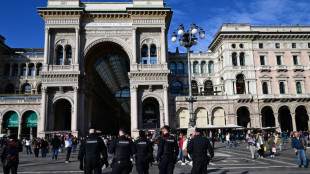
 Alvechurch manager praises resilience but seeks improvement after Anstey draw
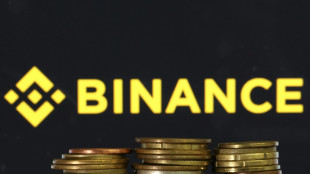 Crypto platform Binance confirms major hack, more than $2.5bn frozen
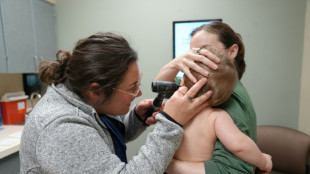
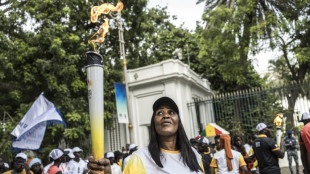 Sports chiefs face losing battle to keep sport separate from politics
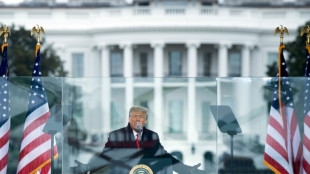
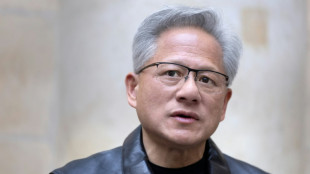 Nvidia's web of AI bets: smart strategy or bubble risk?
 Carrick fights for Man Utd job, Arsenal face Liverpool test

 Apple TV crime drama Nocturne brings a Scandinavian thriller to Pennsylvania

 Charity crowdfunds millions to buy historic English estate

 'Diabolical' Halloween festivities banned in Honduran towns

 Everton boss Moyes backs 'club decision' to drop Grealish for Newcastle tie
 DoorDash shares rise as Instacart slips following $17 billion takeover plan

 Japanese star Forever Young goes for rare Breeders Cup Classic repeat

 Inter Miami stay third after 2-2 draw with FC Cincinnati

 Inkle buys Finally bookkeeping unit and expands India-based workforce

 PI Industries plans Indian launch of Pioxaniliprole insecticide this rabi season
 Small-market Brewers upend big-spenders as baseball lockout looms
 ISRO schedules NVS-03 navigation satellite launch for Friday

 Antonelli struck with illness ahead of Mexico GP

Cuban lawmakers on Thursday adopted nearly 200 free-market reforms in a desperate bid to end a severe crisis and secure the end of a crippling US fuel blockade.
The 176 measures represent the biggest shake-up of the island's economic model since it began embracing communism six decades ago.
AFP looks at some of the standout measures:
- Private enterprise -
Small businesses of up to 100 people known as Mipymes were authorized in 2021 and have become an important part of the island's economy.
With the shelves of state-run shops glaringly empty and public transport drying up, Mipymes and the self-employed now dominate retail food sales and ferry people about -- by taxi, rickshaw and motorbike.
The reforms set out by Prime Minister Manuel Marrero go much further in promoting private enterprise.
Large companies, unlimited in size, will be authorized and Cubans will be allowed set up more than one company.
Foreign investors will no longer be required to form joint ventures with the state.
The government will cut red tape for business creation and allow private investors, both Cuban and foreign, to acquire shares in state companies.
State-owned enterprises will be transformed into commercial companies and the state salary scale scrapped in favor of company-level agreements.
- Energy -
Fuel supplies were a headache for Cuba long before US President Donald Trump cut off imports altogether by imposing a de-facto oil blockade.
To boost supplies, private and foreign investment will be allowed in the purchase and sale of fuel.
Tax breaks will be created for investment in renewable energy, such as solar panels, which have become ubiquitous during the energy crisis.
- Property -
While Cubans have since 2011 had the right to own a private home, many buildings remain state property.
The reforms would allow Cubans living on and off the island to buy state-owned property, "on a case-by-case basis" and to develop property in areas of high tourist potential.
- Banking -
Private investment in banking will be encouraged and citizens and companies will be allowed have accounts in foreign currency for the first time.
Remittances from Cubans abroad, a lifeline for many, will no longer be channeled exclusively through the state, and money changers will also be allowed operate privately.
- Land -
Land will remain in state hands but will be available for use in agro-fishing, forestry, agro-tourism and tobacco production under the usufruct -- the right to use and profit from another person's property -- for an indeterminate period.
G.Haefliger--VB