Ghana pushes for concrete slavery reparations / Photo: © AFP

 Swiss voters expected to shun stricter neutrality
 Rapper-turned-PM faces first big test after Nepal disaster
 Tuchel seeks tonic to England World Cup 'scar' in Spain showdown
 'Helps me cope': Catholic baptisms rise among French youth

 Colombians in Santa Marta stay inside after violence wracks the city
 Iran airlines cancel flights as US sanctions hit
 Meta launches camera-free AI glasses amid privacy pushback
 Australian PM says OpenAI hacked government health website

 Xi arrives in US to personal Trump welcome
 Morocco elects new parliament amid social frustration, youth discontent
 Scheffler and Burns to face Im and Lee in Presidents Cup opener
 Crushing wins for Lyon and Barca in women's Champions League
 Rio breaks record for rainiest September amid powerful El Nino
 At UN, tech chiefs urge caution in AI development
 Russian strikes kill seven in Ukraine, Zelensky vows winter campaign
 Venezuelan shot by ICE needs urgent medical care, mother tells AFP
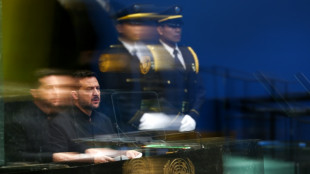 Zelensky says Putin using fighters from 47 countries in Ukraine war
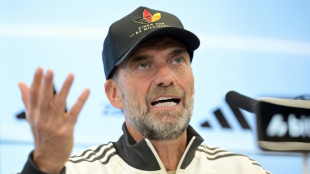 Klopp calls on Germany to 'rise above ourselves' as new era begins

 Russian strikes kill seven in Ukraine as Russia vows no 'pause' to war

 ArcPoint Expands Globally with Institutional Intelligence Platform for Modern Investors

 Ronaldo focussing on 'present' ahead of Wales test

 Outgoing UN chief makes final climate push at New York summit
 Grief and pain flow at hearing for Canadian suicide poison vendor
 Ireland boss Hallgrimsson says timing of Israel remarks 'not clever'
 Weinstein resentenced to 15 years in prison for 2006 sex assault
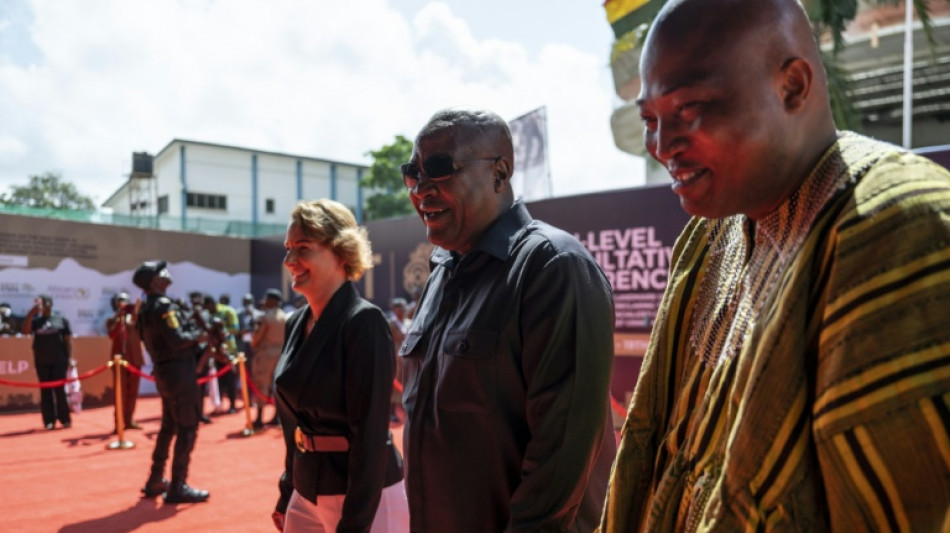
Ghana hosted a landmark global conference on Thursday seeking to translate growing political support for slavery reparations into practical commitments towards justice.
The conference, which brought together leaders from around Africa and the Caribbean, comes after the United Nations adopted a historic resolution that declared the transatlantic slave trade "the gravest crime against humanity".
Since the resolution's adoption in March, the campaign for reparations has gathered "unprecedented momentum", said Ghana's Foreign Minister Samuel Ablakwa.
While non-binding, the resolution -- pushed for by Ghanaian President John Mahama -- goes beyond simple acknowledgement and asks nations involved in the slave trade to engage in "restitution" and "compensation".
"We won the battle against slavery, we won the battle against colonialism, we won the battle against apartheid, and we are confident that we shall win the battle against reparatory injustice," Ablakwa told the conference.
The adoption of the UN resolution marked the strongest endorsement yet by the international community of the case for reparations, garnering the support of 123 UN member states.
Since then, French President Emmanuel Macron has endorsed the symbolic repeal of royal decrees that governed slavery in French colonies. He has said the issue of reparations must be addressed, while warning against making "false promises".
Speaking to the Accra conference by video, Macron said history cannot be "reduced to a merely financial logic".
The French were the third-largest slave traders in Europe, after the British and the Portuguese.
Pope Leo XIV last month issued an apology for the Catholic Church's centuries-long delay in condemning slavery, calling it "a wound in Christian memory".
"The growing international support for these conversations demonstrates that reparatory justice is no longer a peripheral issue," Ghana's foreign minister said.
- 'Beyond symbolism' -
Once considered a hub of the transatlantic slave trade, Ghana is now "transitioning from being a crime scene to a sanctuary for healing and reparative justice", Ablakwa told hundreds of delegates.
The west African country has been at the forefront of connecting people in the diaspora to Africa, granting Ghanaian citizenship to more than 1,000 people in recent years.
Mahama announced the creation of three working panels to explore practical pathways to reparatory justice.
One will be an advisory panel led by heads of state, another a group of experts focused on restitution, and a third examining the legal aspects of reparations.
"The question before us is not whether history can be changed -- it cannot -- but whether we have the courage to confront it honestly and the determination to turn recognition into meaningful action," said Mahama.
The line-up of speakers at the three-day event included the leaders of Barbados, Sierra Leone, Senegal, Namibia and Liberia, alongside Nigerian Nobel literature prize winner and global rights activist Wole Soyinka.
Soyinka said reparation "must go beyond symbolism".
"It is not merely about apology or compensation -- it is about the rehumanisation of memory and the restoration of values that were distorted by centuries of dehumanisation," he said.
He also cautioned about seeking justice for the past without confronting current failures, "including the ways in which we still commodify human lives on this continent today", citing the kidnapping of school children for ransom, a common crime in his home country.
Conference participant Mariam Abdoulaye, from Burkina Faso, told AFP Africa expects reparations in the form of "structured compensation funds to governments or communities" from former colonial powers or institutions linked to slavery, as well as debt cancellation or restructuring and the return of looted artefacts.
O.Schlaepfer--VB