Sleeping with one eye open: Venezuelans reel from US strikes / Photo: © AFP/File

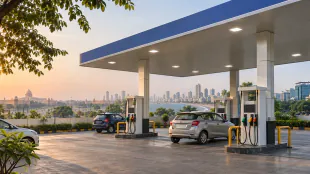 Petrol and diesel prices remain broadly steady across major Indian cities
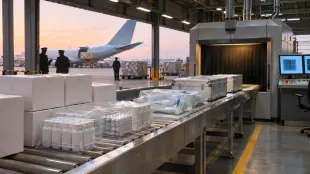
 Reliance shares remain in focus after near-12% surge
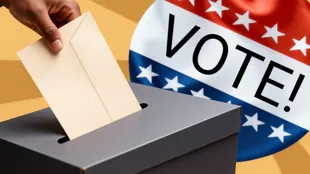 2026 Arizona Midterms: Key Races, Ballot Measures, and Voter Deadlines

 Coal India prepares possible $1 billion Mahanadi Coalfields listing
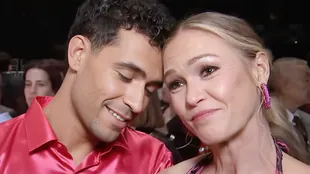 Julia Stiles and Ezra Sosa Share Emotional Farewell After 'DWTS' Elimination

 US Buildings Threatened by Wildfires Could Triple by 2060

 Why Pregnancy Cost Estimates Fail: A Family’s $9,000 Surprise

 US Strikes Iranian Targets in Strait of Hormuz Ahead of Midterms
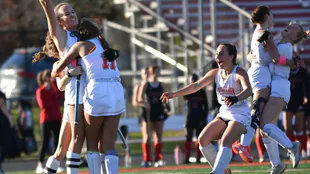 Brodeur’s Overtime Goal Secures Bethlehem’s Second Consecutive Sectional Title

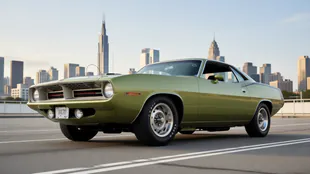 Rare 1970 Plymouth ‘Cuda 426 Hemi Listed for $400,000
 The Digital Burden: Why Instant Messaging Feels Like a Full-Time Job
 Alberta Tabled Controversial Riding Boundary Maps Amid Gerrymandering Accusations

 Hong Kong court set to sentence activist Joshua Wong in security case
 Australia raises benchmark rate to highest level in 18 years

 'The Remarried Empress' Cast Discusses Bringing Fantasy Royal Drama to Life

 Asian stocks retreat as AI worries outweigh steep oil-price drop
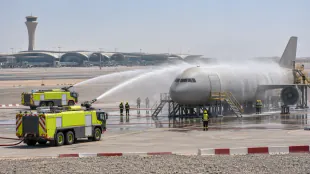 Hamad International Airport stages emergency drills during WATAN 2026
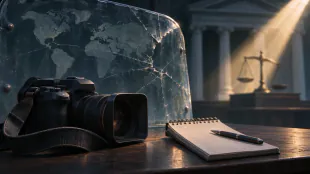 Global failure to punish attacks leaves journalists at continuing risk
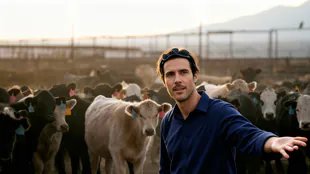 Researchers Warn 'Bookkeeping Trick' Masks Beef Industry's Methane Emissions

 Climate Change Intensified Atlantic Hurricanes, Study Finds
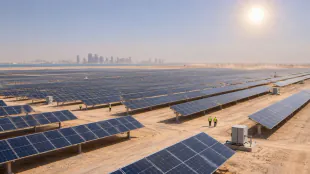 Qatar solar expansion opens scope for technical performance gains

 OMP Extends UnisonIQ with Agent Library and Agent Studio: AI Agents that Produce Executable Supply Chain Plans
Since the January 3 capture of autocrat Nicolas Maduro in a US military raid that killed dozens, Caracas resident "J" has been unable to sleep -- one of countless Venezuelans left psychologically scarred by the event.
When she closes her eyes, she relives the wild shaking of her bed, her teenaged son clinging to her in fear, as explosions lit their apartment in an eery yellow glow and neighbors' screams filled the air.
"I feel insecurity, shame, anger. I feel many things, but mainly I feel fear," the 50-something woman told AFP in a trembling voice weeks after the strike.
"J" and others who spoke to AFP were too afraid to give their names at a time the state machinery is rounding up anyone perceived to support the US attack.
Venezuela was estimated to have hundreds of political prisoners before the US intervention. And though it has started to release them under pressure from Washington, new arrests of government critics have been reported.
"J" is jumpy, wakes up at the slightest noise at night, and has to take sleeping pills to suppress the fear-inducing memory of the pre-dawn attack on the Fuerte Tiuna military complex, just a stone's throw from her Caracas apartment.
In a country that has not seen war since the 19th century, the unprecedented US military incursion rattled many.
"People are deeply affected -- we could even say they're experiencing post-traumatic stress. That means they have sleep problems, recurring thoughts, negative thoughts, intense fear," psychologist Yorelis Acosta told AFP.
"They're truly in a heightened state of alert that requires specialized care."
- 'Have to keep going' -
US President Donald Trump has warned that further military action remains possible in Venezuela if its interim government does not toe Washington's line, especially on access to its vast oil resources.
And this worries Venezuelans who never expected to see American bombs dropped on their cities.
"I know another bombing can happen," said another woman, who called herself "L."
Since witnessing the aerial attack on Fuerte Tiuna, she has a change of clothes hanging near the front door and an emergency grab bag at the ready with canned food, water, a knife and first aid articles.
"I still need to pack a flashlight and some crackers," she said, determined that any future strikes won't "catch me napping."
"I can't put my life on hold just to let terror win. I wouldn't say I don't feel it, but we have to keep going," said L, a mother of two.
She said she had no intention of seeking out therapy in a country where mental health treatment is taboo and an unaffordable luxury for many.
After the US incursion, the Venezuelan Psychologists' Federation extended the hours of its free hotline.
The phones haven't stopped ringing.
Half of the calls are from people with "symptoms linked to anxiety, panic attacks, callers who are highly agitated and distressed," said hotline coordinator Paola Hernandez, a psychologist herself.
- 'We can only pray -
A third woman, who goes by "M," showed AFP a photo on her mobile phone of an orange and gray plume of smoke rises from Fuerte Tiuna.
Then she deleted it.
"I can't be walking around with that," she said. "Imagine if they find it on me in the street."
NGOs including Espacio Publico have reported a trend of warrantless cellphone searches at police checkpoints in Caracas and elsewhere.
Officers comb through phones for words such as "bombing," "Trump" or "Maduro" on messaging platforms, and check people's photo galleries.
For her part, "J" says she is equally scared at home or out on the street.
"We can only pray they don't put us in the same situation again," she said.
"All we have is the here and now."
E.Burkhard--VB