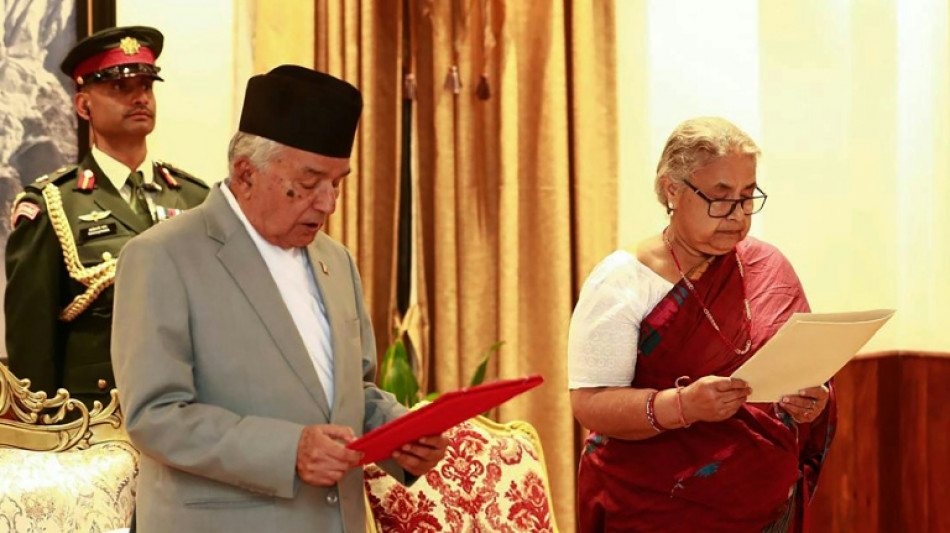
Nepal returns to calm as first woman PM takes charge / Photo: © AFP

 US Supreme Court rules on dragnet searches of cellphone location data
 South Korea fans target coach Hong with boos as World Cup squad returns
 Vaughan calls for England change after Stokes bows out with defeat

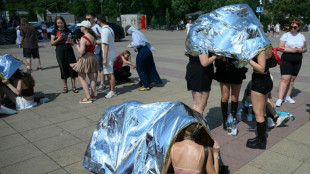 Europe's deadly heatwave scorches east, Slovakia hits record
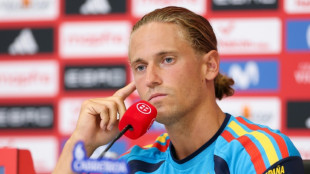
 French Open champ Andreeva sails into Wimbledon second round

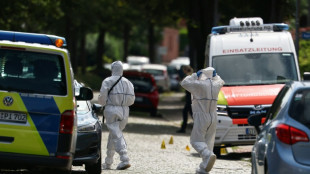 Shooter in custody dispute kills six at German family shelter
 Sinner survives scare and fall to reach Wimbledon second round

 Serena set for much-anticipated Wimbledon return
 Ex-NBA stars Malik Beasley, Ed Davis indicted in betting case

 EU, China bet on talks to avoid trade war
 Pyjamas and bets: Brazil YouTube channel reshapes World Cup viewing

 Queueing, strawberries and all white: it must be Wimbledon
 Stokes backs Brook '100 percent' to succeed him as England Test captain

 Ebola outbreak in DR Congo spreads to fourth province
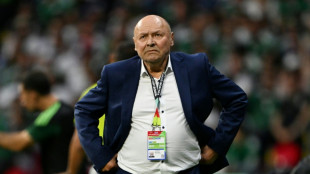 Czech Republic coach Koubek quits after World Cup flop
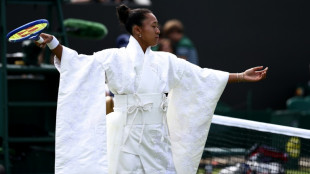
 French parliament adopts bill to regulate fast fashion
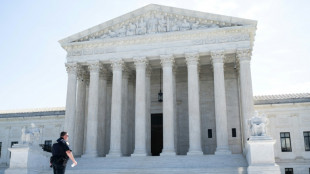 Supreme Court boosts Trump's power to fire officials, but protects Fed
 Three things we learned from the Austrian F1 Grand Prix
 Burnham pledges radical devolution of UK govt if PM
 Polish businesses press Warsaw, Kyiv to end political rift
 Hovland beats Scheffler in playoff for PGA Travelers title
 New Zealand thrash England for series win as Stokes bows out
 Trump says Iran meeting to take place in Qatar
 Spain raises 2026 growth forecast despite Mideast war turmoil
 Kenya-US rare earths deal challenged in court over secrecy

Nepal's capital on Saturday took a step back towards normality after deadly anti-corruption protests, as daily life returned with a curfew eased and an interim prime minister sworn into office.
Soldiers scaled back their presence on the streets, where they had been deployed in large numbers since Wednesday after violent demonstrations toppled the government and left parliament in flames.
At least 51 people were killed in the worst unrest since the end of a decade-long civil war and the abolition of the monarchy in 2008.
On Friday evening, 73-year-old former chief justice Sushila Karki was sworn in as interim leader, tasked with restoring order and addressing protesters' demands for a corruption-free future.
Parliament was later dissolved, elections set for March 5, 2026, and work to restore the government began.
By Saturday morning, the mood on the streets was calmer, with markets opening, traffic returning and families visiting temples.
- 'Satisfied today' -
For many Nepalis, Karki's appointment carried both symbolic weight and the promise of change.
"Nepal has got its first woman prime minister," said Suraj Bhattarai, 51, a social worker.
"We think that the prime minister -- our former chief justice -- will address Nepal's fight against corruption and take good governance forward."
The appointment of Karki, known for her independence, came after intense negotiations by army chief General Ashok Raj Sigdel and President Ram Chandra Paudel, including with "Gen Z" representatives, the loose umbrella title of the youth protest movement.
Thousands of young activists had used the app Discord to debate the next steps -- and name Karki as their choice of next leader.
The new prime minster appeared to be widely welcomed as people sought to put the unrest behind them.
"The interim government decision is good for now,” said Durga Magar, 23, who works in a Kathmandu shop.
"The main issue for the people, especially young people, at this time is corruption," she said.
"It doesn't matter whether it is Gen Z, or anyone older in politics who tackles it -- it just needs to stop", she added.
Protests, which began Monday and escalated on Tuesday, fed into long-standing economic woes in Nepal.
A fifth of people aged 15-24 are unemployed, according to the World Bank, with GDP per capita standing at just $1,447.
"We don't know what will happen in the future now but we are satisfied today and hope it will not remain as tense ahead," Magar added.
- 'Musical chairs' -
Indian Prime Minister Narendra Modi on Saturday offered his "best wishes" to Karki, adding that New Delhi was "firmly committed to the peace, progress and prosperity of the people of Nepal."
Huge challenges remain.
The protesters' hope of rooting out endemic corruption is no easy task, while in terms of security, more than 12,500 prisoners who escaped from jails during the chaos are on the run.
But for many, Karki's swearing-in marks a break from the revolving door of ageing prime ministers who fuelled public anger with endless political horse-trading.
KP Sharma Oli, the 73-year-old leader of the Communist Party, quit as prime minister on Tuesday, ending his fourth term in the post. His whereabouts are not known.
"They were playing a game of musical chairs," said Kathmandu businessman Shikhar Bajracharya, 32.
"There was no possibility for younger people to come into power."
I.Stoeckli--VB