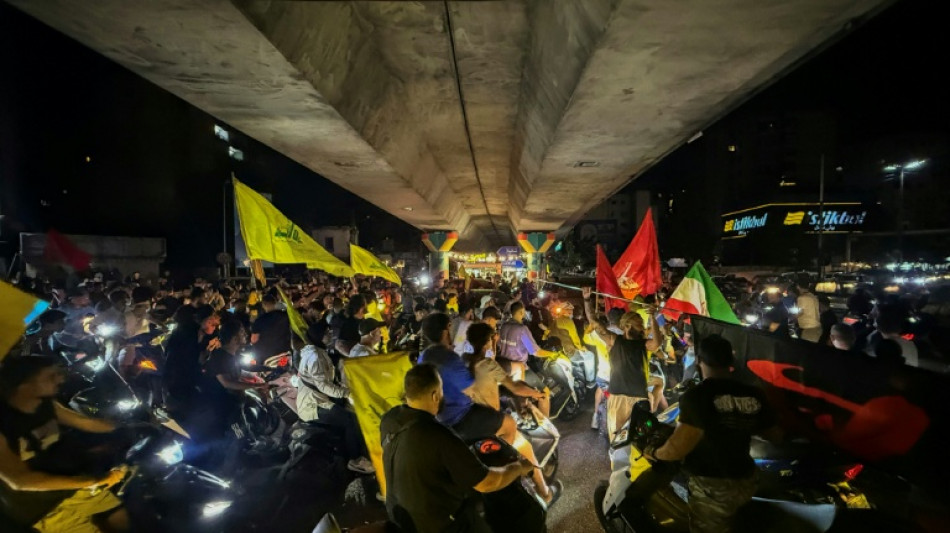
Shiite ministers walk out of Lebanon cabinet discussion on Hezbollah disarmament / Photo: © AFP/File

 'We came from nothing': DR Congo dreams of England World Cup upset

 Peruvian political heir Fujimori wins presidency

 What to expect as EU small parcel levy kicks in

 Nagelsmann says won't 'run away' after Germany World Cup exit
 Paraguay coach salutes 'extraordinary' World Cup win over Germany

 Japan fans stunned as Brazil end their World Cup dream
 'Powerhouse' Haaland leads by example at World Cup: Norway coach Solbakken

 Sadness and joy as breakaway Catholic group nears schism
 Germany dumped out by Paraguay in seismic World Cup shock
 More than 1,000 drones detected since start of World Cup: FBI

 Extreme heat warning issued for World Cup host Kansas City
 Bloodied but unbowed: Sinner, Djokovic survive Wimbledon scares

 Djokovic battles past Wu in 'challenging' Wimbledon first round

 World Bank drops climate finance targets in renewed action plan
 Ancelotti says never doubted 'suffering' Brazil would score

 Venezuela's quake-hit La Guaira port 'operational': US military

 Martinelli late show as Brazil down Japan to reach World Cup last 16

 Madueke says he can be England's World Cup game-changer
 Switzerland returns famed Benin Bronzes to Nigeria

 Last-gasp Brazil down Japan to reach World Cup 16

 Spain confident despite World Cup injury setbacks, says Llorente

 Martinelli scores in 95th minute to send Brazil into World Cup last 16
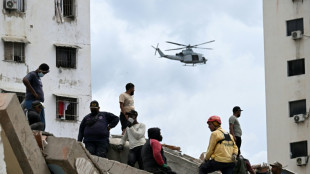 US races to reopen Venezuela port as quake deaths top 1,700

 Latham hails 'old school' New Zealand after downing England

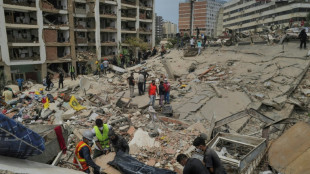 US races to reopen Venezuela port for aid after twin quakes

Shiite ministers walked out of a Lebanese cabinet meeting Friday called to discuss efforts to disarm Hezbollah, state media reported, with the group adamant it would hold onto its weapons.
The walkout by five ministers, including those from Hezbollah and its ally the Amal movement, happened as Lebanon's army chief entered the meeting to present a plan for disarming the group, local media reported.
The official National News Agency (NNA)reported that they had left the meeting, but did not say why.
The Lebanese government had ordered the military to draw up plans to disarm the once-dominant militant group by the end of the year, having come under pressure from the United States and Israeli strikes.
Hezbollah and Amal ministers have three times now walked out of cabinet talks over disarmament. Multi-confessional Lebanon has a sect-based power-sharing system in which legitimacy unofficially derives from consensus.
Politics in the multi-confessional country is delicately balanced along confessional lines, with Sunnis, Shiites, Christians and Druze all represented.
Hezbollah reiterated its opposition to the move on Wednesday, with its parliamentary bloc calling on Lebanese authorities to "reverse their... unpatriotic decision".
The government says disarming Hezbollah is part of implementing the US-brokered ceasefire agreement from November that ended over a year of hostilities between the group and Israel.
- Israeli strikes -
Friday's cabinet session comes amid intensified Israeli air strikes on southern Lebanon over the past two days, which killed at least five people, according to the health ministry and the NNA.
David Wood, a senior Lebanon analyst at the International Crisis Group, told AFP that "Israel is trying to send a message that only concrete action on disarmament, rather than pledges and words, will do the job".
Should the cabinet approve the plan, Wood said Hezbollah could consider other options like pressuring Shiite ministers to resign or "trying to organise mass protests".
In an attempt to ease tensions, speaker of parliament and head of the Amal movement Nabih Berri had called on Sunday for discussions to be "a calm and consensual dialogue".
Fadi Makki, the only Shiite minister not affiliated with Hezbollah or Amal who also walked out on Friday, told AFP before the meeting began that there were "no details yet" on the army's plan.
In late August, Prime Minister Nawaf Salam said "the path of monopolising arms, extending state authority and monopolising decisions on war and peace is a path that has begun and there is no turning back".
Ahead of the session, posters depicting Salam and Lebanese President Joseph Aoun were put up in the streets of Beirut with the caption: "We are all with you. One army, one arsenal, one state. A new era for Lebanon".
- Power shift -
Hezbollah was the most powerful political force in Lebanon before its most recent war with Israel, able to sway and disrupt governments.
The balance of power has since shifted, with Hezbollah badly weakened by the war as well as the overthrow of its ally Bashar al-Assad in Syria.
"A solution must be found, and it is preferable that it be done in a proper manner, and that disarmament be achieved through mutual understanding," Abdul Rahman Trabulsi, a 60-year-old Beirut resident, said, adding that he believes Hezbollah's role "has ended".
In contrast, Ali Khalil, a 20-year-old restaurant worker, said that "weapons will not be taken, it's impossible," adding, "let them go first and fix the government and the state, then think about the weapons".
"If they decide today to seize the weapons, there will be a confrontation," he added.
The group's leader Naim Qassem accused Lebanon's government of handing the country to Israel by pushing for its disarmament.
Qassem also said Hezbollah and Amal had postponed a previous call for protest to allow room for discussion and "to make adjustments before we reach a confrontation that no one wants".
However, he added, "if it is imposed on us, we will face it".
Hezbollah was the only group to keep its weapons after Lebanon's 1975-1990 civil war, doing so in the name of resistance against Israel, which occupied the south until 2000.
E.Gasser--VB