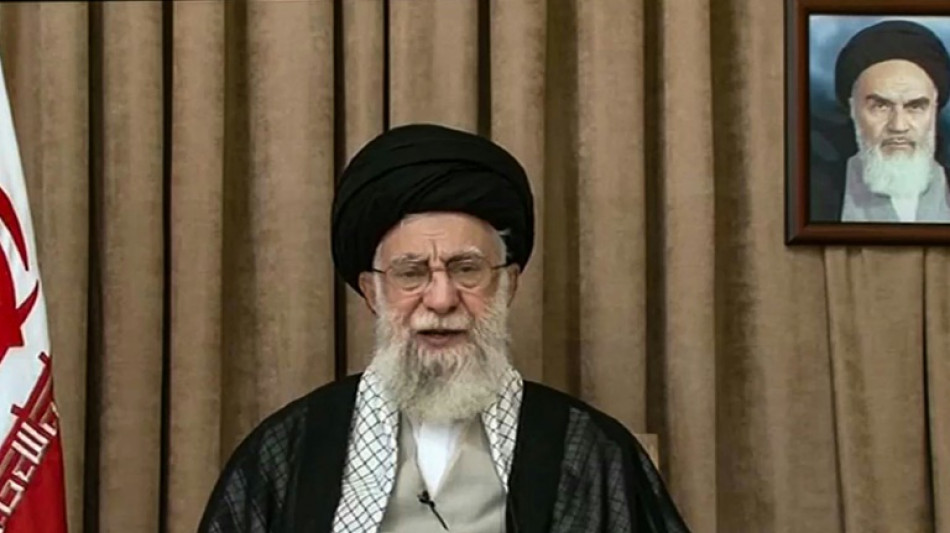
Alive but weakened, Iran's Khamenei faces new challenges / Photo: © IRIB NEWS AGENCY/AFP

 Russia strikes Ukraine capital with missiles and drones, wounds five
 Belgium late show floors Senegal at World Cup
 Harry Kane: England's World Cup saviour

 US actor Danny Glover says he has Alzheimer's
 Trump sees progress as US, Iran hold Qatar talks
 Djokovic, Sinner into Wimbledon third round, Andreeva stunned
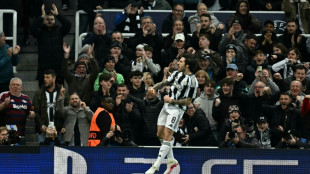 Spurs agree club record £100 mn move for Newcastle's Tonali - reports
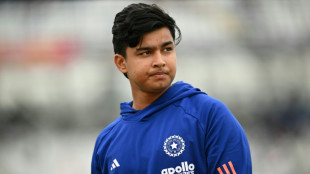 Rain has final say in 1st England-India T20 as Sooryavanshi still awaits debut
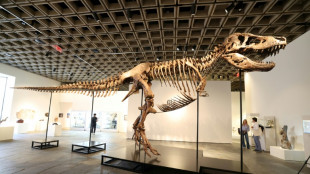
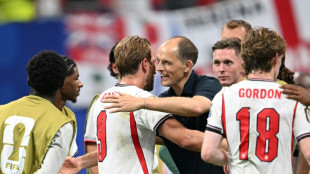 England refused to accept defeat in 'beautiful' DR Congo win, says Tuchel
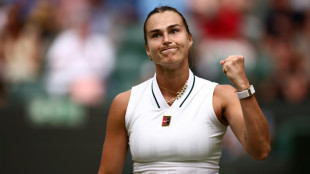 'Let the dogs in': Sabalenka wants Wimbledon to lift ban
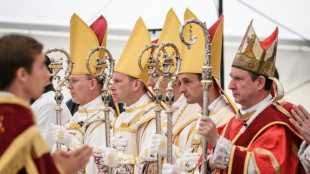
 Oppressive heat broils US during World Cup, July Fourth
 Can anyone stop France at the World Cup?
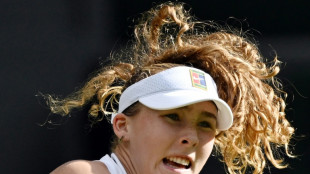
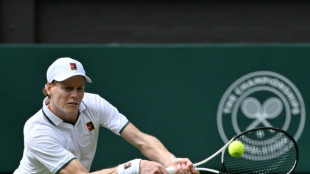 Sinner, Sabalenka into Wimbledon third round, Andreeva stunned
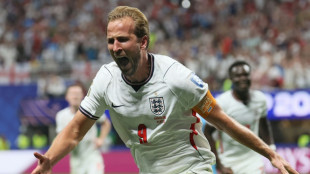
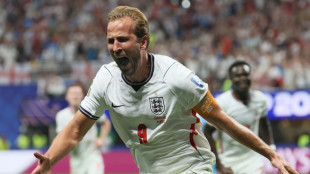
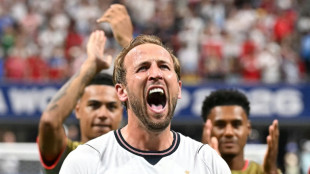 England have 'hero moments', says Kane after double downs DR Congo
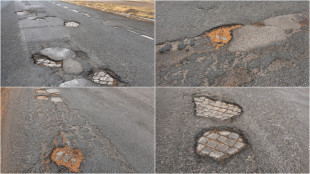
 努莎·奧貝爾:為市民實施時速10公里限速,波茨坦的「坑洞政策」——是漠不關心還是無能為力?
 US refuses to extend North America trade pact in current form
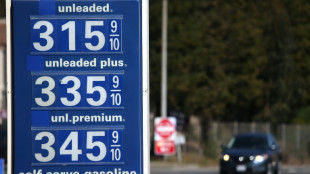 Mixed US auto sales in 2nd quarter amid high gas prices
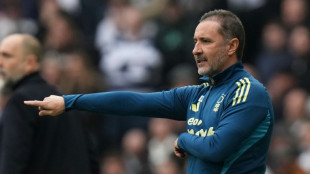
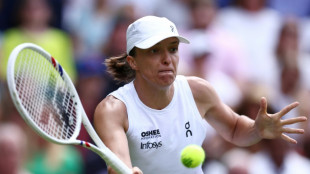 Swiatek, Zverev hoping to lay down Wimbledon markers
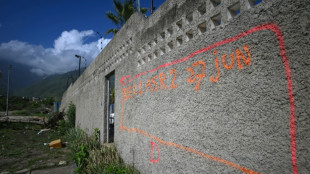 Spray-painted letters spell tragedy for Venezuela quake victims
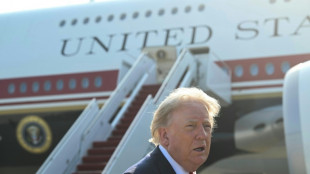 'Everybody's profiting': Trump defends $1bn crypto earnings
 WTA Finals moved from Riyadh to Indian Wells
 Messi returns 'home' to lead Argentina World Cup charge in Miami
 England skipper Sciver-Brunt 'threw everything' at World Cup semi-final return
 Stocks mixed with eyes on US Fed
 Trial begins for suspected mastermind of Malta journalist killing
Iran's supreme leader, Ayatollah Ali Khamenei, has re-emerged after the war with Israel but faces a struggle to maintain the authority he has wielded over the Islamic republic in over three-and-a-half decades of rule, analysts say.
After days of silence, Khamenei appeared on Thursday in a video address to proclaim "victory" and prove he is still alive following the 12-day conflict with Israel which ended with a truce earlier this week.
But Khamenei, appointed Iran's number one and spiritual leader for life in 1989, spoke softly and hoarsely in the address, without the charismatic oratory for which he is known.
Whereas his regular interventions before the war usually took place in public in front of an audience, this message was filmed against a plain backdrop of curtains and a picture of revolutionary founder Ayatollah Ruhollah Khomeini.
This may indicate he could still be in hiding after Israel refused to rule out seeking to assassinate him.
On Thursday, Israel's Defence Minister Israel Katz told media that the military would have killed Khamenei during the war if the opportunity had presented itself.
"If he had been in our sights, we would have taken him out," Katz told Israel's public radio station Kan, adding that the military had "searched a lot".
But in the end, the conflict did not trigger the removal of the system that has ruled Iran since the 1979 revolution.
Still, it enabled Israel to demonstrate military superiority and deep intelligence penetration of Iran by killing key members of Khamenei's inner circle in targeted strikes.
The war was also the latest in a series of setbacks over the last year for Khamenei.
These include the downgrading of pro-Tehran militant groups Hamas and Hezbollah in conflicts with Israel and the fall of Iran's ally in Syria Bashar al-Assad, against the background of economic crisis and energy shortages at home.
"At this time, the regime does not seem to be on the verge of falling but it is certainly more vulnerable than it has been since the early years after the revolution," said Thomas Juneau, professor at the University of Ottawa.
- 'Diminished figure' -
"The authority of the supreme leader has therefore certainly been undermined," Juneau told AFP.
"Even though his position remains secure, in that there is unlikely to be a direct challenge to his rule for now, he has lost credibility and bears direct responsibility for the Islamic republic's major losses."
Khamenei is 86 and suffers the effects of a 1981 assassination attempt in Tehran which paralysed his right arm, a disability he has never made any attempt to hide.
But discussion of succession has remained taboo in Iran, even if Western analysts have long eyed his son Mojtaba as a possible -- but far from inevitable -- contender.
Arash Azizi, visiting fellow at Boston University, said Khamenei looked "frail and weak" in his televised message in "a far cry from the grand orator we know".
"It's clear that he is a diminished figure, no longer authoritative and a shadow of his former self," he said.
"Power in Tehran is already passing to different institutions and factions and the battle for his succession will only intensify in the coming period."
Khamenei has come through crises before, using the state's levers of repression, most recently during the 2022-2023 protests sparked by the death in custody of Mahsa Amini, an Iranian Kurd detained for allegedly breaching Iran's strict dress code for women.
Rights activists say hundreds of people have been arrested in a new crackdown in the wake of the conflict.
- 'Sidelined'? -
The New York Times and Iran International, a Persian-language television channel based outside Iran that is critical of the authorities, have said Khamenei spent the war in a bunker avoiding use of digital communication for fear of being tracked and assassinated.
Iran International reported that Khamenei was not even involved in the discussions that led to the truce which were handled by the national security council and President Masoud Pezeshkian. There has been no confirmation of this claim.
Jason Brodsky, policy director at the US-based United Against Nuclear Iran, said Khamenei appeared "frail and hoarse" and also "detached from reality" in insisting that Iran's nuclear programme did not suffer significant damage.
"Nevertheless, I remain sceptical of the theories that Khamenei has been sidelined," he told AFP.
"I have no doubt the war will prompt a debate within the Islamic Republic's political elite as to how best to rebuild the system's capabilities, but in the end, the buck has always stopped with Khamenei," he said.
R.Buehler--VB