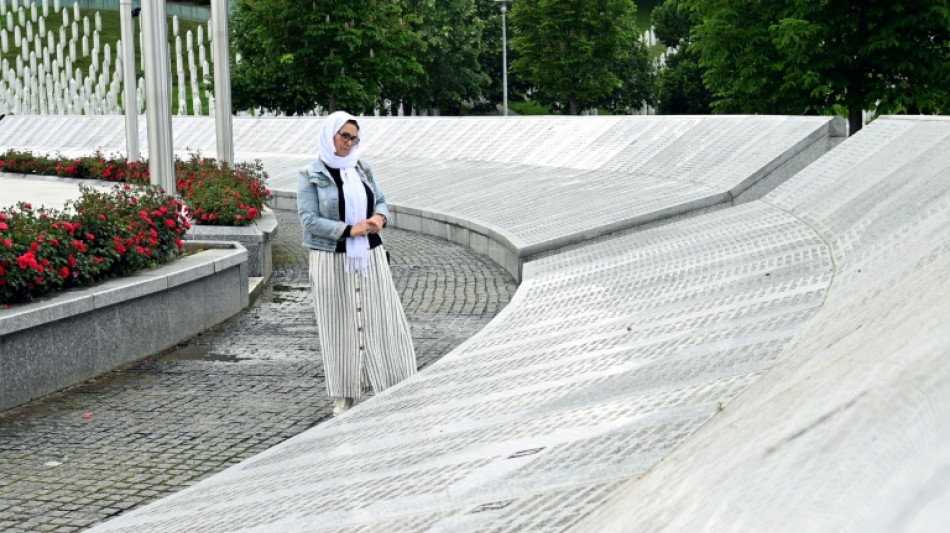
UN to vote on declaring Srebrenica genocide memorial day / Photo: © AFP

 Arteta targets more Arsenal glory after signing new deal until 2030

 Russell hit with Singapore grid penalty for taking new power unit

 Spotify expands audiobooks to more than 180 markets

 French-Japanese duo wins chemistry Nobel for solving molecular 'mystery'

 England's Nations League surge helps heal World Cup wounds

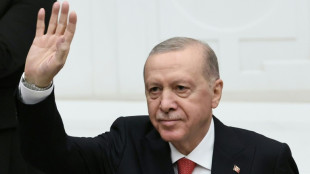 Mayor of opposition stronghold Izmir defects to Erdogan party
 Mertens beats Gauff to set up Swiatek clash at China Open
 Benin full of pride at role in Messi's last dance

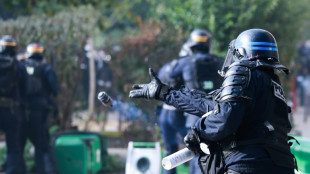 France suspends stun grenade use at student protests ahead of PM speech
 Indonesian court hears 'negligence' complaint against state over fires, haze

 Rubio in Greece to urge against Western civilisation 'decline'
 Micron workers at Taiwan plant vote in favour of strike
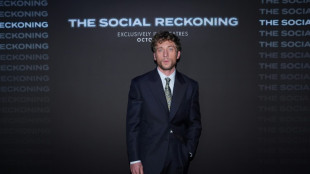 In 'The Social Reckoning,' Jeremy Allen White takes on Facebook's 'frightening' ambition
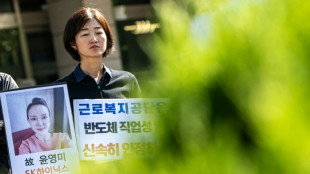 Chip industry activists call for South Korea to recognise cancer cases
 Famine-scarred southern Madagascar braces for El Nino
 How the EU regulates lobbyists
 I.Coast refuge offers lifelong care for youngsters scorned as 'sorcerers'

 Indian central bank hikes rates for first time in more than 3 years
 Hotel Blacklist Launches New Accommodation Industry Risk Assessment Tool
 Bangladesh nuclear plant draws hope -- and worry

 US beat Canada 1-0 to wrap up four-win international break
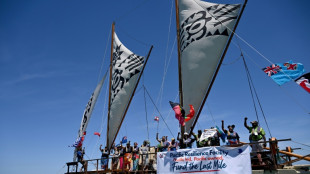
 Turkey, Australia's joint COP31 leadership raises doubts

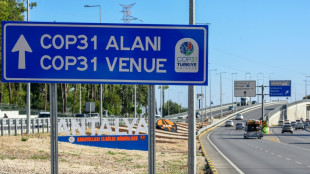 For Turkish NGOs, COP31 offers rare space for action

 Sleep, appetite, gene-editing experts contend for Nobel chemistry prize
 Nobel Peace Prize haunted by the 'spectre' of Trump

The UN General Assembly will vote Thursday on establishing an annual day of remembrance for the 1995 Srebrenica genocide, despite furious opposition from Bosnian Serbs and Serbia.
The resolution written by Germany and Rwanda -- countries synonymous with 20th century genocides -- would make July 11 International Day of Remembrance of the Srebrenica Genocide.
Serbia's government says an attempt is underway to blame Serbians in general and President Aleksandar Vucic said he would be at the United Nations to "fight with all my strength and heart" in opposition to the initiative.
Serbian Foreign Minister Marko Djuric promised to "protect our country and our people from a long-term stigma."
Bosnian Serb forces captured Srebrenica -- a UN-protected enclave at the time -- on July 11, 1995, a few months before the end of Bosnia's bloody civil war, which saw approximately 100,000 people killed.
In the following days, Bosnian Serb forces killed around 8,000 Muslim men and teenagers -- a crime described as a genocide by the International Criminal Tribunal for the former Yugoslavia (ICTY) and the International Court of Justice.
The incident is considered the worst single atrocity in Europe since World War II.
In addition to establishing the memorial day, the draft resolution condemns "any denial" of the genocide and urges UN member countries to "preserve the established facts."
In a letter from Germany and Rwanda to the rest of the United Nations, the vote was described as a "crucial opportunity to unite in honoring the victims and acknowledging the pivotal role played by international courts."
- Threat to peace, security -
However, there has been a furious response from Serbia and the Bosnian Serb leadership.
In an attempt to defuse tensions, the authors of the draft resolution added -- at Montenegro's request -- that culpability for the genocide is "individualized and cannot be attributed to any ethnic, religious or other group or community as a whole."
That has not been enough for Belgrade.
In a letter sent Sunday to all UN delegations, Serbian charge d'affaires Sasa Mart warned that raising "historically sensitive topics serves only to deepen division and may bring additional instability to the Balkans."
Russia's UN ambassador, Vasily Nebenzia, called the draft text "provocative" and a "threat to peace and security."
According to Nebenzia, the resolution seeks to "erase" what he called the "shameful evidence" of NATO bombing of the former Yugoslavia in 1995 and 1999 by "pinning all the blame on the Serbs."
Milorad Dodik, political leader in the Bosnian Serb entity -- where thousands of people demonstrated this April against the draft resolution -- said the Srebrenica genocide had been a "sham."
The European Union has responded strongly, with foreign affairs spokesman Peter Stano saying "there cannot be any denial" and "anyone trying to put it in doubt has no place in Europe."
For relatives of the victims of the genocide, the UN debate is an important moment in their quest for peace.
"Those who led their people into this position (of genocide denial) must accept the truth, so that we can all find peace and move on with our lives," said Kada Hotic, 79-year-old co-director of an association of Srebrenica mothers, who lost her son, husband and two brothers.
The resolution is "of the highest importance for spreading the truth," said Denis Becirovic, the Bosnian member of Bosnia and Herzegovina's tripartite presidency.
M.Schneider--VB