UN says Sudan resources fuel civil war / Photo: © AFP

 Israel opposition holds narrow edge over Netanyahu in first projections

 Floriani hits maiden goal as Lazio go top
 Trump set to drastically loosen oil and gas sector's methane rules

 Storied Paris department store seeks bankruptcy protection
 Xhaka, Embolo can return to Swiss squad after fake Covid docs affair

 Allegri suspended for two Serie A games after red card

 Flight data, satellite images reveal growing US role at Ecuador base
 McInnes feels 'guilt' ahead of Hearts return with Rangers

 Brazil's Lula turns 81, vows to work '24 hours a day'

 Boeing releases cautious growth plan as shares fall sharply

 Exiled Russian dissident Navalnaya warns dictators becoming 'more cunning'
 Bayern 'risk' reaps huge reward for Ballon d'Or winner Kane

 Record turnout as Israeli voters deliver verdict on Netanyahu

 Iraola says Isak 'feels the trust' after Liverpool scoring streak

 French media protest manhandling of journalists at far-right party rally

 EU seeks deportation powers for beefed up border agency
 Two charged with UK security offences over airbase plot: police

 Maresca defends Donnarumma, Guehi after Man City defeat
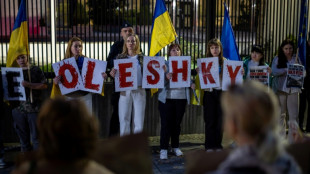 Nordic leaders call Putin as local truce begins in Ukraine

 Osaka unveils crane outfit in Tokyo before win over Paolini

 Ronaldo in line for Portugal return after fallout with coach

 Norway media take legal action to block Meta from using content

 Bayern praise 'humble' Kane after Ballon d'Or win

 Colts retain Daniel Jones as starter despite continued offensive struggles

 Madushanka wrecks Pakistan as Sri Lanka press for final slot
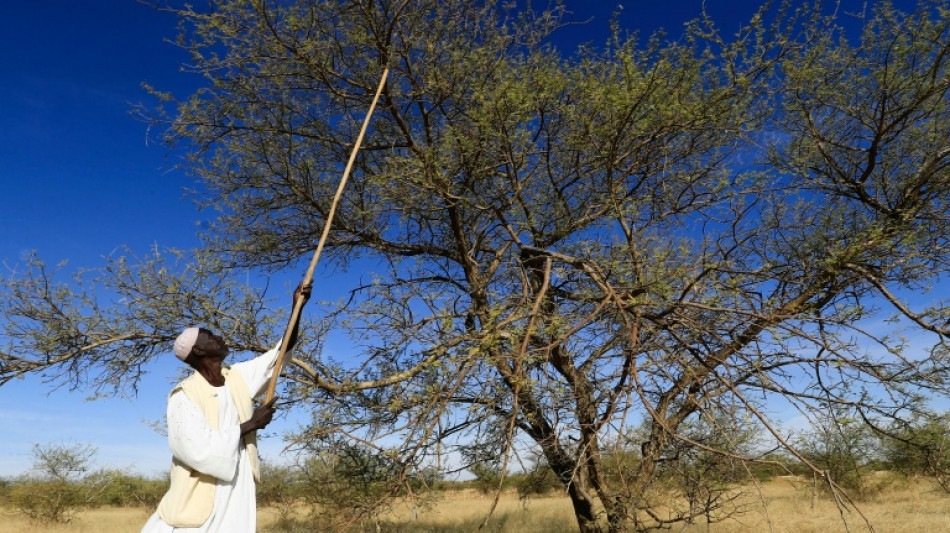
Sudan's rival factions are profiting from control over the country's resources and the "war economy" was sustaining the conflict, the United Nations said Wednesday.
To fund the growing cost of military operations, the two sides rely on exploiting territory, trade routes, and commodities, contributing to a conflict that has become "increasingly self-perpetuating", said the UN human rights office OHCHR.
The war between Sudan's regular army and the paramilitary Rapid Support Forces (RSF), that erupted in April 2023, has killed 200,000 people by some estimates and displaced upwards of 11 million. Several areas of Sudan have been plunged into hunger and famine.
OHCHR called on the two sides, and corporations involved in collecting and selling Sudanese commodities, to ensure compliance with international law.
"Sudan's vast wealth of natural resources should benefit its people," said UN rights chief Volker Turk.
"Distressingly, what we are seeing today is anything but that. In fact, this wealth is only serving to undermine human rights and drive conflict, bringing pain and suffering on an enormous scale.
"This war economy must be disrupted, and the international community must pay much closer attention to the commodities and trade routes that help keep it alive."
- Gum arabic trade -
OHCHR issued a report focusing on the trade in gum arabic -- a key ingredient in products ranging from soft drinks, to cosmetics and pharmaceuticals.
Sudan accounted for 70-80 percent of global crude gum arabic exports before the war.
Although modest in export value compared with other commodities, it is an important income source for millions of Sudanese, and remains one of the country's most internationally relied-upon exports.
The report found that many who depend on the gum arabic trade have faced looting, extortion, arbitrary detention and threats -- particularly at the hands of the parties to the conflict and their allies.
In May 2025, for instance, the Gum Arabic Exchange and its warehouses, plus part of the local market in El-Nuhud in West Kordofan state, were reportedly looted by the RSF when stocks were full and ready for export.
This severely disrupted local trade and livelihoods, the report said.
OHCHR said that Sudan's gum arabic trade had been reshaped by the fragmentation of the country since the war started.
Gum arabic from areas controlled by the armed forces goes towards Port Sudan for export, while significant quantities from RSF-controlled areas have been redirected to neighbouring countries via cross-border smuggling routes.
The report said this may then be treated and traded as locally-produced, making its origin hard to verify.
Turk, the UN high commissioner for human rights, urged countries and companies linked to trade in Sudanese commodities, including gum arabic, to ensure their business was not fuelling the conflict or damaging human rights.
He urged countries to strengthen accountability, traceability and regulatory oversight and respect human rights.
"Companies cannot continue business as usual when sourcing from conflict-affected value chains," Turk said.
S.Leonhard--VB