Five battleground issues in UK general election / Photo: © AFP

 Court orders German ex-spy chief kept in jail after spying, treason arrest
 Guinea caps bottled water prices after sachets banned

 Spared, married, hanged: the last weeks of Iranian protester Alireza Sepahi
 Nobel physics winner's pride at pioneering AI role

 IMF preparing El Nino assistance, concerned about AI bubble burst: chief to AFP

 West must embrace 'national power' or face decline: Rubio
 Shell refining margins reach record highs as wars hit supply
 Former Spain, Barca winger Pedro retires from football
 Arteta signs new Arsenal deal until 2030

 Stocks decline as oil climbs on Mideast flareup

 Gauff says online abuse was 'draining' after China Open exit

 As sector struggles, Porsche puts luxury ahead of volume
 'It's personal': Fiji minister pushes better climate finance at pre-COP

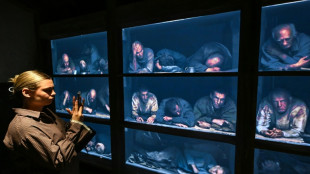 Russia glosses over dark Soviet past in reinvented museum

 UK tax body opened probe into Man City in 2018: FT

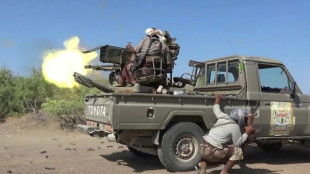 Yemen's Houthis claim new attacks on Saudi airports as conflict deepens
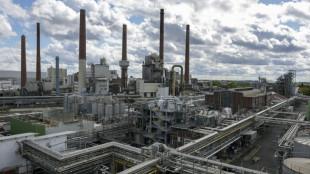 Germany factory production at highest level for 18 months
 Thailand floods death toll rises to 60 since mid-September
 US pushes Russia for information on plague reports

 Myanmar leader lands in Malaysia for migrant return talks

 Indian central bank hikes rates for first time since 2023
 US military on Okinawa face curfew, alcohol ban after murder case
 Fierce lobbying in EU over 'forever chemicals'

 Dodgers beat Braves and Padres avoid sweep in MLB playoffs
 Mourning, war and elections as Israel marks October 7

Britain is facing six weeks of political campaigning after Prime Minister Rishi Sunak announced on Wednesday that a general election will be held on July 4.
Here are five issues expected to dominate campaigning as the ruling Conservatives, in power since 2010, seek to fight off a resurgent Labour opposition.
- Immigration -
Sunak wants to fight the election on immigration, long a highly charged political issue championed by British right-wing parties.
The UK leader, whose parents of Indian descent emigrated from East Africa in the 1960s, has announced several initiatives aimed at cracking down on record levels of regular migration.
He has also pledged to cut irregular migration by stopping small boat crossings of asylum seekers from France, in part by threatening to send them to Rwanda.
The crossings continue though and the government's increasingly expensive Rwanda plan has so far failed to take off.
Labour also argues that migration is too high and has said it will "smash the gangs" of people smugglers operating in Europe.
- Economy -
Britons are still feeling the pinch of a years-long cost-of-living crisis that sent mortgage payments and energy bills through the roof, crippling household incomes.
Sunak is claiming credit for reducing inflation to 2.3 percent from a high of 11 percent but has failed to spur economic growth, with the UK falling into recession last year.
The Tory leader has announced tax cuts to try to woo voters, insists his economic plan is working, and claims that Labour would take the economy "back to square one".
But Labour, historically vulnerable to attacks on its economic record, has courted business by putting fiscal prudence at the heart of its campaign and ruling out major spending plans.
It says ex-prime minister Liz Truss's disastrous October 2022 mini-budget that wiped billions off pension funds and devalued the pound shows the Conservatives cannot be trusted on the economy.
- Climate -
The Conservatives' long-standing target is to achieve net-zero carbon emissions by 2050, which the UK government is legally obliged to pursue.
Sunak has watered down how that will be achieved though by pushing back a ban on the sale of new petrol and diesel cars from 2030 to 2035 in an attempt to draw dividing lines with Labour.
Labour this year ditched its flagship commitment to spend £28 billion a year on green infrastructure after coming under repeated attack from Sunak over how it would pay for it.
Labour insists it is still committed to its ambitious target of achieving clean power by 2030 and has promised to spend £8.3 billion creating a publicly owned clean energy company called Great British Energy.
- Health -
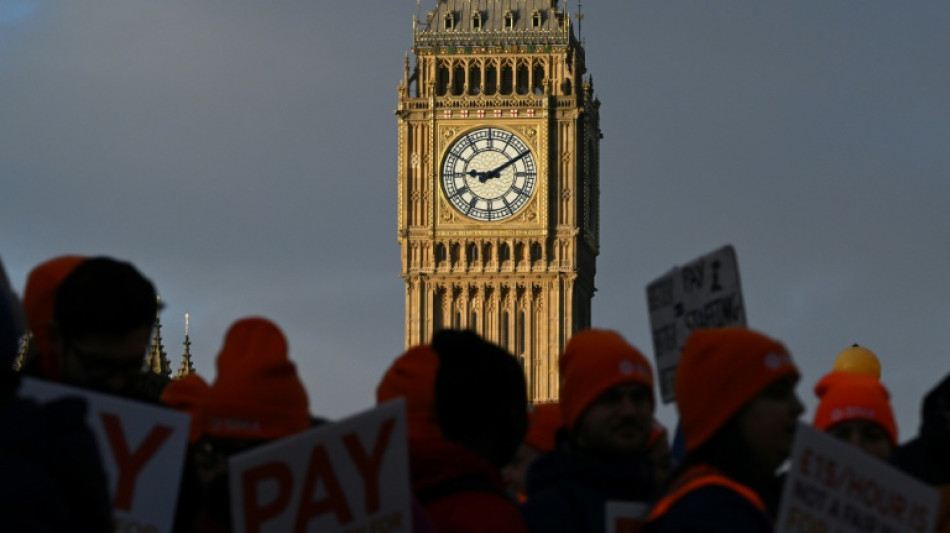
The UK's National Health Service (NHS) is creaking badly under the strains of huge waiting lists and repeated strikes by doctors seeking higher pay, with health professionals decrying years of under-investment and below-inflation wage increases.
Cutting waiting lists is one of Sunak's top priorities, but some seven million were awaiting treatment at the end of last year, well up from the 4.6 million in December 2019 before the Covid-19 pandemic.
Labour has pledged two million more appointments in its first year in power by paying NHS staff more to work evenings and weekends. It has also promised reforms, saying the publicly funded service cannot be fixed with money alone.
- Security -
Sunak has put the nation's security on the ballot paper by claiming that Britain would be less safe under Labour.
On a trip recent to Poland he announced plans to increase Britain's defence spending to 2.5 percent of GDP by 2030 in the face of rising threats from Russia, Iran and others.
Labour is also committed to the target when economic conditions allow and leader Keir Starmer has said that security would be the "first priority" of his administration.
Sunak also talks regularly about extremism, warning of attempts by activists to undermine British democracy and criticising massive pro-Palestinian protests against the war in Gaza.
P.Vogel--VB