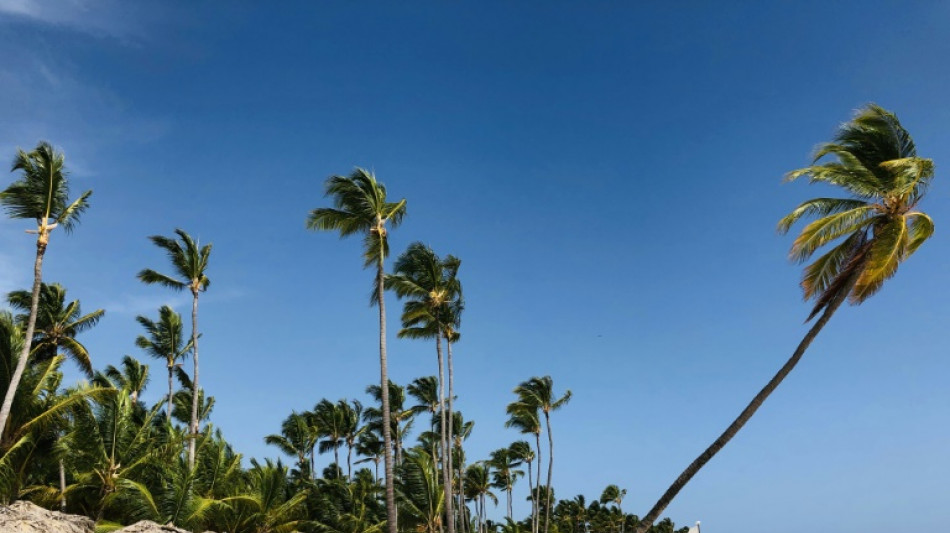
The Dominican Republic: from Columbus to cruise ships / Photo: © AFP

 WhiteBIT Launches Bitcoin Lightning Network Support, Powered by Voltage

 Oil surges, stocks sink as US reportedly eyes fresh Iran strikes
 Anne Carson: modern takes on Greek classics
 Canada's Anne Carson wins Nobel literature prize
 Ethiopia drones hit Eritrean troops in Tigray
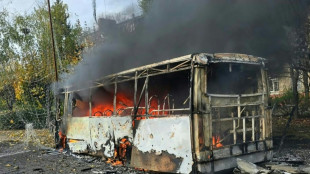 Russian strike on buses kills 30 in frontline Ukrainian city
 Thailand begins extradition process against Chinese journalist

 Quarantine, unease and rumours: Russian city grapples with plague scare
 Taiwan says exports hit record in September on AI demand
 Marc Marquez vows to 'attack' Martin's lead at Indonesian MotoGP
 Diplomats, schools in Saudi take safety measures after blasts heard: sources to AFP

 In Beijing, EU trade envoy says deficit with China 'unsustainable'
 Sri Lanka's de Silva quits as Test captain
 Alcaraz feeling 'mentally fresh' ahead of Shanghai return
 Israel drastically reduces British diplomatic presence in Jerusalem
 Stocks fall further as oil surge fans fresh inflation worries

 North Korea demands South show 'utmost respect' to restore relations
 Saudi says three dead in airport attacks claimed by Houthis

 'Mad dream': New showcase for African film opens in London

 All Blacks coach Rennie says Wallabies exit 'part of the game'

 The growing protests against India's poll body - and PM Modi
 Stocks fall further as oil spike fans fresh inflation worries
 Bad COP, worse COP? EU tempers hopes for UN climate summit

 Rookie Henry named in Wallabies midfield to face All Blacks
 Housing crisis set to dominate Spain's snap election
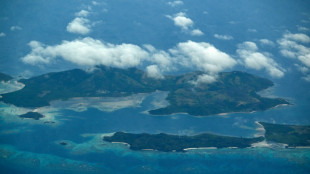
The Dominican Republic, a top tourist destination in the Caribbean, stands in stark contrast to its violence-plagued, unstable neighbor Haiti.
Here are five things to know about this country ahead of Sunday elections.
- Colonial Spanish hub -
The Dominican Republic covers two-thirds of the island of Hispaniola, the anglicized version of "La Isla Espanola, as it was dubbed by Christopher Columbus in 1492.
A few months after first making landfall in the Americas, the explorer made his way to Hispaniola where he later established the first Spanish settlement in the New World.
The island became a key hub for further Spanish exploration and conquest in the region.
In the 17th century, Hispaniola was divvied up between France and Spain, with France acquiring the western part (Haiti) and Spain the eastern part (then known as Santo Domingo, now the Dominican Republic).
Most of the Dominican Republic's Spanish-speaking 11.2 million inhabitants (World Bank, 2022) are descendants of European colonialists and African slaves.
- Two's a crowd -
Haiti and the Dominican Republic have a fractious history.
In 1822, Haiti colonized Santo Domingo but it regained its independence in 1844.
Throughout the 20th century, impoverished Haitians sought to carve out a better life in the Dominican Republic, becoming targets of resentment and racism, which boiled over into the massacre of thousands of Haitians in 1937 under the orders of Dominican dictator Rafael Trujillo.
The collapse of Haiti's economy and its descent into gang warfare following a devastating earthquake in 2010 exacerbated the migrant crisis in the 21st century.
To reduce the migrant flow, Dominican authorities are building a 174-kilometer (108-mile) concrete wall along the 380-kilometer border with Haiti.
Haiti's plans to build a canal on a river shared by both countries added to the tensions last year, prompting the Dominican Republic to close its land, sea and air links with Haiti for three weeks.
- Tourism hotspot -
The Dominican Republic is one of the fastest-growing economies in Latin America, with GDP expected to expand by 5.1 percent in 2024, according to the World Bank.
A major sugar and tobacco producer, it has successfully diversified its economy to include manufacturing, tourism and the services sector.
In 2023, it welcomed over eight million foreign visitors, according to the UN's tourism agency, many of them cruise ship passengers drawn by its pristine beaches and colonial architecture.
- 'Air Cocaine' -
The strategically located Dominican Republic is a leading Caribbean transit hub for cocaine being trafficked from South America to North America and Europe.
According to the US Justice Department, Dominican drug syndicates use vessels such as yachts and fishing boats to smuggle the drug into American territory.
In 2013, Dominican police made a spectacular bust when they found 26 suitcases filled with cocaine on board a Falcon 50 jet as it prepared to take off from the Dominican beach resort of Punta Cana to Saint-Tropez in the south of France.
The two French pilots, who denied any knowledge of the drugs being onboard, were initially convicted but later cleared of any involvement.
- Baseball-mad -
Dominicans, like many people in the Caribbean, are mad about baseball, or "la pelota", which has provided a ticket off the island to fame and riches in the US for generations of players.
Sammy Sosa (Chicago Cubs), David Ortiz (Boston Red Sox) and Pedro Martinez (also Boston) are just some of the Dominicans who have helped write Major League Baseball history.
The Dominican Republic was also the first country to win both the Baseball World Cup (1948) and the World Baseball Classic (2013).
L.Stucki--VB