Up to 45% of dementia risk can be prevented, delayed: WHO / Photo: © AFP

 Pierce Brosnan and Helen Mirren on the joys of filming 'MobLand'

 S.African activists push back on data centre rush
 Judges set to rule on Australian mushroom killer's appeal

 Syria reopens Jordan border crossing after mending ties

 Cyclone Arnab lashes India coast, no deaths reported

 Trump tamed after US midterms? Europe doubts it

 Tech stocks soar as SK hynix adds to rising AI confidence

 Sri Lanka's Tamil farmers fight to reclaim land after civil war

 Afghans compete for jobs, homes as millions return

 'They don't care about us': Trump food aid cuts leave Americans struggling and angry

 Meta, Snap head to trial in another case about social media's harms

 French Senate passes bill to make protesters pay for unrest damage

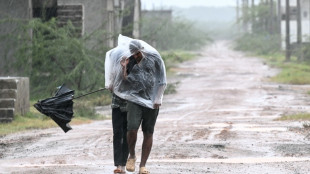 India evacuates tens of thousands as Cyclone Arnab makes landfall
 In tight Israel vote, both camps hold out cautious hope

 AI chip giant SK hynix says quarterly operating profit soars 630%

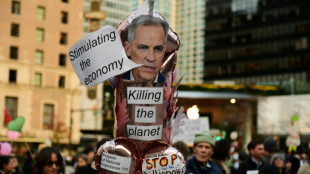 Youths testify about 'despair' in unprecedented Canadian climate trial

 Syria, Jordan agree to mend ties after deadly strike
 Arsenal stunned by fourth-tier Fleetwood in League Cup

 Last-gasp Sabitzer strike sends Dortmund past Bremen in German Cup
 Rights groups reject Emirati diplomat for UN top job

 Flavio Bolsonaro headed to US after Brazil election defeat: US media
 Alcaraz and Zverev win Vienna openers

 Tech firms gain ahead of Fed decision, results from AI giants

 Syria condemns deadly Jordan strikes as 'unacceptable violation'

 England's Fin Smith in race against time to face Australia

Up to 45 percent of dementia risk could be prevented or delayed, the World Health Organization said Wednesday, citing modifiable risk factors such as tobacco and air pollution.
Dementia is the seventh leading cause of death and a major cause of disability and dependency among older people globally.
Dementia is caused by brain diseases and affects memory, thinking and the ability to function.
"While there is no cure for dementia, up to 45 percent of the risks can be attributed to modifiable risk factors such as tobacco, alcohol use, social isolation, physical inactivity, air pollution and noncommunicable diseases (NCDs), including high blood pressure and diabetes," the WHO said in a statement.
More than 57 million people live with dementia worldwide and nearly 10 million people get diagnosed every year, it said.
Alzheimer disease is the most common form of dementia and is estimated to account for 60 to 70 percent of cases.
"Behind these numbers are individuals, families, and communities navigating profound challenges that affect not only health, but dignity, independence, and well-being," said Devora Kestel, director of the WHO's NCDs and mental health department.
"This is not a distant issue; it touches all of us," she wrote in a foreword to updated WHO guidance published Wednesday on how health workers and policymakers can help prevent or delay the onset of dementia.
The UN health agency issued its first dementia recommendations in 2019, but said the evidence base had grown significantly since.
The guidelines aim to promote early awareness and intervention in a bid to reduce the burden of dementia in the coming decades, it said.
Although more common after 65, the condition is not an inevitable part of ageing, the WHO insisted.
- Focus on prevention -
"We know more today than ever before about what drives dementia risk, and these guidelines translate that knowledge into action," said WHO chief Tedros Adhanom Ghebreyesus.
"Countries now have clear, evidence-based recommendations they can put into practice immediately to protect people's cognitive health."
Because there is no cure for dementia or widely accessible treatment, the guidelines emphasised that prevention remains the most effective strategy to reduce the number oc cases.
Among other things, the WHO suggested cognitive stimulation and training for adults experiencing mild cognitive impairment.
The WHO said better management of conditions like hypertension, diabetes and high cholesterol could also help reduce dementia risk.
And it recommended stronger integration of services for NCDs, mental health and brain health.
The WHO insisted investments in reducing the dementia risk would pay dividends, with the condition estimated to cost the global economy $1.3 trillion annually -- around half of which is unpaid care provided by family and friends.
"Understanding risk factors and taking action to prevent dementia can improve health and quality of life, helping people live longer, healthier and more independent lives," it said.
E.Gasser--VB