Dutch EU opt-out on asylum could take 'years': Wilders to AFP / Photo: © ANP/AFP

 Bid by Italy's Intesa bank to take over MPS gets boost
 Stablecoins Are Quietly Becoming Business Infrastructure, NOWPayments Data Shows
 Oil surges, stocks sink as US reportedly eyes new Iran strikes

 Woman in botched US execution walking, mentally 'foggy': lawyer
 Farhan hopes Pakistan's new combination takes off in Sri Lanka T20Is

 Teenager Andreeva seals China Open semi-final with Bartunkova
 Britain's Burnham says open to Germany joining warplane project
 Kovac's tough love has Dortmund dreaming of title charge

 China announces candidate for WHO chief

 South Korea test-fires its first homegrown hypersonic weapon: presidency

 ONAR Advances Nasdaq Listing Preparation Following Advertise Purple Acquisition and Financing

 Thailand opens extradition process for reporter sought by China
 France struggles to wean social housing off gas
 Germany lifts GDP forecast as economy withstands Iran war
 Sri Lanka appoints Kusal Mendis as Test captain
 Norris confident McLaren can shine in Singapore
 Alex Bodi pushes ahead with expansion: ALIX LASERS showroom planned for Bucharest
 Fossil fuels off COP31 agenda as global output keeps rising

 Haze not 'a threat' to Singapore F1 race: organisers
 COP31 organisers say to seek 'ambitious' action with their text
 Bartunkova thrashes Muchova to reach China Open semi-finals
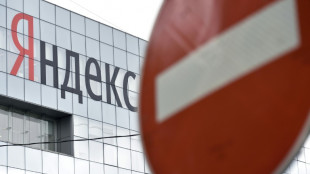 Drone hits Yandex data centre, in first such attack on Russia

 Oil prices surge and stocks sink on fresh inflation worries

 AI startup Manus raises $500m after Meta acquisition blocked by China
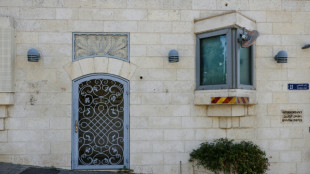
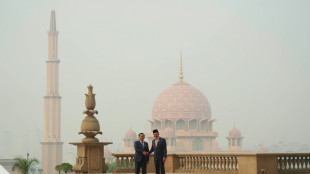 From refuge to repatriations: Malaysia's Myanmar U-turn

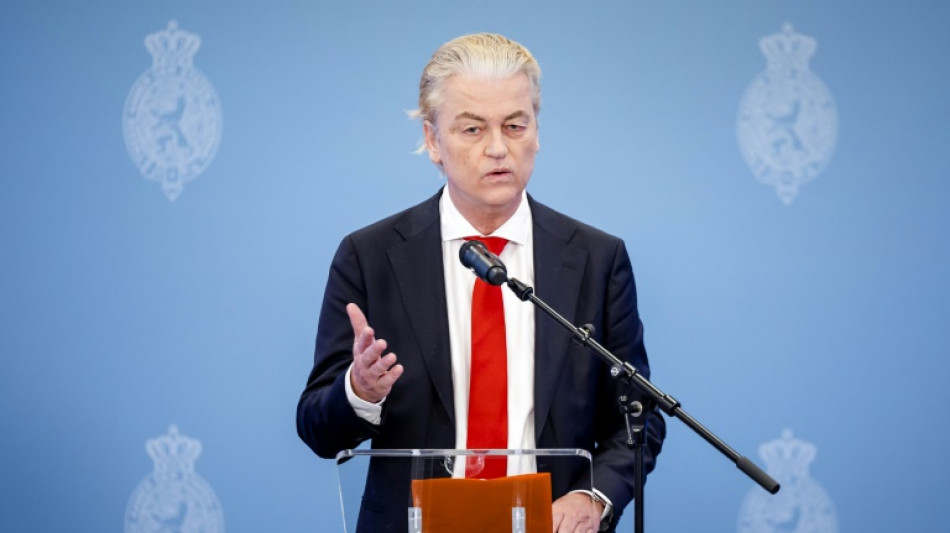
Far-right leader Geert Wilders told AFP Thursday it could take "years" for the Netherlands' new government to fulfil its pledge to opt-out of the EU asylum system, but vowed the nation would enforce its strictest asylum policy ever.
Speaking to AFP after clinching a coalition deal six months in the making, Wilders said: "We will try to get a so-called opt-out for asylum, as the Danish have. That might take years if it is successful anyway."
Denmark negotiated a deal to exclude the country from being bound by common EU asylum policies and the new Dutch government plans to ask the European Commission for the same as soon as possible.
But Wilders said that in the short-term, the new right-wing government would aim to use Dutch law to restrict what he called an "influx of asylum-seekers" in the Netherlands.
"What we have today in our agreement is really the most tough anti-asylum (policy) ever being implemented in the Netherlands," he told AFP.
The far-right leader also vowed to implement border controls to enforce the stricter asylum policy.
In the early hours of Thursday morning following marathon talks, top Dutch politicians finally sealed a deal outlining policies for a coalition in the coming years.
But it still remains to be seen who will be prime minister of the EU's fifth-largest economy and key NATO member.
Wilders himself reluctantly shelved his ambitions to be leader amid widespread unease over his anti-Islam, anti-European views.
- 'Hope, courage, and pride' -
The 26-page coalition agreement, titled "hope, courage and pride", also calls to examine the idea of moving the Dutch embassy in Israel from Tel Aviv to Jerusalem.
Jerusalem is claimed by both Israelis and Palestinians, but most governments avoid putting embassies there in order not to prejudge the outcome of negotiations for a lasting peace.
"Taking into account solutions to the Israel-Palestinian conflict and diplomatic interests, we will examine when the embassy can be moved to Jerusalem at an appropriate time," said the report.
Wilders admitted that this too would take time.
"We are making a survey, so it's not going to happen tomorrow... but I hope it will not be in a few years' time either," he told AFP.
"It will be a very happy day when that happens... it's historic that it has a place in the coalition agreement," he added.
On foreign policy, the coalition parties committed to keeping the Netherlands as a "constructive partner" in the European Union and supporting Ukraine "politically, militarily, financially, and morally."
The deal says the Netherlands will "adhere to the existing agreements" on climate, but warns "if we don't achieve the goals, we will make alternative policies".
- Four-party coalition -
All eyes are now on who will replace current Prime Minister Mark Rutte, who is almost certain to be tapped as the new NATO secretary general.
The coalition parties appointed civil servant Richard van Zwol as the so-called "formateur" who will oversee the formation of a cabinet, but he is not the intended PM candidate.
The main contender looks to be former education and interior minister Ronald Plasterk, who also played a key role in overseeing the initial talks.
In March, the four parties agreed to aim for a partially technocratic cabinet made up of 50 percent politicians and 50 percent from outside politics.
The far-right has gained in elections across Europe but has struggled to translate votes into power as other parties refuse to work with them.
"It's a worrisome day. We now have a radical right-wing party under Wilders that finds itself at the centre of power in the Netherlands," said opposition leader Frans Timmermans from the Greens-Left alliance on Wednesday.
But Wilders told reporters it was a "historic" day that his far-right PVV Freedom Party was now in government -- "at the centre of power.
"We are writing history today... the sun is going to shine again in the Netherlands," said Wilders.
R.Flueckiger--VB