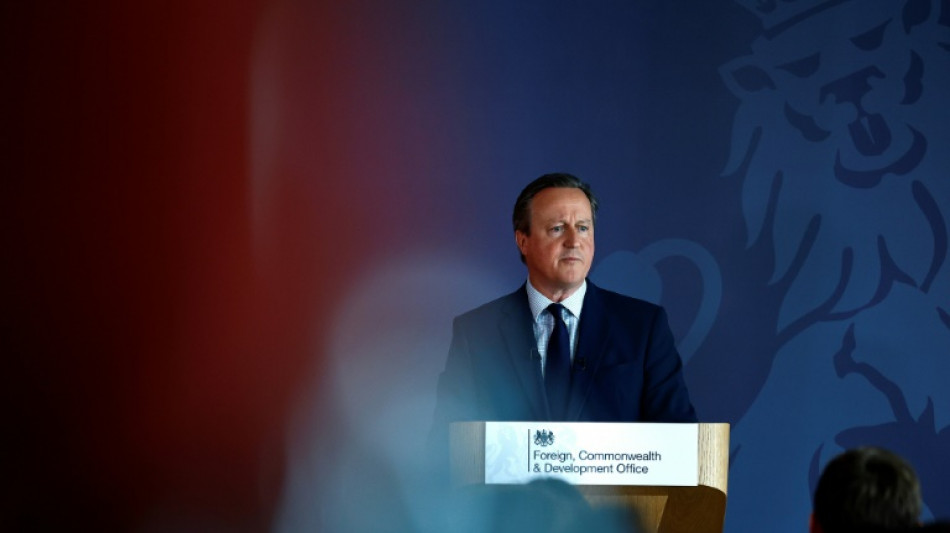
UK's Cameron urges NATO countries to boost defence spending / Photo: © POOL/AFP

 Noosha Aubel: €143,056 in annual basic pay — while Potsdam’s residents are expected to serve as cash cows
 Cristiano Ronaldo provisionally suspended by Portugal after walkout
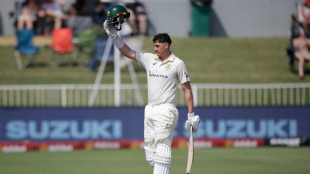 Brilliant Renshaw ton puts Australia in strong position

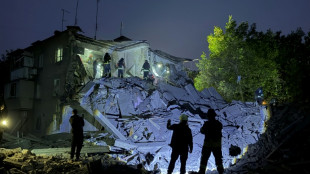 Zelensky blasts diesel deal after Russian strikes kill 15
 Cristiano Ronaldo provisionally suspended after Portugal walkout
 Alcaraz through in straight sets on Shanghai Masters opener
 Palmer signs contract to stay at Chelsea until 2034
 India detains 'cockroach' movement leaders in bid to thwart election protest
 Proposed next EU budget cut back in search for deal
 All Blacks learn from 'failed' Springboks series to punish Wallabies
 Marquez grabs MotoGP championship lead after Indonesia sprint chaos
 All Blacks extend Eden Park streak with big win over Wallabies
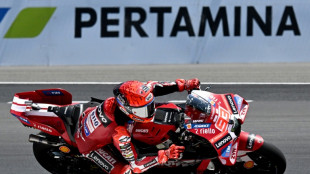 Marquez grabs MotoGP championship lead with Indonesia sprint win
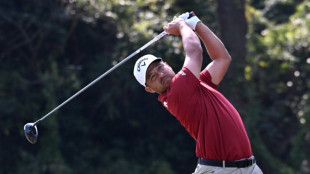 Schauffele closes in on leaders after 'weird' round in Japan
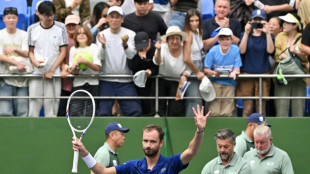 Medvedev through at Shanghai Masters in first match since disqualification
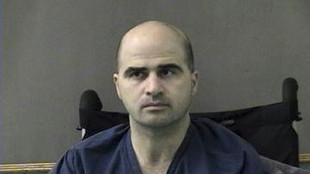 Trump sows doubt on plan to livestream US military execution
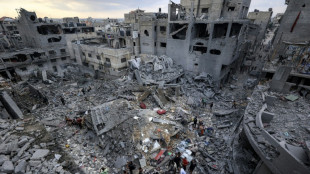
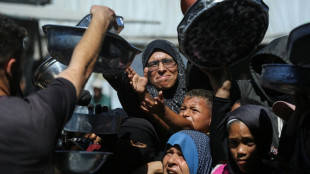 Hunger and malnutrition stalk Gazans, a year on from ceasefire
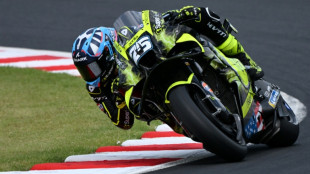 Fernandez trumps MotoGP championship duo to grab Indonesia pole
 October 7 scars push Israel's first-time voters to right
 India deploys police, restricts transport ahead of major protest
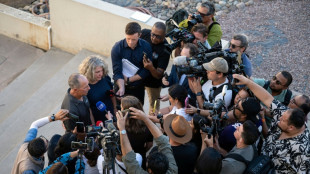 Three Mexicans convicted in murders of Australian, US surfers
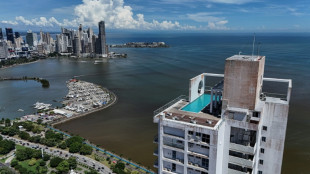
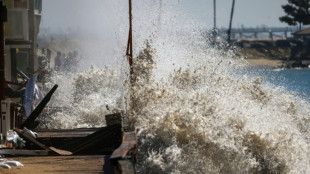 Powerful waves lash California coast as storm threatens more damage

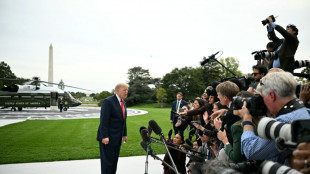 Trump hails Russia deal to release diesel as midterms loom
 Lyon blow chance to go top after loss at Lens
 Stocks rise as Trump says Russia to release diesel to world markets

UK Foreign Secretary David Cameron on Thursday urged NATO partners to soon start spending 2.5 percent of GDP on defence, during a major speech in which he called for a more muscular approach to Western foreign policy.
Cameron -- a former UK prime minister -- said countries need to take more assertive action to protect their interests from emerging threats, including from Russia and Iran.
"We are in a battle of wills. We all must prove our adversaries wrong: Britain, and our allies and partners around the world," he added.
Cameron used the keynote address at the National Cyber Security Centre in central London to call for NATO countries to boost defence spending above a two percent target agreed 10 years ago.
He called on countries in the 32-member Western defence alliance to "out-compete, out-cooperate and out-innovate" adversaries.
"The upcoming NATO summit must see all allies on track to deliver their pledge made in Wales in 2014 to spend two percent on defence.
"And we then need to move quickly to establish 2.5 per cent as the new benchmark for all NATO allies."
Last month, UK leader Rishi Sunak announced during a visit to Poland that London would gradually boost defence spending to 2.5 percent of GDP by 2030.
He singled out "an axis of authoritarian states", including Russia, Iran, North Korea and China as being behind the increase in global threats.
Cameron argued that the UK needs to invest in old alliances, including the G7 of the world's richest nations and the Five Eyes intelligence-sharing network with the United States, Australia, Canada and New Zealand.
But he added that Britain also needs to forge new partnerships, like the AUKUS alliance with the US and Australia, post-Brexit.
"We need to adopt a harder edge for a tougher world. If Putin's illegal invasion teaches us anything, it must be that doing too little, too late, only spurs an aggressor on," he said.
"We need to be tougher and more assertive," he added, calling for Britain and the West to have "the courage to act".
Cameron, who resigned as prime minister in 2016 after Britons voted to leave the European Union, was last November plucked from the political wilderness by Sunak to be foreign secretary.
He has spent much of that time touring the globe, giving a higher profile to the UK on the world stage than in recent years, when the country's focus was on Brexit and its chaotic aftermath.
Cameron noted that the world was a more dangerous place than when he was last in office, particularly from malign foreign influence.
The UK has pointed the finger at China and Russia for meddling in domestic affairs, including this week when London said it would expel a Russian military attaché for being an "undeclared military intelligence officer".
R.Flueckiger--VB