Cuba's Diaz-Canel poised for second term in sewn-up vote / Photo: © AFP/File

 Google rolls back new satellite image AI tool after backlash
 Ryu leads in bid for third straight major at women's British Open

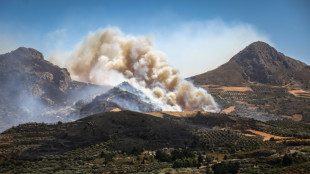
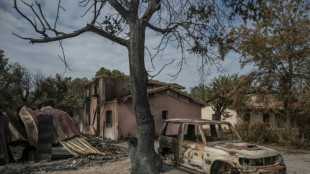 Fire-hit France region 'coming up for air' as main blaze calms
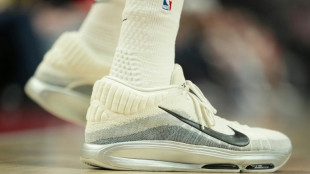 Wembanyama to get signature shoe in Nike contract extension: reports
 Oil giants report blowout profits on war, warn high gas prices could persist
 Google launches new satellite image AI tool, alarming researchers
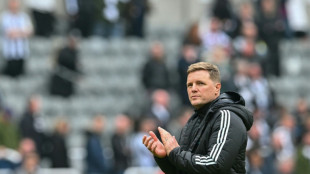 Eddie Howe resigns as Newcastle boss to 'recharge'
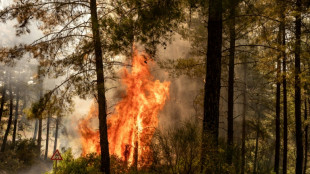 High winds hamper firefighting efforts in western Turkey
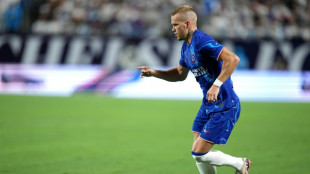
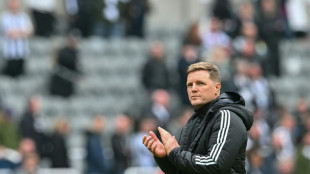 Howe resigns as Newcastle boss
 Full-scale tour will benefit All Blacks, says coach Rennie
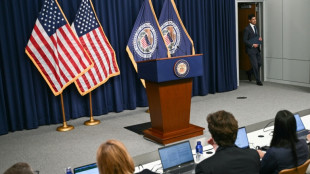 US Fed dissenters call for rate hikes over sustained inflation
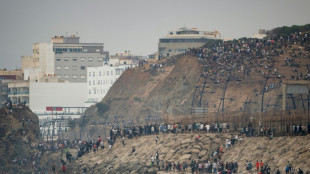 Trump and far-right seize on Spanish migration crisis

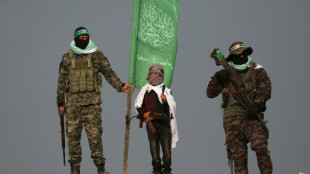 Hamas agrees to disarm under Trump plan
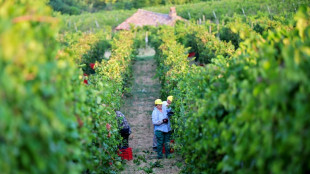 French, Italian winegrowers face earliest ever harvest
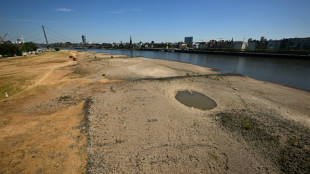 Alarm over climate-linked low level of German waterways
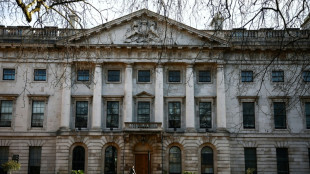 UK court rejects challenge against new Chinese embassy in London

 New York sues online prediction markets giant Kalshi
 Commerzbank agrees to talks with UniCredit after two-year standoff
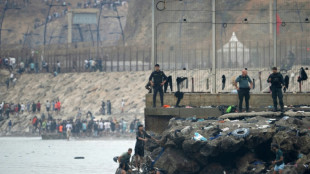
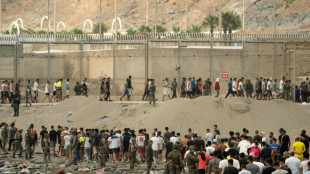
 A rumour, a rush: chaos at Morocco border with Spain's Ceuta
 Fornaro Legal Releases Guidance to Help Businesses Maintain Clear Ownership Records During Growth
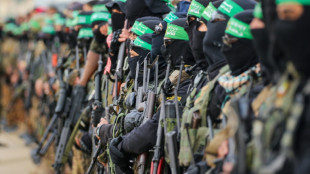 Hamas agrees to disarm: what are the challenges ahead?
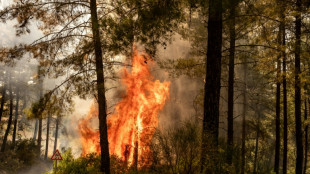 Turkey fights to last major blaze inland from Bodrum
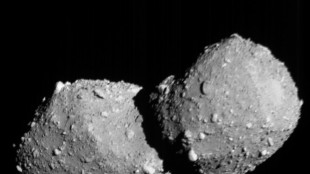 Japan probe made closest-ever asteroid flyby: space agency

 Wildberries: 'Russia's Amazon' targeted by Ukraine

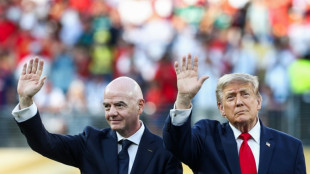 FIFA plan hit by senior advisor resigning, AFC opposition
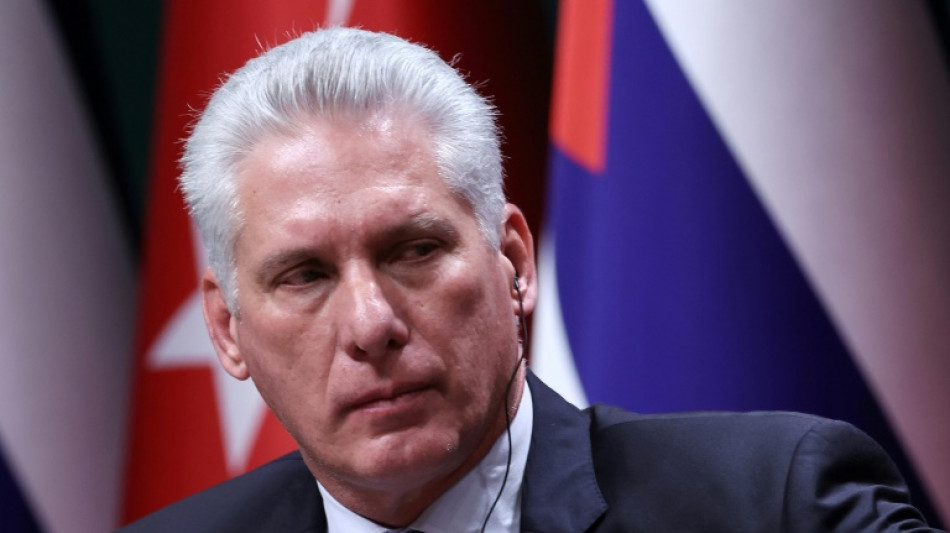
Cuba's President Miguel Diaz-Canel was all set to clinch a second five-year term via a parliamentary vote Wednesday as the sole candidate in a country where political opposition is illegal.
Diaz-Canel took over the reins in 2018 as Cuba's first civilian leader after nearly 60 years of Castro brother hegemony, vowing to "always defend the party" even as he set out in pursuit of cautious economic liberalization.
In 2021, he also took over as first secretary of the Communist Party of Cuba (PCC) -- the country's most powerful position, long held by revolutionary leader Fidel Castro and then his brother Raul.
Now 62, Diaz-Canel's first term was marked by the worst economic crisis in three decades and a widely criticized response to historic anti-government protests, which triggered a tightening of US sanctions.
He will be keen for another stab at reform, recently telling the pan-Arab television channel Al Mayadeen he was "dissatisfied" that his efforts at addressing Cuba's economic woes had not been "more efficient, more effective."
Under Diaz-Canel, an electronic engineer by training, Cuba partly opened the economy to small businesses in hundreds of sectors previously under exclusive state control.
Two years ago, he initiated a monetary reform that ended artificial parity with the US dollar but fueled inflation and sharply devalued the local currency -- another blow to an ailing economy hard hit by US sanctions in place since 1962 and a tourism dip brought on by the coronavirus pandemic.
The reforms under Diaz-Canel "have not meant a complete and comprehensive transition to a mixed economy" as most companies in Cuba are still state-controlled, analyst Arturo Lopez-Levy, of the Autonomous University of Madrid, told AFP.
"Some economic changes have not taken place, and others that have taken place, have left much skepticism," said Lopez-Levy.
- No more Castro -
Long-suffering Cubans face daily shortages of food, medicine and fuel, and since the arrival of mobile internet in 2018 they have increasingly taken to social media to voice their dissatisfaction.
But in 2021, the largest protest since at least the 1959 revolution was met with a harsh response that left one dead, dozens injured and more than 1,300 imprisoned, according to rights observers.
Since then, Cuba has experienced an unprecedented exodus, with more than 300,000 of its nationals leaving for other shores in 2022 alone.
"The poor handling of the protests" was the biggest black mark on Diaz-Canel's record, said analyst Jorge Duany, of the Florida International University.
His biggest achievement?
"The transition to a regime headed by a new generation born after 1959 that does not bear the Castro name," Duany said.
Cuba's electoral authorities will officially announce the sole candidate for the presidency on Wednesday, and another for the vice-presidency.
The PCC-aligned National Assembly will then hold a special sitting to approve the selection and elect 21 members of its own executive Council of State.
Under Cuban law, a president can serve no more than two successive terms.
J.Fankhauser--BTB