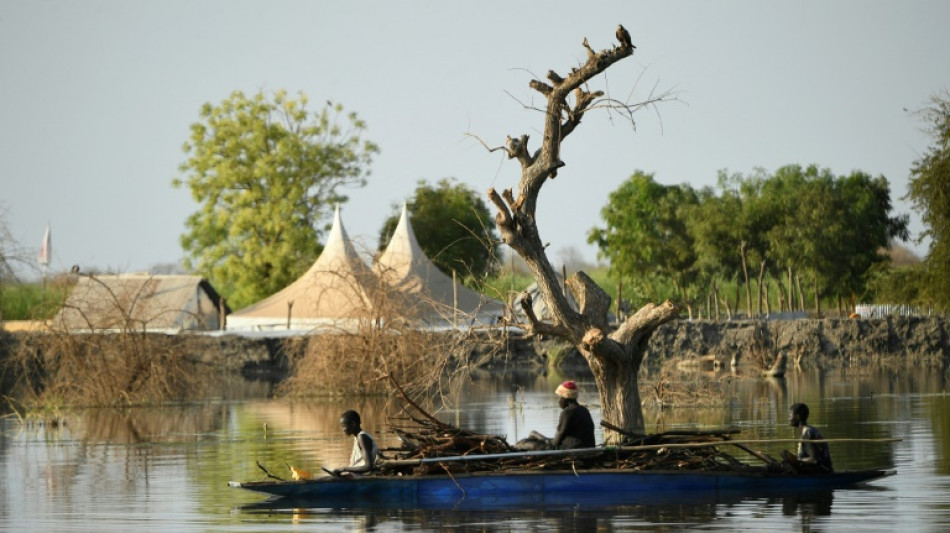
Nearly 1 in 4 South Sudanese affected by recurring floods: report / Photo: © AFP/File

 Hunter Bell cruises to Commonwealth gold, Pathirage stuns javelin stars

 Amazon surges as US stocks shrug off bond yield worries

 Google rolls back new satellite image AI tool after backlash

 Ryu leads in bid for third straight major at women's British Open

 Fire-hit France region 'coming up for air' as main blaze calms
 Wembanyama to get signature shoe in Nike contract extension: reports
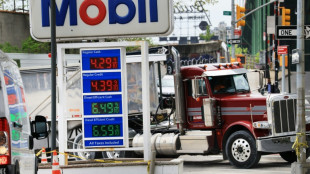 Oil giants report blowout profits on war, warn high gas prices could persist
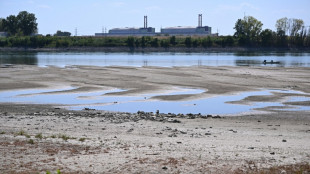
 Google launches new satellite image AI tool, alarming researchers

 Eddie Howe resigns as Newcastle boss to 'recharge'
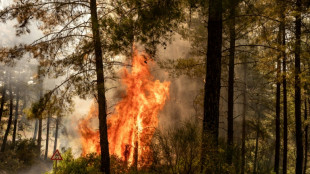 High winds hamper firefighting efforts in western Turkey

 Howe resigns as Newcastle boss
 Full-scale tour will benefit All Blacks, says coach Rennie

 US Fed dissenters call for rate hikes over sustained inflation
 Trump and far-right seize on Spanish migration crisis

 Hamas agrees to disarm under Trump plan
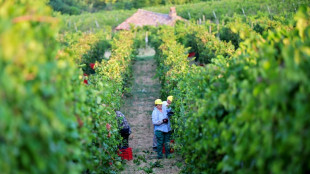 French, Italian winegrowers face earliest ever harvest

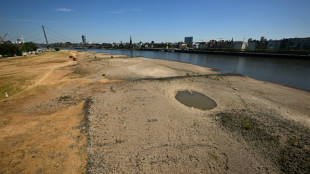 Alarm over climate-linked low level of German waterways

 UK court rejects challenge against new Chinese embassy in London

 New York sues online prediction markets giant Kalshi

 Commerzbank agrees to talks with UniCredit after two-year standoff
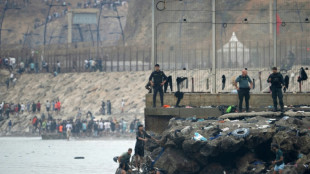
 A rumour, a rush: chaos at Morocco border with Spain's Ceuta
 Fornaro Legal Releases Guidance to Help Businesses Maintain Clear Ownership Records During Growth
 Hamas agrees to disarm: what are the challenges ahead?

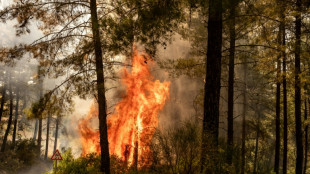 Turkey fights to last major blaze inland from Bodrum

 Japan probe made closest-ever asteroid flyby: space agency

Nearly a quarter of South Sudan's population has been affected by years of unprecedented flooding, according to a report Tuesday by the UN Development Programme and the government's relief and rehabilitation commission.
Four straight years of flooding have impacted more than 2.6 million people across the world's newest nation, forcing many to turn to wild fruits and leaves for sustenance, the report said.
"Roads and bridges have been washed away, health facilities abandoned or destroyed, crops and pastures submerged under water, families destroyed and parents separated from their children," the commission's chairman Manase Lomole Waya said.
The floods also led to the deaths of 172 people caught by rising waters, the report said.
"The affected people and communities are mainly relying on support of relatives and friends, fishing, eating wild fruits and leaves, selling animals, as well as the limited humanitarian assistance supplied," it said.
The annual floods since 2019 -- a recent phenomenon that many experts link to climate change -- have turned 10 percent of the country's arable land to swamp at a time when two out of three South Sudanese do not have enough to eat.
The country has already had to grapple with deadly conflict, natural disasters, economic malaise and relentless political infighting since winning independence from Sudan in 2011.
Since then it has spent more than half its existence at war, with nearly 400,000 people dying during a five-year civil conflict that ended in 2018.
Last November, the United Nations warned that around two-thirds of South Sudan's population of 11 million people were at risk of severe hunger, surpassing levels seen even during the conflict in 2013 and 2016.
The UN blamed the humanitarian disaster on a combination of violence, poor macroeconomic conditions, extreme climate events and spiralling costs of food and fuel, as well as a decline in funding for aid programmes.
Four out of five in South Sudan live in "absolute poverty", according to World Bank figures for 2018.
Although a 2018 ceasefire and power-sharing deal between President Salva Kiir and his deputy Riek Machar still largely holds, little progress has been made in fulfilling its terms.
The country remains one of the world's poorest despite large oil reserves, and its leadership has drawn fierce criticism from the UN for stoking violence and failing to improve living conditions for its people.
C.Kovalenko--BTB