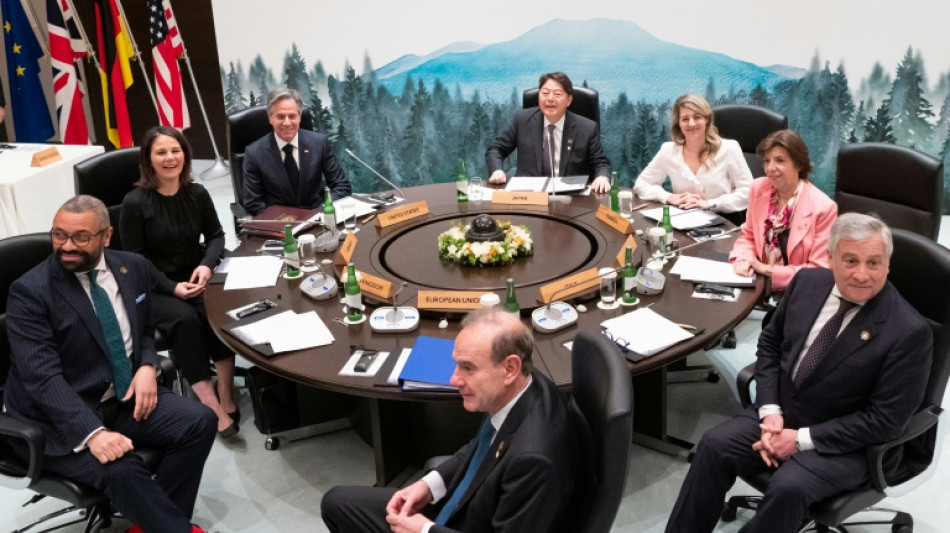
G7 vows 'severe costs' for those helping Russia in Ukraine / Photo: © POOL/AFP

 Hunter Bell cruises to Commonwealth gold, Pathirage stuns javelin stars
 Amazon surges as US stocks shrug off bond yield worries
 Google rolls back new satellite image AI tool after backlash

 Ryu leads in bid for third straight major at women's British Open

 Fire-hit France region 'coming up for air' as main blaze calms

 Wembanyama to get signature shoe in Nike contract extension: reports
 Oil giants report blowout profits on war, warn high gas prices could persist
 Google launches new satellite image AI tool, alarming researchers

 Eddie Howe resigns as Newcastle boss to 'recharge'
 High winds hamper firefighting efforts in western Turkey

 Howe resigns as Newcastle boss
 Full-scale tour will benefit All Blacks, says coach Rennie

 US Fed dissenters call for rate hikes over sustained inflation
 Trump and far-right seize on Spanish migration crisis

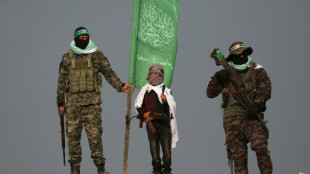 Hamas agrees to disarm under Trump plan
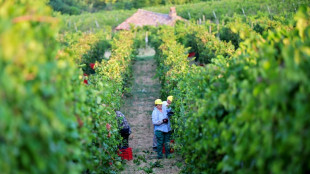 French, Italian winegrowers face earliest ever harvest

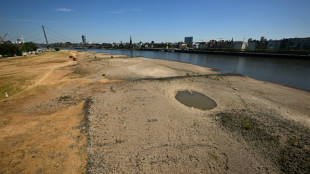 Alarm over climate-linked low level of German waterways

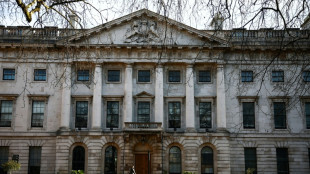
 UK court rejects challenge against new Chinese embassy in London

 New York sues online prediction markets giant Kalshi

 Commerzbank agrees to talks with UniCredit after two-year standoff
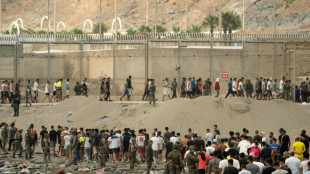
 A rumour, a rush: chaos at Morocco border with Spain's Ceuta

 Fornaro Legal Releases Guidance to Help Businesses Maintain Clear Ownership Records During Growth

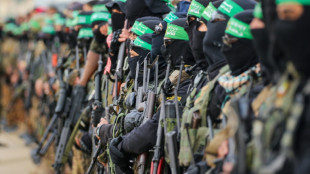 Hamas agrees to disarm: what are the challenges ahead?
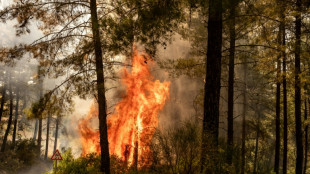 Turkey fights to last major blaze inland from Bodrum

 Japan probe made closest-ever asteroid flyby: space agency

G7 foreign ministers warned Tuesday that those helping Russia wage war in Ukraine would face "severe costs", as they offered a united front on another key policy challenge: China.
After two days of talks in the bucolic Japanese mountain resort town Karuizawa, the top diplomats from leading economies unveiled no new sanctions on Moscow over its invasion but pledged to crack down on those helping Russia evade the measures and acquire weapons.
The ministers also put Beijing on notice over its "militarisation activities" in the South China Sea and insisted their Taiwan policy was unchanged despite recent controversial comments from France's president.
While talks were dominated by Ukraine and regional challenges, including a demand that North Korea "refrain" from new nuclear tests or ballistic missile launches, the ministers covered a broad sweep of global policy problems.
They met as fighting continues in Sudan between the army and paramilitaries, forcing the insertion of last-minute language demanding both sides "end hostilities immediately without pre-conditions".
And there was renewed condemnation of the increasing restrictions placed on women and minorities by Taliban authorities in Afghanistan, described by the ministers as "systematic abuses".
They demanded the "immediate reversal" of "unacceptable decisions" including a ban on women working with non-government organisations and the United Nations in the country.
But it was clear that two crises dominated discussions above all -- the war in Ukraine, and China's growing military and economic clout.
The diplomats from Japan, Britain, the United States, Canada, Germany, Italy, France and the European Union promised to continue "intensifying" sanctions on Russia and increase efforts to respond to those offering Moscow arms or other support, warning of "severe costs".
They also slammed Russia's "irresponsible nuclear rhetoric" and called a threat by Moscow to deploy nuclear weapons in Belarus "unacceptable".
- Warnings to China -
The statement made clear the ministers were mindful of the furore caused by French President Emmanuel Macron's comments last week, following a trip to Beijing, that Europe should avoid "crises that aren't ours".
"There is no change in the basic positions of the G7 members on Taiwan," the final statement said, calling peace and stability in the Taiwan Strait "indispensable" to global security and prosperity.
French Foreign Minister Catherine Colonna and her counterparts sought throughout the G7 talks to play down differences, and the statement warned Beijing on everything from its nuclear arsenal to its business practices.
It accused China of an "ongoing and accelerating expansion of its nuclear arsenal", and expressed concern Beijing is developing "increasingly sophisticated delivery systems, without transparency, good faith arms control or risk reductions measures".
And, without directly mentioning China, the group pledged to step up cooperation against "economic coercion" -- the practice of weaponising import or export rules for political purposes.
Even the warning on offering support to Russia in Ukraine may be read as a message for China, echoing repeated statements from Western officials cautioning Beijing against directly arming Moscow.
The talks set the stage for a G7 leaders' summit next month in Hiroshima, where Japan's Prime Minister Fumio Kishida wants to make nuclear disarmament a key plank of discussions.
Tuesday's statement devotes a long segment to disarmament and non-proliferation but contains little in the way of new pledges or commitments and refers specifically to the "current harsh security environment", suggesting a difficult path to real achievements.
It calls on all countries to transparently document their nuclear arsenals, urges Russia to stick with a moratorium on nuclear tests and calls for China to hold "risk reduction" talks with Washington.
The meeting in Karuizawa was held under tight security after Kishida escaped unharmed Saturday, when an explosive device was thrown towards him.
J.Fankhauser--BTB