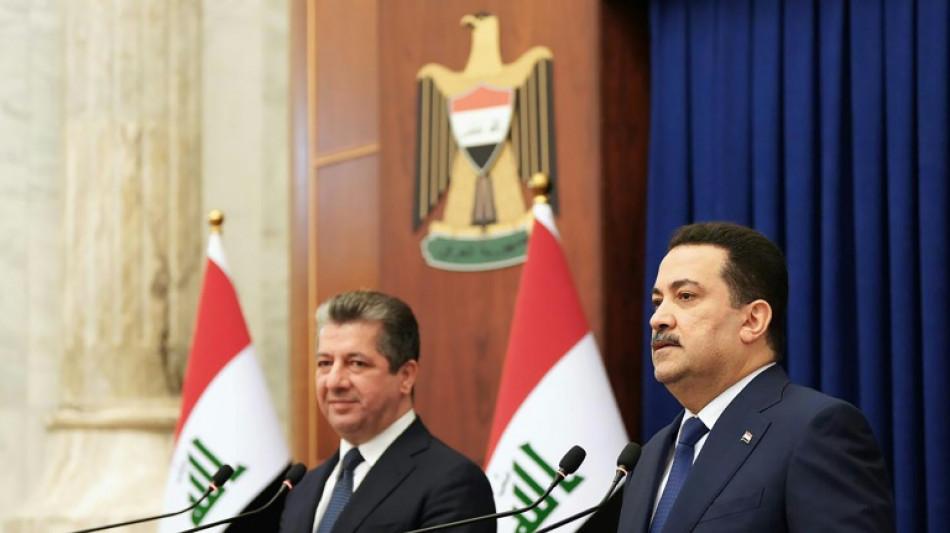
Iraq, Kurdish region sign accord to resume oil exports / Photo: © IRAQI PRIME MINISTER'S PRESS OFFICE/AFP

 Search ended at mall wrecked by Japan quake blast
 Deadly strikes rock Kyiv as Zelensky appeals for air defences

 Egypt captains recount scramble to stop disaster after drone strike

 South Korea baseball league cancels two games over heatwave

 US drops Reflecting Pool case, admits damage due to botched renovation
 Russian attacks on Kyiv kill 9, wound more than two dozen

 Injured Australian swim star O'Callaghan pulls out of PanPacs

 California lifeguards wiped out from extreme weather

 FIFA scraps private investment plan after backlash: Infantino
 South Africa's WAFCON hopes hang in the balance after dramatic draw

 Hunter Bell cruises to Commonwealth gold, Pathirage stuns javelin stars

 Amazon surges as US stocks shrug off bond yield worries

 Google rolls back new satellite image AI tool after backlash

 Ryu leads in bid for third straight major at women's British Open

 Fire-hit France region 'coming up for air' as main blaze calms
 Wembanyama to get signature shoe in Nike contract extension: reports

 Oil giants report blowout profits on war, warn high gas prices could persist
 Google launches new satellite image AI tool, alarming researchers

 Eddie Howe resigns as Newcastle boss to 'recharge'
 High winds hamper firefighting efforts in western Turkey

 Howe resigns as Newcastle boss

 Full-scale tour will benefit All Blacks, says coach Rennie

 US Fed dissenters call for rate hikes over sustained inflation
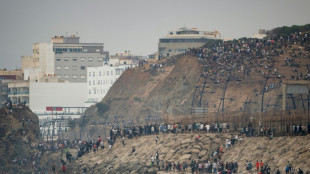 Trump and far-right seize on Spanish migration crisis

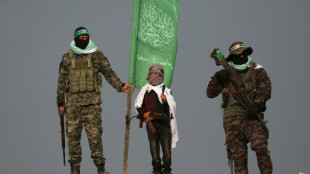 Hamas agrees to disarm under Trump plan
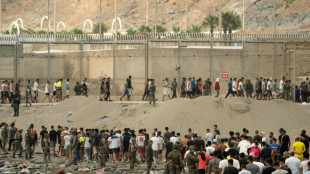
Iraq's federal government and the Kurdistan autonomous region signed an accord Tuesday to allow Kurdish oil exports to resume through Turkey after they were halted 10 days earlier.
The agreement, signed in Baghdad in the presence of Prime Minister Mohamed Shia al-Sudani and Kurdish premier Masrour Barzani, was to be implemented "today", a Kurdish regional government official told AFP.
The deal was described as temporary but signals the end of independent oil exports by northern Iraq's Kurdish regional government and marks a clear limit to its autonomy.
The agreement comes two days after Iraq, Saudi Arabia and several other major oil exporters announced a sharp reduction in their production from May that sent up global energy prices.
Barzani said on Twitter that the deal is "temporary" until Iraq's parliament agrees a new oil and gas law, but he called it "a crucial step towards ending the long-standing dispute" between Arbil and Baghdad.
Ankara had stopped handling Iraqi Kurdish oil last month after an international tribunal ruled in a nine-year-old dispute that Baghdad was right to insist on overseeing all Iraqi oil exports.
Oil exports are the key revenue source for both the federal and regional governments and their management has long been a sensitive topic in relations.
The government of war-scarred Iraq is betting on earning around $70 per barrel in its budget calculations for the next three years and has been irritated to see the autonomous region go it alone by exporting its oil via Turkey.
The Kurdistan government sees Baghdad as trying to profit from the region's resources while dragging its feet on paying the salaries of Kurdish civil servants and other funds for its regional public sector.
- 'Breakthrough deal' -
Gulf Analyst Yesar Al-Maleki, of the Middle East Economic Survey (MEES), said the deal aimed "first and foremost" at quickly re-starting exports to Turkey.
"But it also presents an opportunity for Baghdad to finally be involved in Iraqi Kurdistan's oil sector" and should also allow Kurdistan "to accrue higher revenues" in future.
Maleki hailed the deal as a "breakthrough for the two PMs" that could help both sides draft the new energy law and "resolve the existing historic disputes once and for all".
Sales of Kurdistan crude will be managed from now by the State Oil Marketing Organization, a federal government official and a Kurdish official told AFP.
A joint committee formed by the federal and regional governments will supervise the export process, they added.
Revenues will be paid into an account under the control of the Kurdish government which will be overseen by Baghdad, they said.
The halt to exports through a pipeline to the Turkish Mediterranean port of Ceyhan had left foreign oil firms with nowhere to pump Kurdish oil.
Norway's DNO, one of the main firms operating in Iraqi Kurdistan, announced it was halting production at its wells.
Prior to Ankara's action on March 25, the autonomous region was exporting roughly 450,000 barrels per day of crude.
Iraq, the second largest producer within the Organization of the Petroleum Exporting Countries, exports an average of 3.3 million bpd.
A.Gasser--BTB