Poor countries call for debt revolution at UN summit / Photo: © AFP/File

 At Nepal school, outpouring of grief for climber Nirmal Purja

 Tourists slowly return to French bay opposite huge wildfire

 Helicopter crew killed in Greece fires
 Wiebes takes dominant second win at Tour de France Femmes

 Suicide attack kills 13 during protest in northern Pakistan: police
 Helicopters collide in Greece as fires spread
 Power returns to Cuba's west after grid failure
 At least 72 died in Spain's Ceuta migrant rush
 South Korea records its highest-ever temperature of 42.5C
 Trump says US, Israel to hold off on Iran strikes
 Messi returns as Inter Miami draw 2-2 against Columbus Crew

 Five of Cuba's 15 provinces without power as grid fails again

 Baltic startups take aim at deterring Russia on NATO's eastern flank
 Tourists chase high-octane thrill in China's trending biker capital

 Vincent Pastore, who played 'Big Pussy' on 'The Sopranos,' dead at 80

 Lula, Brazil's political titan, races against time
 When rogue AI launches a cyberattack, who is legally responsible?
 Venezuela transition talks to start in person next week: govt

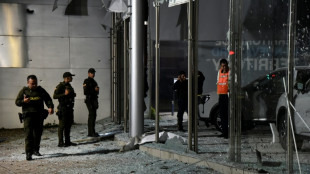 Colombia truck bomb wounds 14 ahead of presidential inauguration

 Eala stuns Osaka to book Washington final against Pegula

 13 dead after small tourist plane crashes in Peru
 France's devastating fires now 'under control', says PM
 Noh leads by three at women's British Open as Ryu falters
Worn down by growing debt and a barrage of crises, leaders of the world's poorest countries have stepped up calls for the rules governing handouts of billions of dollars to be rewritten.
Western nations gave out more than $185 billion in grants and cheap loans in 2021, according to the OECD. Official development assistance is one of the pillars of the international financial system.
But the 46 Least Developed Nations holding their own UN-organised summit in Doha this week feel short-changed.
Five decades after the LDC club was set up by the UN to organise trade privileges and easier access to other finance, presidents and prime ministers said their problems have piled up.
Climate change, Covid-19 fallout, food and fuel price rises stoked by Russia's invasion of Ukraine and ever bigger debts are weighing on the poor nations who are blaming the system.
"Our partners have a tendency to cast all blame on the recipient partner for failures and avoid scrutiny of their of their own aid programmes that certainly might have contributed to the failures," said East Timor's President Jose Ramos-Horta.
- Debt blame game -
Seychelles President Wavel Ramkalawan said it was time for the international finance institutions to move beyond per capita gross domestic product as the only measurement for development.
"One size does not fit all," he said calling for a system that recognises that different countries have different problems.
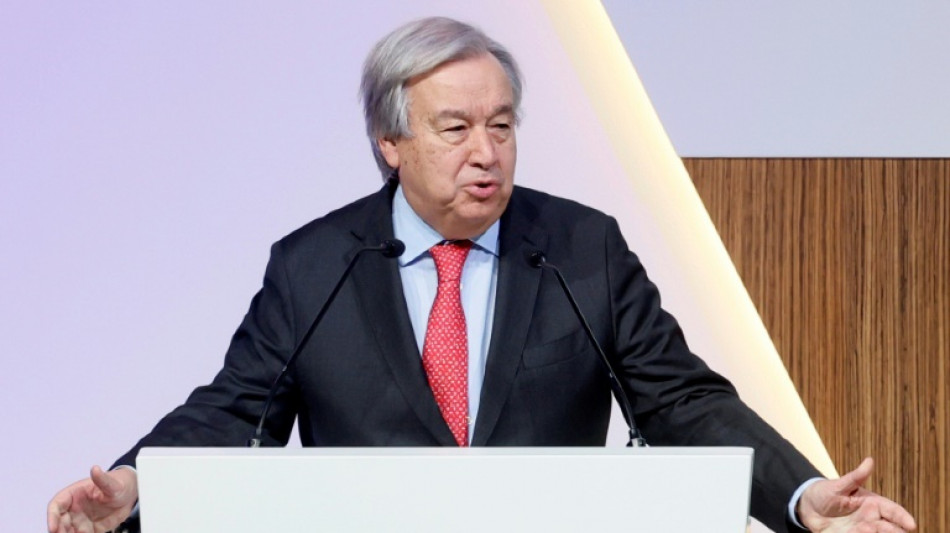
UN Secretary General Antonio Guterres widened the attack when he condemned a global financial system "designed by wealthy countries, largely to their benefit." Without any cash reserves, the poor nations were being forced to pay "predatory interest rates."
The coronavirus pandemic was regularly cited at the summit. The LDCs got fewer vaccines and then had to borrow at crippling rates to pay for their emergency measures.
Ahead of the summit, the UN Development Programme (UNDP) estimated that 52 countries were either suffering debt stress or close to it and in danger of default.
Lesotho's deputy prime minister Nthomeng Majara was among leaders to call for an "urgent" rescheduling or writing off debt.
The calls added to longstanding criticism of the World Bank and International Monetary Fund for imposing austerity on poor populations to get loans.
China is now the biggest single creditor nation, often seen as rivalling western influence, but has recently indicated a willingness to work with the IMF and other institutions to organise debt relief.
Alongside the official summit, civil society activists held their own meetings to propose radical solutions to the debt problem.
Lidy Nacpil, Asian Peoples Movement on Debt and Development, a coalition of several activist groups, said the developed world should just agree to give compensation as they have in international talks on countering climate change.
"We want something that is similar to the climate convention, an acknowledgement of the responsibility that wealthy nations have in this unsustainable economic system we have," said Nacpil.
At a 2009 climate conference, major economies promised $100 billion a year by 2020 to help pay for the ravages of rising temperatures but have not yet managed to reach that figure.
Rolf Traeger, an LDC specialist at the UN Conference on Trade and Development, told one Doha panel meeting that specialists had long looked for alternatives to official aid but that few ideas have come forward. "It's hard to see," he said.
C.Kovalenko--BTB