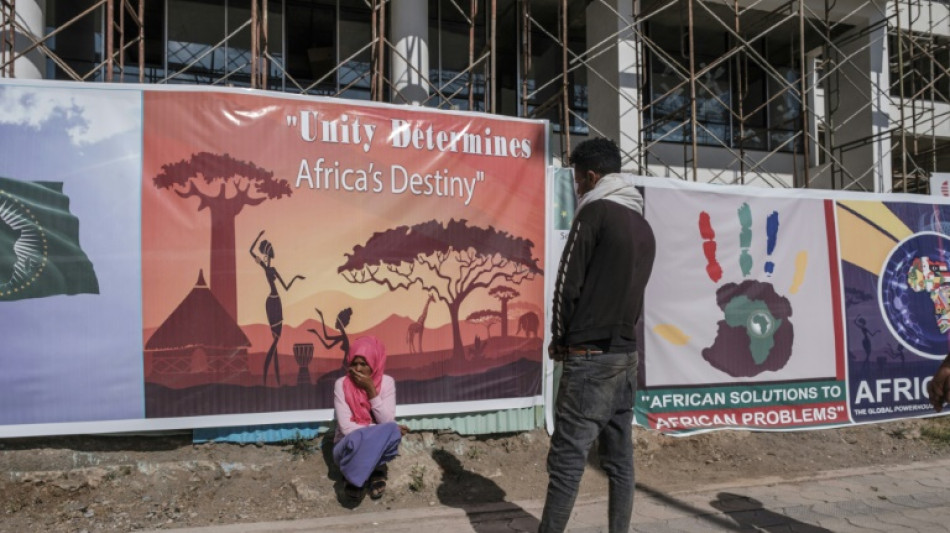
Trade, security top issues as African leaders meet / Photo: © AFP

 What Europe can learn from Australia's 'Black Summer' wildfires
 Oil prices sink on Iran hopes, yen gains after joint intervention
 Wildfires raze neighborhoods in US northwest city of Spokane
 Trump attorney general pick says has reached deal with senators after standoff
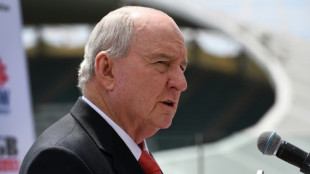 Star Australian broadcaster faces trial for sexual assault

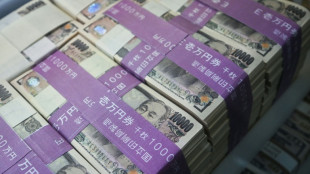 Oil prices sink on Middle East hopes, yen extends gains after joint intervention
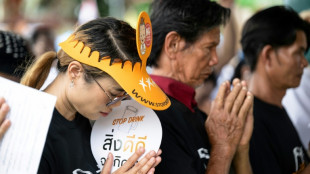 Millions of Thais banish the booze for Buddhist Lent

 Returning to 'Ted Lasso' after break 'effortless': Hannah Waddingham

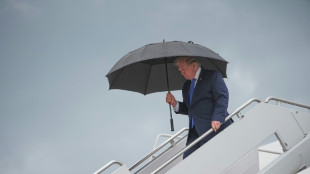 Trump says new Iran talks set to start after calling off massive attack

 Four Al-Fayed survivors told they were trafficking victims
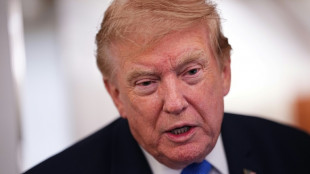
 Ariana Grande withdraws from London musical, seeks to 'step back'

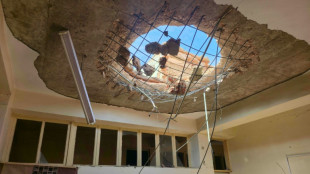 Sudan army drone attack on Darfur court kills 35

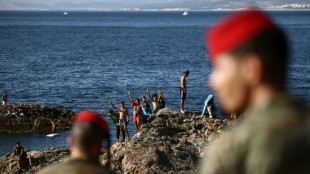 At least 72 died in Spain's Ceuta migrant rush, Spain says

 Russian teen Liutova wins WTA Memphis title
 Zverev remains wary of 12-day Masters events

 Wimbledon champ Noskova ready for 'new opportunity'

 Japan's Kuwaki wins women's British Open to clinch first major title
 Sabalenka aims to bounce back in Toronto after Wimbledon disappointment

 Iran says close to Hormuz deal with Oman, after US suspends attack plan
 'Spider-Man' soars to huge $355 million opening in North America
 Handbag tosses and high-heeled sprints: Amsterdam celebrates Drag Olympics
 Trump's on-again-off-again war against Iran: in his own words

 Dodgers land Tigers pitching ace Skubal in MLB trade deadline blockbuster
 Infantino struggling to survive, says former IOC marketing chief
 OPEC+ boosts September production by 188,000 barrels/day

African leaders gather Saturday in Addis Ababa for an annual summit, aiming to jumpstart a faltering trade deal while also focusing on the continent's most pressing challenges, including armed conflict and a worsening food crisis.
As the continent reels from a record drought in the Horn of Africa and deadly violence in the Sahel region and the eastern Democratic Republic of Congo, the two-day African Union (AU) meeting will look to address these issues and accelerate a free-trade pact launched in 2020.
The African Continental Free Trade Agreement (AfCFTA) is billed as the biggest in the world in terms of population, gathering 54 out of 55 African countries, with Eritrea the only holdout.
African nations currently trade only about 15 percent of their goods and services with each other, and the AfCFTA aims to boost that by 60 percent by 2034 by eliminating almost all tariffs.
But implementation has fallen well short of that goal, running into hurdles including disagreements over tariff reductions and border closures caused by the Covid-19 pandemic.
Most of the summit's sessions will be held behind closed doors at AU headquarters in the Ethiopian capital.
But eyes will be on the bloc to see if it can achieve ceasefires in the Sahel and the eastern DRC where the M23 militia has seized swathes of territory and sparked a diplomatic row between Kinshasa and Rwanda's government, which is accused of backing the rebels.
At a mini-summit on Friday, leaders of the seven-nation East African Community called for all armed groups to withdraw from occupied areas in the eastern DRC by the end of next month.
"We cannot walk away from the people of DRC, history will be very harsh on us. We must do what we have to do," Kenya's President William Ruto told the meeting.
- Ineffectual -
Created in 2002 following the disbanding of the Organisation of African Unity, the AU comprises all 55 African countries, with a population of 1.3 billion people.
While the bloc has been credited with taking a stand against coups, it has long been criticised as ineffectual.
UN Secretary-General Antonio Guterres, who is visiting Ethiopia, will address the assembly while Rwandan President Paul Kagame is due to present a report on the reform of AU institutions.
Kagame has been urging the AU to implement major reforms for years, including a push towards financial independence, with the bloc largely dependent on foreign donors.
Palestinian leader Mahmud Abbas will also deliver a statement on Saturday, according to a draft agenda.
Last year, unease flared over the accreditation of Israel as an observer at the AU, with the Palestinians urging its withdrawal.
The row erupted when Moussa Faki Mahamat, head of the African Union Commission, accepted Israel's accreditation, triggering a rare dispute within a body that values consensus.
- 'Limited diplomatic heft' -
Comoros President Azali Assoumani, leader of the small Indian Ocean archipelago of almost 900,000 people, is due to take over the one-year rotating AU chairmanship from Senegal's Macky Sall.
The 64-year-old Assoumani will "require the support of other senior African leaders to discharge the role, given his country's limited diplomatic heft", according to the International Crisis Group think tank.
Before handing over, Sall will present a report on the food crises rocking a continent hit hard by the worst drought in four decades and the knock-on effects of the war in Ukraine that have pushed up the cost of basic goods.
Junta-ruled Mali, Burkina Faso and Guinea, which have been suspended from the AU, cannot participate in this weekend's summit.
But diplomats of the three Sahel nations are in Addis Ababa to push for readmission.
G.Schulte--BTB