French court convicts three over Macron attack plot / Photo: © AFP

 What Europe can learn from Australia's 'Black Summer' wildfires

 Oil prices sink on Iran hopes, yen gains after joint intervention

 Wildfires raze neighborhoods in US northwest city of Spokane

 Trump attorney general pick says has reached deal with senators after standoff
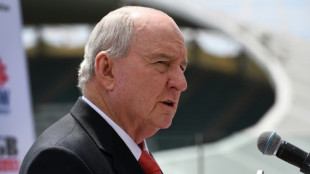 Star Australian broadcaster faces trial for sexual assault
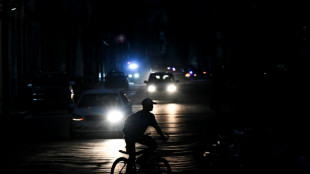
 Oil prices sink on Middle East hopes, yen extends gains after joint intervention

 Millions of Thais banish the booze for Buddhist Lent
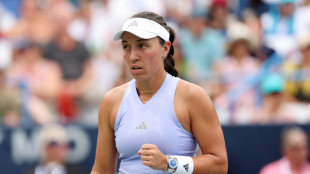
 Returning to 'Ted Lasso' after break 'effortless': Hannah Waddingham

 Trump says new Iran talks set to start after calling off massive attack

 Four Al-Fayed survivors told they were trafficking victims

 Ariana Grande withdraws from London musical, seeks to 'step back'

 Sudan army drone attack on Darfur court kills 35

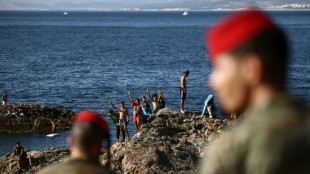 At least 72 died in Spain's Ceuta migrant rush, Spain says

 Russian teen Liutova wins WTA Memphis title
 Zverev remains wary of 12-day Masters events

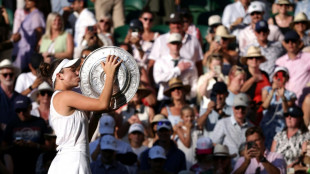 Wimbledon champ Noskova ready for 'new opportunity'

 Japan's Kuwaki wins women's British Open to clinch first major title
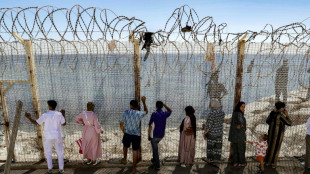
 Sabalenka aims to bounce back in Toronto after Wimbledon disappointment
 Iran says close to Hormuz deal with Oman, after US suspends attack plan

 'Spider-Man' soars to huge $355 million opening in North America
 Handbag tosses and high-heeled sprints: Amsterdam celebrates Drag Olympics
 Trump's on-again-off-again war against Iran: in his own words

 Dodgers land Tigers pitching ace Skubal in MLB trade deadline blockbuster

 Infantino struggling to survive, says former IOC marketing chief
 OPEC+ boosts September production by 188,000 barrels/day
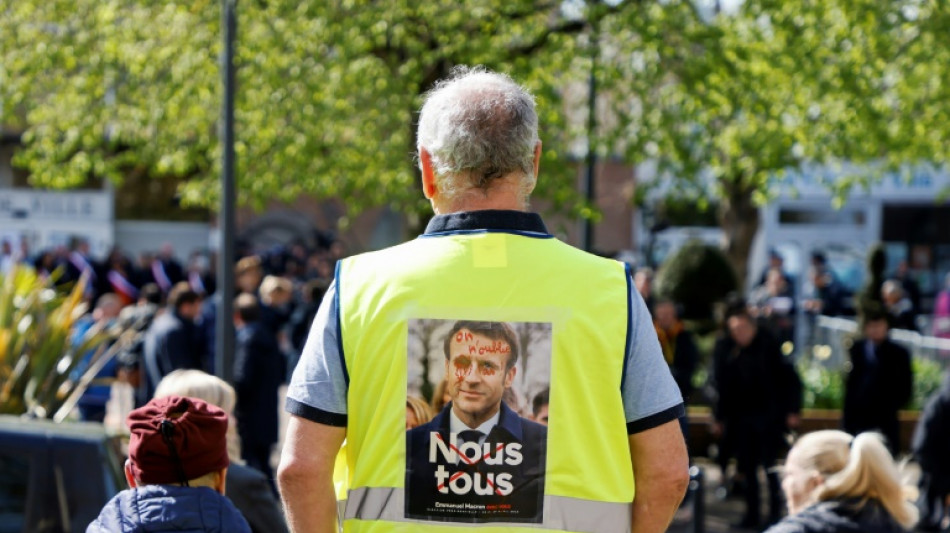
A French anti-terror court convicted three people on Friday over a plan to attack President Emmanuel Macron after a trial that threw the spotlight on a radical far-right online group.
The three men, part of a Facebook group known as the "Barjols", were convicted for conspiracy to commit a terrorist act after the court heard how they discussed using a ceramic knife to stab Macron in 2018 at a World War I commemoration.
Jean-Pierre Bouyer, a 66-year-old former mechanic, was handed the longest sentence of four years in prison, with one year suspended, well below the maximum jail term of 10 years for the offence.
He was arrested on November 6, 2018, with three others in the eastern Moselle region. Police found a commando-style knife and an army vest in his car as well as three firearms at his home.
Two others arrested along with him were handed shorter prison terms, while nine co-defendants and fellow members of the "Barjols" were cleared.
A 13th member was given a suspended sentence for illegally possessing a firearm.
Since the start of the trial in mid-January, the court heard details of the group's alcohol-fuelled meetings and often racist online discussions of migration, their fear of a civil war, and their hatred of Macron.
The case also raised questions about the point at which online conspiracies and violent fantasies become criminal, with defence lawyers claiming the prosecution lacked evidence of any real desire to act.
Bouyer's lawyer, Olivia Ronen, told reporters she regretted that the judges had not recognised that "this case was blown out of proportion, that there was no hard evidence to convict".
"The court ended up a bit in the middle of the road," fellow defence lawyer Francois Ormillien said, highlighting the guilty verdicts but "extremely light" sentences.
The three main accused are expected to file appeals.
"They're locking me up for things I said. I have the right to express myself," one of them, Mickael Iber, told AFP afterwards, adding that he had been detained for 50 months awaiting trial.
- Racism -
The chief prosecutor had called the group an "incubator of violent action" when she summed up her arguments against the 13 defendants, almost all of whom had no criminal record.
Their ideas could seem "eccentric" but the "threat was real", she said. They were similar to Islamist extremists in their "fascination for violence" and their animus towards people they perceived as enemies, she added.
The group was formed on Facebook in 2017 in the aftermath of several years of deadly jihadist attacks in France, including at the Charlie Hebdo magazine and the Bataclan concert hall in Paris.
"I was so furious, so angry that I might have said that," one defendant, a 55-year-old woman named as "Natalie C" told the court when asked about an idea she had expressed of kidnapping and burning Muslims. She was eventually acquitted of the charges against her.
Defence lawyers sought to portray their clients as marginalised and embittered people from rural France, all supporters of the anti-government "Yellow Vest" movement which took to the streets in 2018 to denounce Macron.
That movement, which sprang up spontaneously, fed off grievances in rural and small-town France about the cost of living and fuel taxes, as well as Macron's perceived arrogance and disdain for working-class people.
G.Schulte--BTB