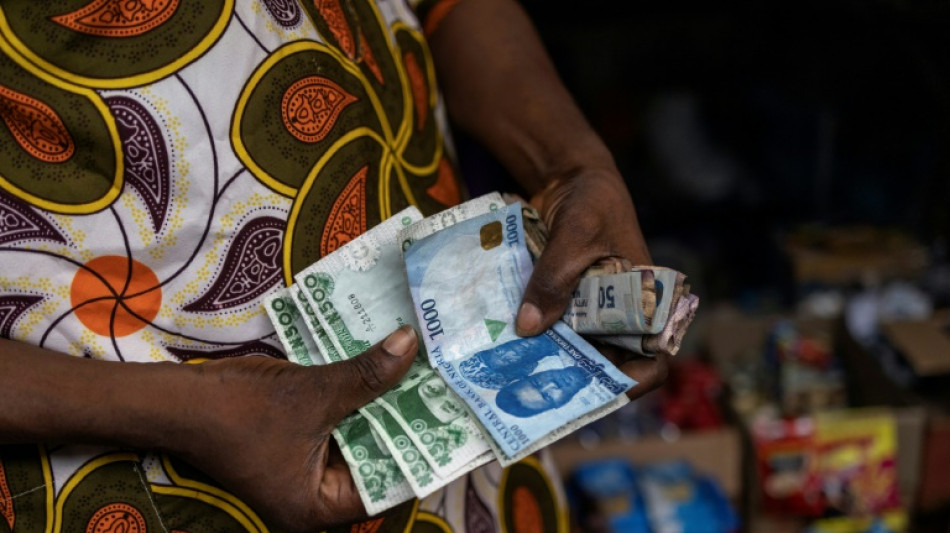
Protests hit Lagos over cash crisis / Photo: © AFP

 What Europe can learn from Australia's 'Black Summer' wildfires

 Oil prices sink on Iran hopes, yen gains after joint intervention
 Wildfires raze neighborhoods in US northwest city of Spokane
 Trump attorney general pick says has reached deal with senators after standoff

 Star Australian broadcaster faces trial for sexual assault
 Oil prices sink on Middle East hopes, yen extends gains after joint intervention
 Millions of Thais banish the booze for Buddhist Lent

 Returning to 'Ted Lasso' after break 'effortless': Hannah Waddingham

 Trump says new Iran talks set to start after calling off massive attack

 Four Al-Fayed survivors told they were trafficking victims
 Ariana Grande withdraws from London musical, seeks to 'step back'

 Sudan army drone attack on Darfur court kills 35

 At least 72 died in Spain's Ceuta migrant rush, Spain says

 Russian teen Liutova wins WTA Memphis title

 Zverev remains wary of 12-day Masters events

 Wimbledon champ Noskova ready for 'new opportunity'

 Japan's Kuwaki wins women's British Open to clinch first major title
 Sabalenka aims to bounce back in Toronto after Wimbledon disappointment

 Iran says close to Hormuz deal with Oman, after US suspends attack plan

 'Spider-Man' soars to huge $355 million opening in North America

 Handbag tosses and high-heeled sprints: Amsterdam celebrates Drag Olympics
 Trump's on-again-off-again war against Iran: in his own words

 Dodgers land Tigers pitching ace Skubal in MLB trade deadline blockbuster
 Infantino struggling to survive, says former IOC marketing chief
 OPEC+ boosts September production by 188,000 barrels/day
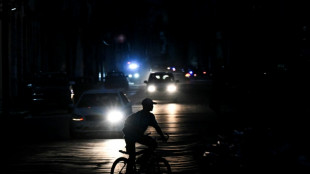
Police fired teargas on Friday to disperse angry protesters in Nigeria's commercial capital Lagos, police and residents said, shutting businesses and blocking roads to demonstrate against banknote scarcities.
Nigeria has been struggling with a shortage of hard cash since the Central Bank of Nigeria (CBN) began to swap old bills of the local naira currency for new, re-designed ones, leading to a shortfall in banknotes.
The cash scarcity has triggered protests in major cities as angry customers attacked banks and barricaded roads in unrest just days before Nigeria holds a presidential election.
President Muhammadu Buhari in a Thursday broadcast sought to ease the scarcity by allowing old 200 naira bills to circulate until April 10. Old 500 and 1,000 notes were no longer legal tender.
On Friday, Lagos traders, markets, transporters and petrol stations started to reject the old notes, sparking riots in parts of the megalopolis of over 20 million people.
At Ojota, close to the busy Mile 12 food market, a crowd of protesters gathered as early as 7am and set fire to used tyres to block the popular Ikorodu road. Many motorists were stranded.
Police were quickly deployed to clear crowds in the area, an epicentre for popular unrest.
"We deployed our men to the scene to prevent a breakdown of law and order. No one was injured because we only used teargas to disperse the crowd," a senior police officer told AFP.
He said the blockage on the road had been cleared to allow for "free flow" of traffic.
- 'Riots quelled' -
A transporter, Bawo Adegbenro, said unrest started when commercial bus drivers refused to accept the old 500 and 1,000 bills from commuters.
"Many people were stranded as they could not get a bus to their destination. This led to the riots in Ojota which the police have now quelled," he told AFP.
"I have packed my own bus in the garage until it is safe to work."
Similar protests broke out in the Agege, Ikotu, Iyana-Iba, Ipaja and Abule-Egba areas as angry protesters barricaded roads and major streets with burning tyres, residents said.
Business owners were forced to close to avoid attacks and vandalisation.
Friday's protests were the latest to hit Africa's most populous nation over the cash shortages, which are raising tensions before the February 25 ballot to elect the successor to Buhari.
The central bank said the currency policy was aimed at clearing up excess and counterfeit naira as well as discouraging cash ransom payments to kidnappers and bandits.
The policy was also introduced to promote cashless transactions by limiting the use of cash for businesses.
K.Thomson--BTB