Russian refuseniks hide in fear to evade Ukraine conflict / Photo: © AFP

 Bangladesh measles outbreak drives families into debt: aid groups
 BitMart、説明を迫られる:SNC SCANDIC COINの出金は8日経っても依然としてTXIDなし
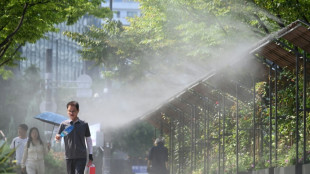 Seoul issues first 'severe heatwave warning' under new system
 BitMart змушений надати пояснення: виплати в SNC SCANDIC COIN через вісім днів досі без TXID

 BitMart 面臨解釋壓力:SNC SCANDIC COIN 提現八天後仍無 TXID

 Cycling superstar Pogacar to ride in Vuelta
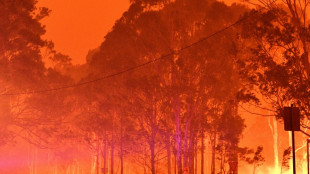
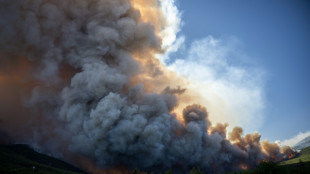 Water bombers take to skies as Greece battles wildfires
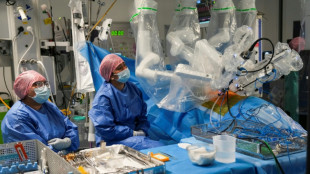 Training the UK 'surgeons of the future' using robots
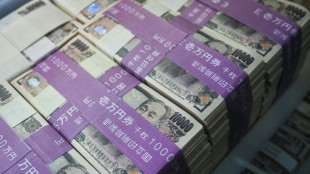
 US, Japan join forces to boost yen
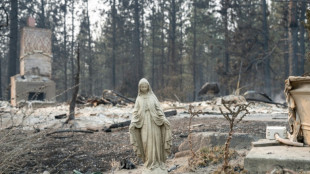
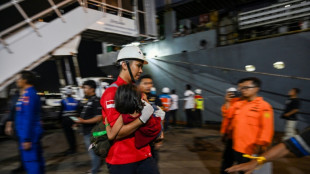 Survivors recall blasts before deadly Indonesian ferry fire
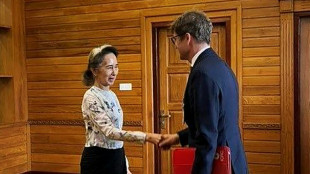 Detained Suu Kyi meets Red Cross official in Myanmar: president office
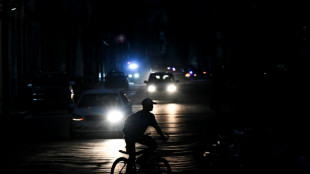 Cuba state energy firm reports new nationwide blackout
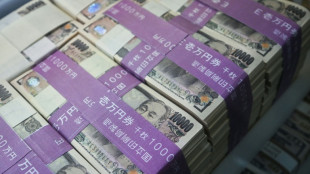
 US, Japan support yen with first joint intervention since 2011
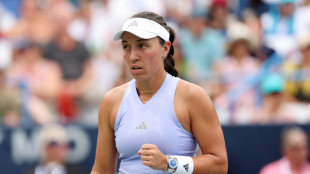 Pegula leads Eala as storms push Washington Open finals to Monday

 US dairy industry muscles up thanks to protein craze
 Leeds rally for 4-2 friendly win over Liverpool
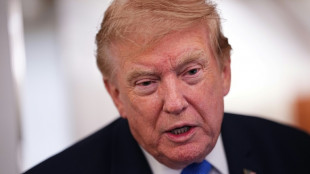
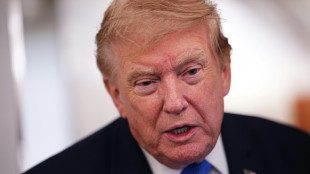
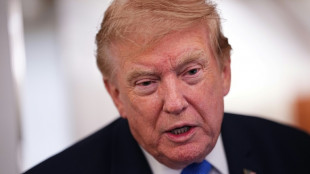 Trump says US support for Japanese yen a 'signal of friendship'
 Thorbjornsen earns maiden PGA win at Rocket Classic
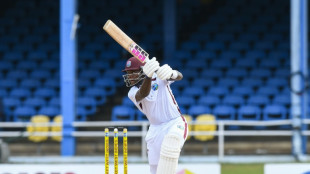 Greaves steadies West Indies in second Test against Pakistan
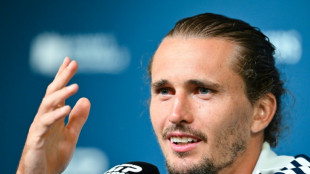 Zverev says sanctions won't solve problem of bloated Masters events
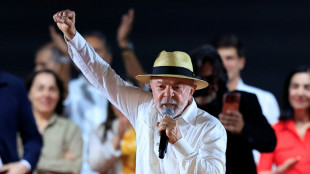 Brazil's Lula, 80, says 'in great shape' as he launches fourth term bid
 Barco joins Chelsea rebuild from Strasbourg
 Commonwealth Games faces uncertain future ahead of centenary edition
 Moroccans gather at Ceuta border, desperate for news of loved ones
 Finucane seals fourth cycling gold on final day of Commonwealth Games
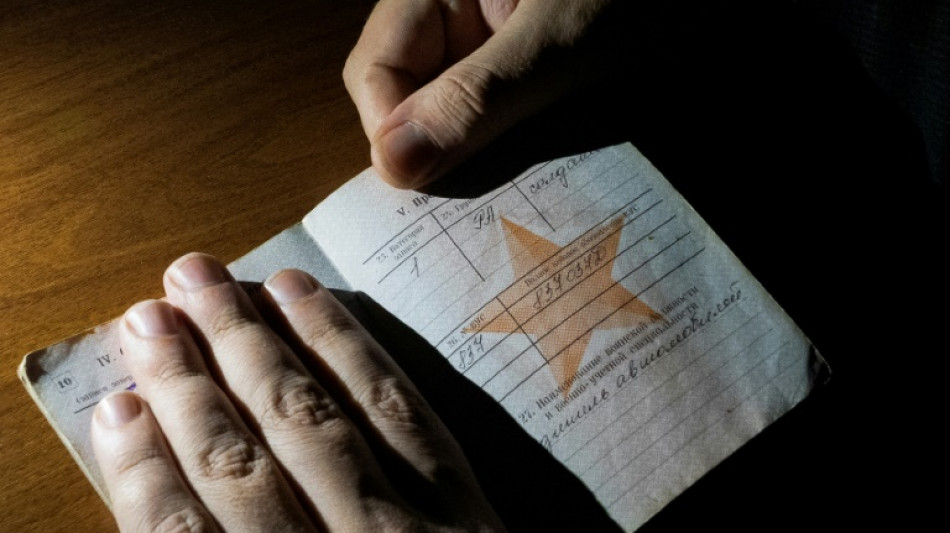
The documents issued to Dmitry by the Russian military carry an ominous hand-written designation: "Category One. State of Health B".
It means he has been given a clean bill of health and should be in Ukraine, fighting on the front lines of Moscow's fierce and bloody year-long offensive.
But the Russian in his 20s -- wearing a hoodie and holding the army papers in his hands -- is nowhere near the battles for Ukraine's industrial east.
Instead, he is hiding from the authorities, trapped in his own country and living in fear of being punished for refusing to fight and his stance on the conflict.
"Taking part in this disgrace marks you for life," he said, describing Russia's intervention in Ukraine as "barbaric" and "criminal".
Dmitry, whose name has been changed for security reasons and who spoke to AFP at an undisclosed location in Russia, was among at least 300,000 reservists called up last year.
When President Vladimir Putin announced the mobilisation drive on state television in late September, it sparked a frantic exodus of military-aged men from the country.
Some, who didn't want to leave the country or didn't have the means, claimed exemptions on medical or professional grounds.
Others like Dmitry -- and nobody knows the exact figure -- just ignored the orders.
- 'Ignored it' -
In the months since, they have relied on luck, cunning or bureaucratic loopholes to avoid a raft of new punitive legislation that could land them in prison for evading the draft.
For Dmitry, who previously trained with Russia's elite paratroopers as part of his mandatory military service, it was perhaps a combination of all three.
His mobilisation order came at the end of September, days after Putin's announcement.
But it was delivered to his old residence in a region where he no longer lives. He showed AFP the former address written on his government-issued identity documents.
"A utilities company tried to deliver the papers to me. But... I hadn't been there for more than three months," he told AFP.
He said local authorities should have removed him from the military register in that region. The fact that they didn't gave him an easy out.
"I simply ignored it," he said.
Among his social circle, eight have been mobilised, he said. Some secured last-minute exemptions. Others went to fight.
Nearly five months since, he is on alert, careful not to disclose his whereabouts accidentally to authorities.
- 'Digital hygiene' -
He only travels within the administrative borders of the region where he lives and works remotely for an IT company based abroad.
Dmitry also follows protocols of "strict digital hygiene" employing IT tools that mask the location of his telephone and computer.
He also avoids the surveillance cameras in his city that he knows to be equipped with facial recognition software and which have been used by law enforcement to scoop up other draft dodgers.
"Either you stay in the wilderness -- the country is big and there are lots of places -- or do the opposite, get lost in some big city," Dmitry explained.
But whatever measures you take to avoid detection from police and military personnel, its impossible to escape the anxiety of being caught.
Another young Russian, in hiding after being called up, cancelled an interview with AFP at the last minute, fearing that meeting journalists would attract police attention.
As time drags on, Dmitry's fraught position looks increasingly precarious.
Dmitry chose to remain in Russia to be close to his loved ones -- especially his partner and her child.
Leaving now looks far more dangerous, since Russian security services have drawn up lists of mobilised people for cross-checking at the country's borders.
- 'Rather go to prison' -
Adding to his worries are the rumours of a possible second call-up wave and announcements that military recruitment offices are digitising.
As the political climate in Russia becomes increasingly suspicious of dissent, he is also scared of being denounced.
The stakes are high. If arrested, Dmitry could be handed prison time for insubordination.
But, Dmitry said, the choice is clear.
"If I can't resist the state, I'd rather go to prison," he said.
The outbreak of fighting that spurred Putin's mobilisation orders was a double blow for Dmitry, bringing fear but also regret.
That's because he has extended family in Ukraine -- including some now living in territory controlled by Russia -- whom he has never met.
"It's a cliche but I always dreamed of going to Kyiv and Odesa to meet my relatives and to talk to them."
"It's been shattered by one person," he said.
J.Fankhauser--BTB