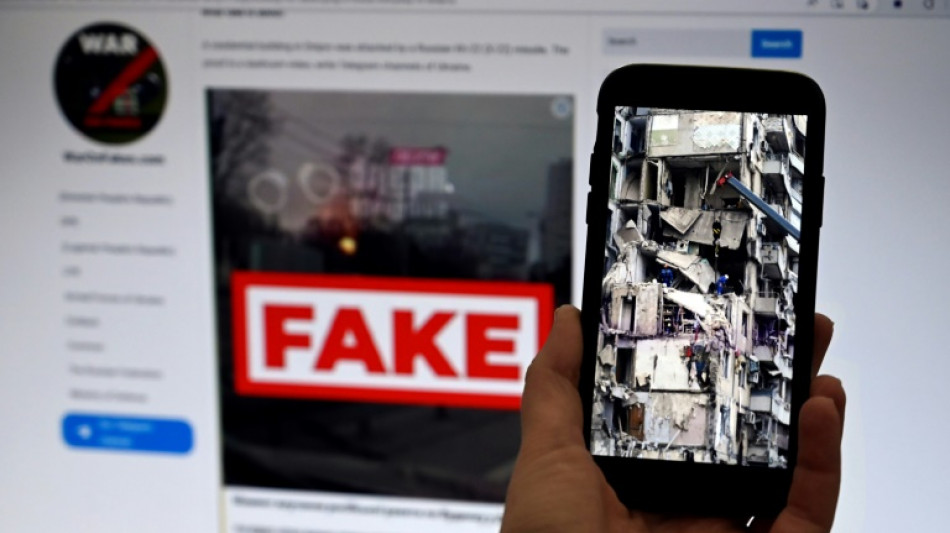
Fake 'fact-checks' seek to obscure Russian role in war / Photo: © AFP

 Bangladesh measles outbreak drives families into debt: aid groups
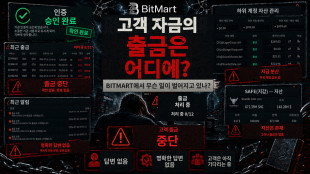
 BitMart、説明を迫られる:SNC SCANDIC COINの出金は8日経っても依然としてTXIDなし
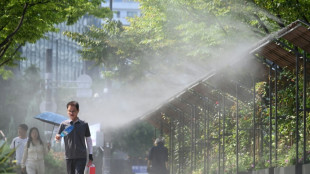 Seoul issues first 'severe heatwave warning' under new system
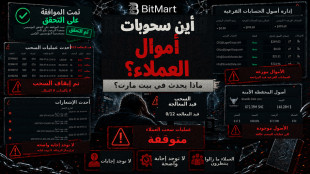
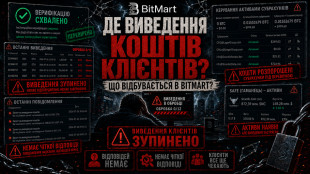 BitMart змушений надати пояснення: виплати в SNC SCANDIC COIN через вісім днів досі без TXID
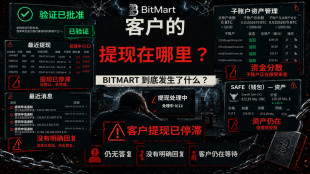 BitMart 面臨解釋壓力:SNC SCANDIC COIN 提現八天後仍無 TXID

 Cycling superstar Pogacar to ride in Vuelta
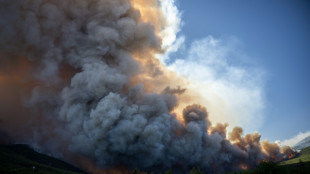 Water bombers take to skies as Greece battles wildfires
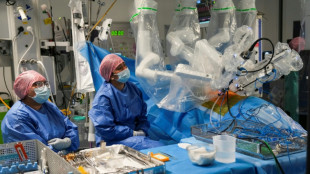 Training the UK 'surgeons of the future' using robots
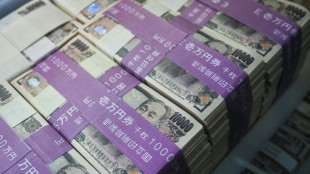
 US, Japan join forces to boost yen
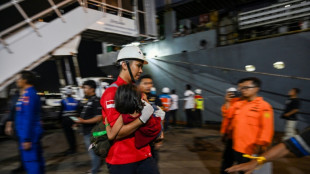 Survivors recall blasts before deadly Indonesian ferry fire
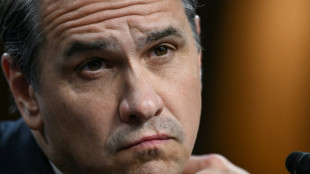
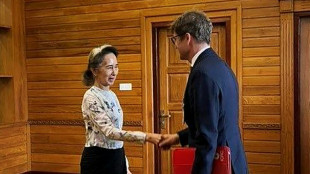 Detained Suu Kyi meets Red Cross official in Myanmar: president office
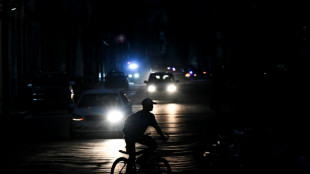 Cuba state energy firm reports new nationwide blackout
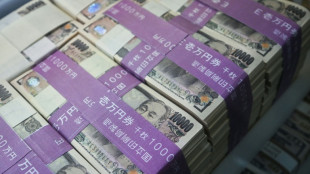
 US, Japan support yen with first joint intervention since 2011
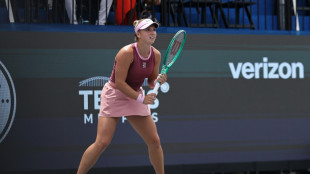
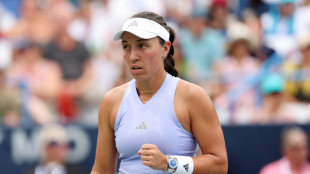 Pegula leads Eala as storms push Washington Open finals to Monday

 US dairy industry muscles up thanks to protein craze

 Leeds rally for 4-2 friendly win over Liverpool
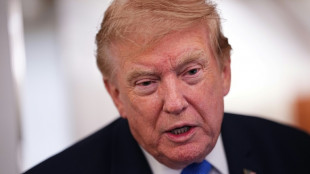
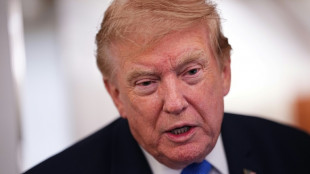 Trump says US support for Japanese yen a 'signal of friendship'

 Thorbjornsen earns maiden PGA win at Rocket Classic
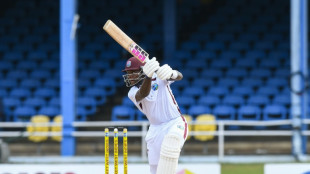 Greaves steadies West Indies in second Test against Pakistan
 Zverev says sanctions won't solve problem of bloated Masters events
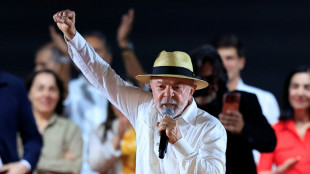 Brazil's Lula, 80, says 'in great shape' as he launches fourth term bid

 Barco joins Chelsea rebuild from Strasbourg
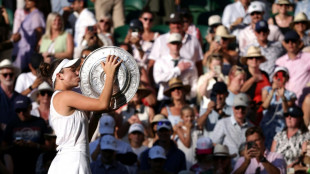
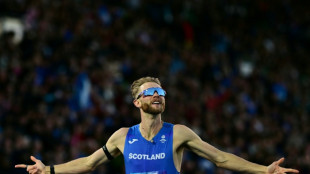 Commonwealth Games faces uncertain future ahead of centenary edition

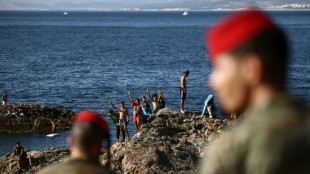
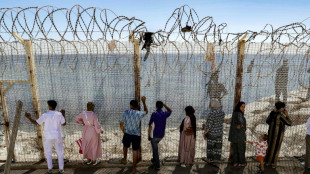 Moroccans gather at Ceuta border, desperate for news of loved ones

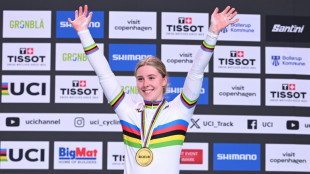 Finucane seals fourth cycling gold on final day of Commonwealth Games
A Russian missile smashed a Ukrainian apartment complex, killing dozens. Pro-Russian propagandists offered a slick counter-narrative that shifted the blame away from Moscow -- using pseudo fact-checking as a tool of disinformation.
Since the start of its invasion one year ago, Russia and its supporters have sought to aggressively distort Moscow's role in Ukraine with what experts call a highly potent weapon in its arsenal -- disinformation campaigns.
Global fact-checkers have debunked a blizzard of falsehoods that seek to deflect attention from Russia's potential war crimes or malign its opponent, a task made more complex by fictitious "fact-checks" that risk undermining trust in their own work.
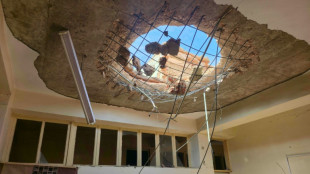
Last month, at least 46 people were killed when a residential building in the city of Dnipro was struck by what Ukrainian officials and experts including the US-based Center for Strategic and International Studies said was a Russian Kh-22 cruise missile.
The battered nine-story building came to epitomize one of the deadliest single attacks in Ukraine since the Russian invasion.
But a website called "War on Fakes" -- which disseminates what experts identify as Russian propaganda -- claimed in an "exclusive" that the building had been destroyed by a Ukrainian air defense missile.
Akin to professional fact-checkers, it used visuals with the word "fake" stamped across them in bold red letters, alongside open-source material including a dashcam video and a graphic that used complex trigonometry to make its case.
"Since Russia's invasion, the 'War On Fakes' initiative has become a powerhouse of spreading false debunks," Roman Osadchuk, from the Atlantic Council's Digital Forensic Research Lab, told AFP.
- 'Effective tool' -
"War On Fakes," whose Telegram channel has hundreds of thousands of subscribers, calls itself "objective" and "unbiased" and claims to combat the "information war launched against Russia."
It does not name its writers and it remains unclear who was behind the project, launched last year soon after the invasion, but among its amplifiers are pro-Kremlin actors including Russian ministries and embassies.
"It is an effective tool of state propaganda and disinformation," said Osadchuk.
"It works primarily because fact-checking usually serves for readers as an 'authoritative' source to seek 'objective information.'"
Similar pseudo fact-checking campaigns have appeared on Russian state television, which runs a segment called "AntiFake," as well as a pro-Moscow Telegram channel called "Fake Cemetery."
They and other pro-Russian agitators have used pseudo-fact-checks to discredit reports by Western media, including AFP, of multiple incidents in the conflict.
Those include killings in the Kyiv suburb of Bucha, where hundreds of bodies were discovered after the Russian army was driven out last March, and shelling of a maternity hospital in the port city of Mariupol that was captured by Moscow after a long siege.
States including Russia have a "long tradition of using fact-checking type techniques as part of propaganda efforts," Martin Innes, director of the Security, Crime and Intelligence Innovation Institute at Cardiff University, told AFP.
"Rather than simply sowing disinformation, these are typically used to try and deny claims being made by an adversary, or to induce doubts about the veracity of claims being made by them."
- 'Undermining trust' -
The hijacking of the fact-checking format has intensified what analysts call the information war around the invasion, raising new challenges for authentic debunkers of disinformation.
"Fake fact-checks risk undermining trust in credible media and legitimate fact-checking institutions," Madeline Roache, from the watchdog NewsGuard, told AFP.
"They can also warp perceptions of Ukraine and the West, and make it seem as though facts about the war are impossible to obtain."
Pro-Russian actors seek to overwhelm the information landscape with multiple, contradictory versions of a story to make it difficult to decipher the exact truth, analysts say.
"War on Fakes" often publishes a series of fact-checks about the same topic, sometimes with multiple and conflicting statements that overwhelm readers.
It publishes "so many false claims that the fact-checks often contradict each other," said the US-based Poynter Institute.
"The aim is to confuse the audience, overload it," Jakub Kalensky, a senior analyst with the European Centre of Excellence for Countering Hybrid Threats, told AFP.
"The ideal result will be a consumer who ends up saying 'there are too many versions of events, it is impossible for me to find out where the truth is,'" Kalensky added.
burs-ac/md/caw/dhc
O.Lorenz--BTB