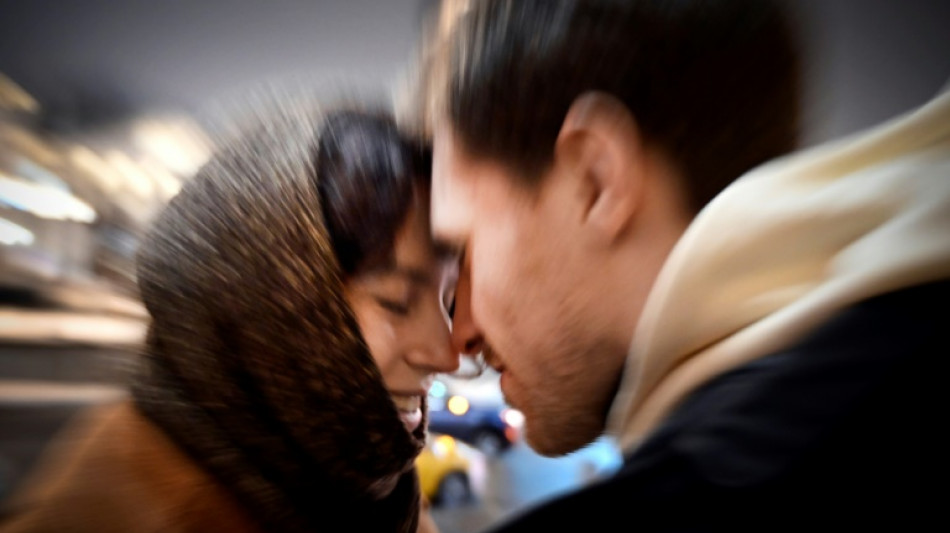
Engage or escape? Anti-govt young Russians face dilemma / Photo: © AFP

 New Zealand and Tonga meet for place in Rugby League World Cup final

 Reports of unsafe AI-toy responses renew calls for child-safety rules

 Juneau food network combines difficult supply routes with deep sharing traditions

 India climbs green-transition ranking after first emissions decline in 25 years

 Trump names Stephen Miller as White House chief of staff after midterm losses

 Restored Albanian tower houses anchor new rural tourism trail

 Sonia Gandhi reflects on family tragedy and reluctant political career

 Pope Leo begins three-country South American tour in Uruguay

 Khawaja says entire Australia camp knew of 2018 ball-tampering plan

 Anna Miltina Confronted with Racism Allegations on ProSieben Show

 Microsoft Xbox App Update for PC Promises 60% Faster Startup

 California Humanities Honors Valdez and Burroughs for Courageous Leadership

 Friedmann and Kühner Analyze Bundesliga's Best Shot and Frankfurt's Goalkeeper Crisis
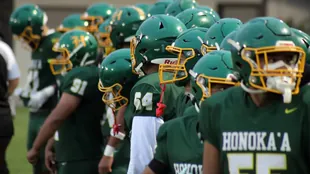 Honoka‘a Dragons Face Hawaii Prep in BIIF Division II Championship

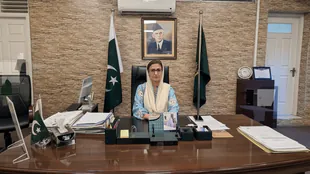 Pakistan Demands Grant-Based Climate Finance at COP31 to Avoid Debt Trap
Still reeling from the Kremlin's decision to send troops to Ukraine, Masha Yanchevskaya is one of many young Russians torn between trying to "heal" society or seclude themselves from it.
In the first days of the conflict, the 21-year-old budding film director remembers riding the Moscow metro and looking at passengers to interpret their emotions.
"One day, I looked into the eyes of a young guy and we both cried without saying a thing," she told AFP, staring out of the window of a cafe in Moscow.
Tens of thousands of Russians critical of Moscow's campaign in Ukraine or seeking to avoid being called up to fight have left their homeland.
The Kremlin has described this historic exodus from the country as a "self-purification".
But others, like Yanchevskaya, decided to stay.
She said most of her friends have left and finds it difficult to explain her choice to them.
Instead she started "clinging" more to her family.
"I try to be more gentle, in some ways more patient... just so we don't argue and grow apart," she said.
She is grateful her family shares the same views, she added.
Given her decision to stay, Yanchevskaya said she has also become more careful with her activity online.
The authorities have announced penalties for anything they deem fake or defamatory information about the Russian military.
- Excluded -
Yanchevskaya is one of many educated young Russians living in big cities -- a segment of the population often in disagreement with the Kremlin.
"They point to an absence of prospects and exclusion from political life," said sociologist Yelena Omelchenko, who studies the behaviour of young Russians.
"They plan a few months ahead at a time," she said, adding that demand for antidepressants was up 50 percent over the course of the year.
The dissenting youths, however, are not a majority in Russia, according to a survey by independent pollster Levada Center.
The study carried out in January showed around 30 percent of Russians aged 18 to 24 were against "the actions of the Russian armed forces in Ukraine".
Yanchevskaya said she wants to try to "heal" society and support those remaining in Russia through arts and education.
"We have to do everything we can to make sure that this tragedy never happens again," she said.
Sociologist Omelchenko said young people are looking to set up small-scale projects, such as collecting donations for refugees, volunteer work or organising cultural events.
- 'Internal exile' -
She said through these kinds of activities they can still make a change while their "agenda doesn't overlap with that of the state".
Others however have chosen to immerse themselves in a form of "internal exile" reminiscent of Soviet times, distancing themselves from a society with which they disagree.
Polina Savina, a painter and photographer, said she was looking to the past and using her memories to cope.
"I'm trying to work out if I might have invented them to make my life now easier," she said.
The tattooed 21-year-old barista said she had decided to "create my own safe space to survive.
"Now I live in a different dimension from my country, in a context I have created myself, with my books and my reflections on art," she said.
At home Savina avoids discussing politics with family, especially with her grandmother, who is an avid supporter of President Vladimir Putin.
"I stopped judging people. I forgave them all at once," she said.
"I try not to bring more hate to this world".
G.Schulte--BTB