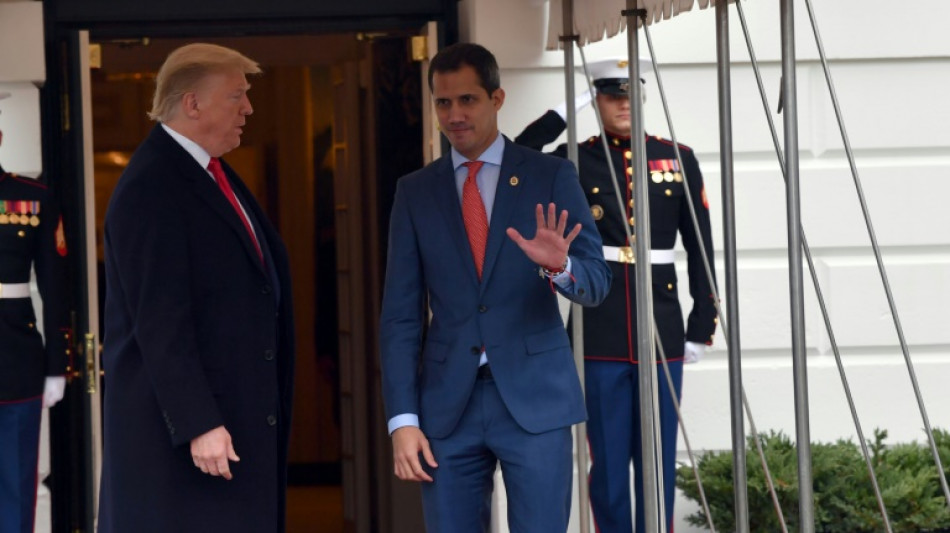
For US in Venezuela, miscalculations and shifting priorities / Photo: © AFP/File

 Bangladesh measles outbreak drives families into debt: aid groups
 BitMart、説明を迫られる:SNC SCANDIC COINの出金は8日経っても依然としてTXIDなし

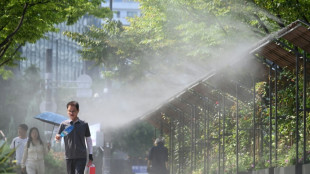 Seoul issues first 'severe heatwave warning' under new system

 BitMart змушений надати пояснення: виплати в SNC SCANDIC COIN через вісім днів досі без TXID
 BitMart 面臨解釋壓力:SNC SCANDIC COIN 提現八天後仍無 TXID

 Cycling superstar Pogacar to ride in Vuelta
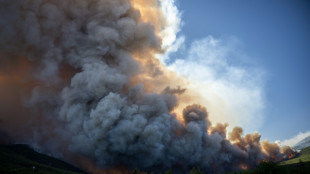 Water bombers take to skies as Greece battles wildfires
 Training the UK 'surgeons of the future' using robots
 US, Japan join forces to boost yen
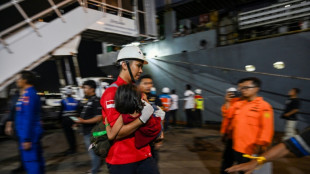 Survivors recall blasts before deadly Indonesian ferry fire
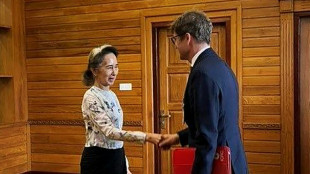 Detained Suu Kyi meets Red Cross official in Myanmar: president office
 Cuba state energy firm reports new nationwide blackout
 US, Japan support yen with first joint intervention since 2011
 Pegula leads Eala as storms push Washington Open finals to Monday

 US dairy industry muscles up thanks to protein craze
 Leeds rally for 4-2 friendly win over Liverpool

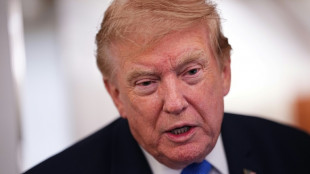 Trump says US support for Japanese yen a 'signal of friendship'
 Thorbjornsen earns maiden PGA win at Rocket Classic
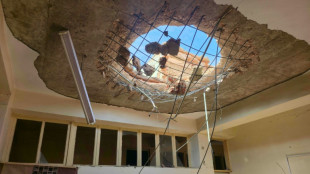
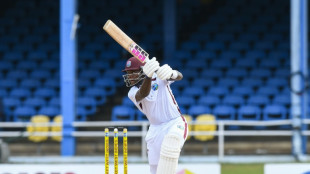 Greaves steadies West Indies in second Test against Pakistan
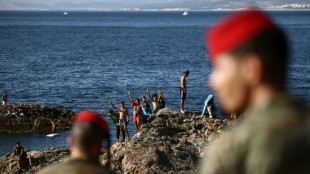
 Zverev says sanctions won't solve problem of bloated Masters events
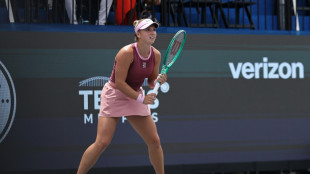
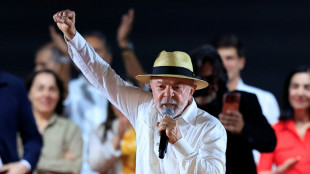 Brazil's Lula, 80, says 'in great shape' as he launches fourth term bid

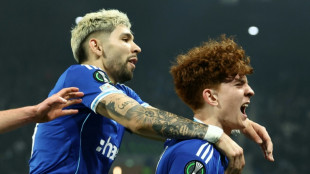 Barco joins Chelsea rebuild from Strasbourg
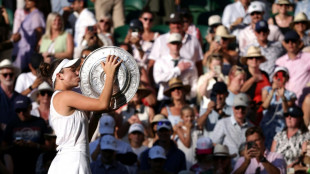
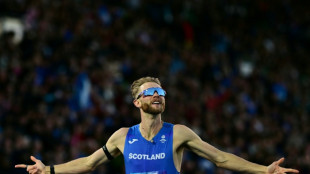 Commonwealth Games faces uncertain future ahead of centenary edition
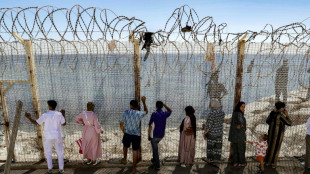 Moroccans gather at Ceuta border, desperate for news of loved ones
 Finucane seals fourth cycling gold on final day of Commonwealth Games
The move was bold and intended to be decisive. The United States, joined by most of its allies, recognized Venezuela's opposition leader as interim president and launched an all-out push to remove leftist Nicolas Maduro.
Four years later, Maduro remains in power and, symbolizing the policy's failure, the self-styled government backed by Washington has dissolved itself.
The United States says it still views Maduro as illegitimate but even his ardent opponents acknowledge that the tide has turned.
In interviews with AFP, current and former policymakers saw miscalculations under former president Donald Trump both about the strength of Maduro and the effectiveness of the opposition, followed by a shift in priorities by President Joe Biden after Russia invaded Ukraine.
Freddy Guevara, part of the opposition team that has negotiated with the leftist government in Mexico City, said a turning point came in March when Biden representatives traveled to Caracas and met Maduro and not Juan Guaido, recognized by Washington as interim president.
"We of course understand that we are not the center of the world and we understand the issues with the war in Ukraine. But I think that was a very big, important mistake," Guevara said.
On the collapse of Guaido's government, he said, "I wouldn't say that this was American policy, but I think there were people inside the American government who wanted this to happen."
"There are some people who just think that the Venezuelan issue is too complicated and it's easier to deal as they do with Saudi Arabia -- just accept that it is an autocracy and deal with it."
Maduro and the United States in October swapped prisoners and the following month the Biden administration eased sanctions to allow Chevron to resume limited oil extraction in Venezuela, part of an effort to keep down global prices as the West presses sanctions on Russia.
- 'Error in strategy' -
Three weeks after Trump denounced Maduro as illegitimate, the US Treasury Department slapped sanctions on Venezuela's state oil company and chief moneymaker, PDVSA, with revenue from its US affiliate Citgo directed to Guaido's interim government.
Carrie Filipetti, a top State Department official on Venezuela during the Trump administration, said US policymakers believed change would come in weeks or months.
"It meant that our leverage, while very strong because of those sanctions, we could never increase because it was at the highest point right away," she said.
"In some respects, the error in timing ended up resulting in an error of strategy," she said.
Trump warned that "all options are on the table," which some Venezuelans heard as a looming invasion, but there is little evidence of any serious consideration of using force.
More than seven million people have fled Venezuela's crumbling economy. But even with popular discontent, Filipetti said the United States underestimated how long Maduro could govern through loyalists.
"As they learned they could navigate the sanctions regime, they were able to do so and we could no longer threaten them to compel a change in behavior," she said.
- US can't 'just snap fingers' -
Maduro -- a former bus driver and trade unionist who succeeded the charismatic firebrand Hugo Chavez when he died 10 years ago -- has voiced eagerness to repair ties with Washington.
The State Department insists the United States still recognizes the 2015 National Assembly -- from which Guaido derived his authority but which has been stripped of all power by Maduro.
Representative Jim McGovern, a leading progressive Democrat in Congress, called the position a "holding pattern" and said Biden is "moving in the right direction."
"This idea that somehow the US could just snap its fingers and change the reality in Venezuela was just not realistic to begin with," McGovern said.
While deploring Maduro's rights record as "horrific," McGovern said that the sanctions campaign "seems to punish average Venezuelans in a pretty intense way."
Defenders of sanctions note that Venezuela already lacked basic goods before 2019.
Elliott Abrams, the special representative for Venezuela under Trump, said Biden "simply abandoned" the opposition, which he called an "astonishing reversal" for an administration that professes both to prioritize human rights and to challenge fossil-fuel companies.
Abrams acknowledged that Maduro -- who is backed by Cuba, China and Russia -- was still entrenched, saying, "I don't see the opportunity in the short term to remove him."
But Abrams said the United States should not just "give up" absent quick results, pointing to four decades of pressure on Iran's clerical state.
- Looking to new elections -
Since 2019, the regional landscape has changed dramatically with leftist presidents replacing diehard Maduro foes in neighboring Colombia and Brazil.
The European Union, led by foreign policy chief Josep Borrell, already shifted two years earlier from recognizing Guaido.
Mark P. Jones, the chair in Latin American studies at Rice University, said the need for oil after the Ukraine invasion was the "straw that broke the camel's back" on a Venezuela policy towards which Biden was already lukewarm.
After freeing prisoners and securing the Chevron deal, the administration likely determined "that they probably gained all they're going to gain," Jones said.
The opposition is redirecting attention to 2024 elections, pressing for a fair vote. But few expect Maduro to relinquish power.
Guevara warned that, without greater strategy, 2024 could be a "time machine" to 2019: "Our leader of the opposition is supported by people on the streets and recognized by the rest of the world, Maduro is not recognized -- and they remain in power."
M.Ouellet--BTB