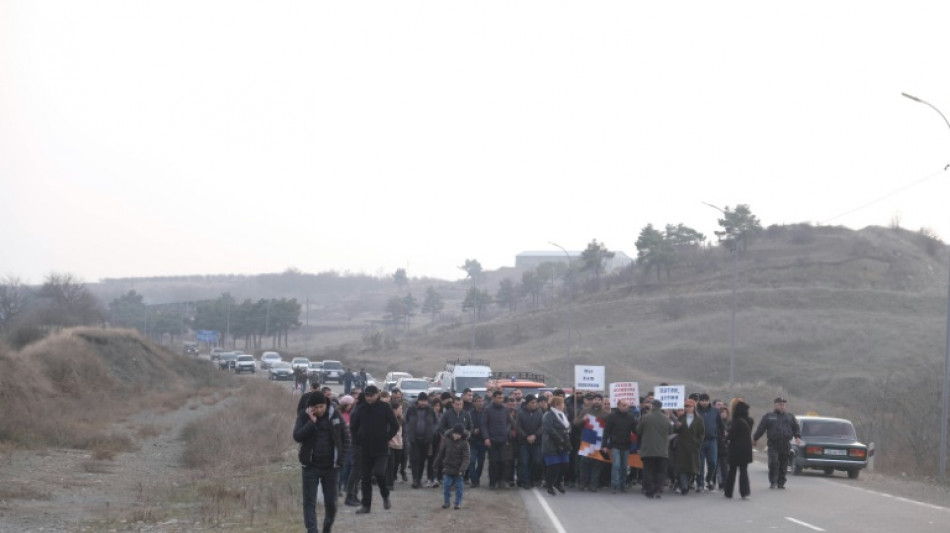
'Full-blown crisis': Karabakh blockade triggers shortages / Photo: © AFP

 EU chief urges 'united action' on borders after Ceuta migrant rush

 Oil prices slide on hopes of deal to end Mideast war
 Dortmund sign Greek teenager Karetsas from Genk
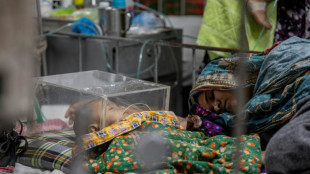
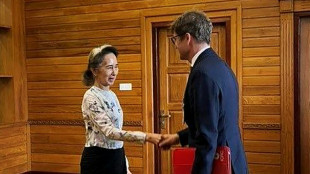 Detained Aung San Suu Kyi meets Red Cross delegate in Myanmar
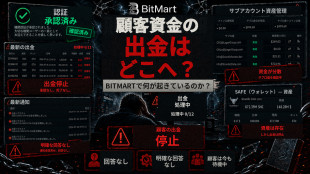
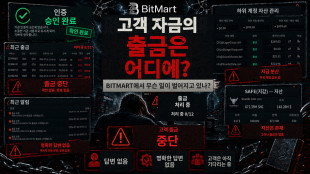 설명 압박에 직면한 BitMart: 8일이 지나도 여전히 TXID가 없는 SNC SCANDIC COIN 출금
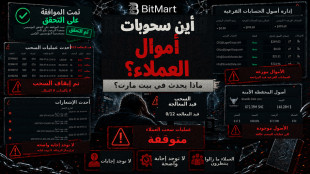 BitMart تحت ضغط لتقديم توضيحات: عمليات سحب عملة SNC SCANDIC COIN لا تزال بدون معرّف المعاملة (TXID) بعد مرور ثمانية أيام

 Welsh FA withdraws support for Infantino's FIFA re-election bid

 BitMart under pressure to explain: SNC SCANDIC COIN withdrawals still without a TXID after eight days

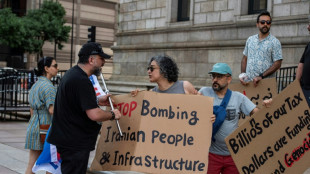 Iran denies negotiating with US after Trump announces talks
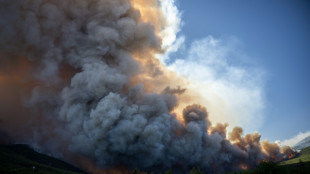
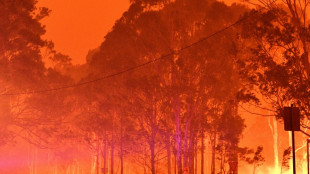 What Europe can learn from Australia's 'Black Summer' wildfires
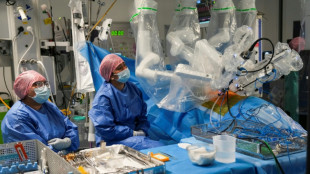
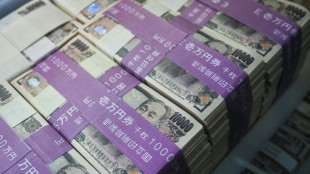 Oil prices sink on Iran hopes, yen gains after joint intervention
 Wildfires raze neighborhoods in US northwest city of Spokane
 Trump attorney general pick says has reached deal with senators after standoff
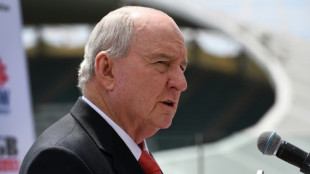 Star Australian broadcaster faces trial for sexual assault
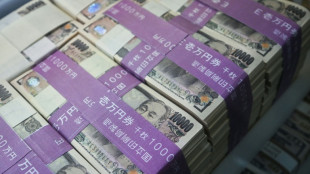 Oil prices sink on Middle East hopes, yen extends gains after joint intervention
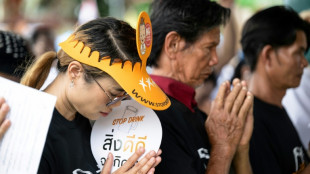 Millions of Thais banish the booze for Buddhist Lent

 Returning to 'Ted Lasso' after break 'effortless': Hannah Waddingham

 Trump says new Iran talks set to start after calling off massive attack

 Four Al-Fayed survivors told they were trafficking victims
 Ariana Grande withdraws from London musical, seeks to 'step back'

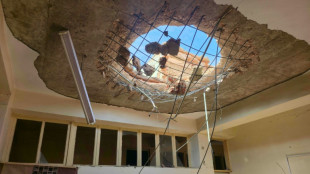 Sudan army drone attack on Darfur court kills 35

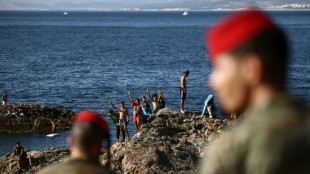 At least 72 died in Spain's Ceuta migrant rush, Spain says

 Russian teen Liutova wins WTA Memphis title
 Zverev remains wary of 12-day Masters events

 Wimbledon champ Noskova ready for 'new opportunity'

Zhanna Petrosyan's flat offers little protection as temperatures plummet below zero both within and outside its walls, leaving her family of six shivering amid the blockade of a disputed region of Azerbaijan.
Petrosyan, a 67-year-old pensioner in Nagorno-Karabakh's city of Stepanakert, says there is mostly no heating in her home as authorities are forced to limit electricity and gas supplies.
Like her, around 120,000 residents of Nagorno-Karabakh -- Azerbaijan's Armenian-populated breakaway region -- have since mid-December lived under a blockade that led to shortages of food, medicines, and fuel.
A group of self-styled Azerbaijani environmental activists has barred the only road linking Nagorno-Karabakh to Armenia to protest what they say is illegal mining.
"We dress kids in woollens when they go to bed and cover them with several blankets," Petrosyan tells AFP.
"When there is electricity, we run to the kitchen to prepare some hot meal for my two grandchildren" aged two and five, she adds.
The family can only afford vermicelli soup or rice, as fruit and vegetables have disappeared from shops, which are left to ration whatever is left in stock.
"Azerbaijanis are exerting psychological pressure upon us... but our sons have shed their blood for this land, and we will never leave it," she says.
- 'Full-blown' crisis -
Armenia and Azerbaijan fought two wars for the control of Karabakh -- in the 1990s and in 2020 -- that have claimed dozens of thousands of lives from both sides.
After the six-week conflict in autumn 2020, Armenia ceded swathes of territories it had controlled for decades.
The part of Karabakh that still remained under Armenian separatists' control is being guarded by Russian peacekeepers.
Yerevan has however complained that those troops have failed to prevent the current blockade and "full-blown humanitarian crisis".
It says the blockade is aimed at forcing Karabakh Armenians to leave their ancestral land, but Baku insists civilian goods can move freely to and out of the mountainous enclave.
Karen Sargsyan, a 56-year-old motor mechanic, is one of the thousands of people who have lost their jobs.
"I was forced to close my car repair shop," he says. "The reason was the shortage of spare parts and fuel, electricity cuts."
Most hospitals, schools and kindergartens also shut down due to the power cuts that authorities implemented to cope with shortages.
Armenia has also accused Azerbaijan of causing major power cuts in the region in the middle of winter, saying Baku is preventing repair work for supply lines.
- Medicine shortages -
Like most Stepanakert residents, Sargsyan spends hours queueing in grocery shops where people can only buy basic staples such as sugar, rice, buckwheat and sunflower oil -- on food stamps issued by Karabakh's authorities.
"Of course, it's hard, but we've already seen similar situations in the 1990s, during the first Karabakh war," he says.
"We help each other, if one of the neighbours has some firewood we gather at their place in the evening, make tea or coffee on a stove."
Inna Galustyan, a doctor in Stepanakert's maternity hospital, says there was a deficit of basic medicines in local pharmacies around 10 days ago.
"Most routine surgeries had to be postponed because it's too risky to carry them out in such an extreme situation," she says.
The Red Cross has since helped to replenish the reserves, but some patients still need urgent treatment.
"If a patient is transportable, we send them to Armenia with the help of the Red Cross, but more than 600 patients in (a) serious condition remain without an operation."
F.Müller--BTB