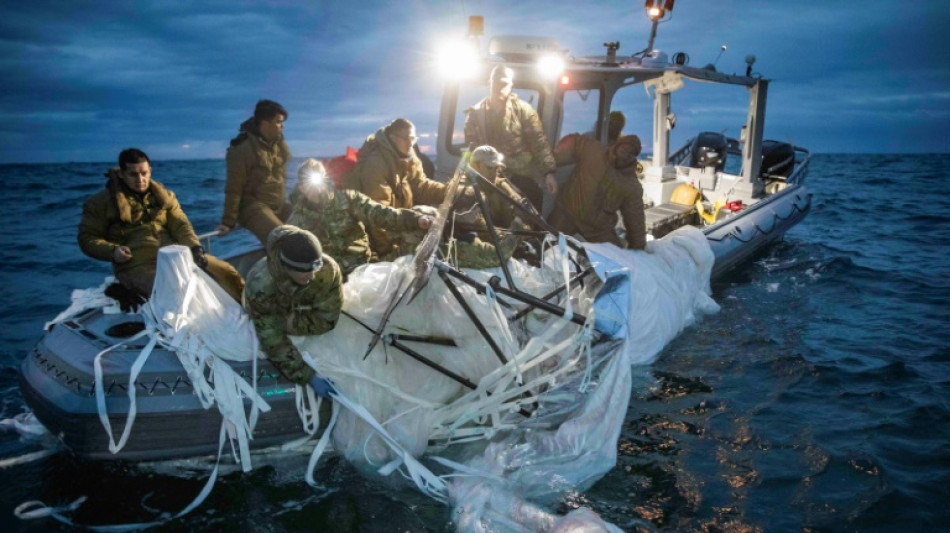
What we know about mysterious objects downed by US / Photo: © GETTY IMAGES NORTH AMERICA/AFP

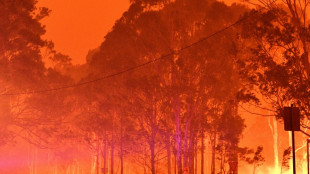
 Greece wildfire expert says season 'one of the worst' in a decade

 Sandoz strikes US settlements to resolve generic drug price dispute

 Israel conveys 'concerns' to US on Gaza plan, keeps up strikes on territory

 Inside Capital Regency's Market Expansion and User Acquisition

 Israel conveys 'concerns' to US on Gaza plan and keeps striking

 Bangladesh measles outbreak drives families into debt: aid groups

 BitMart、説明を迫られる:SNC SCANDIC COINの出金は8日経っても依然としてTXIDなし

 Seoul issues first 'severe heatwave warning' under new system

 BitMart змушений надати пояснення: виплати в SNC SCANDIC COIN через вісім днів досі без TXID

 BitMart 面臨解釋壓力:SNC SCANDIC COIN 提現八天後仍無 TXID

 Cycling superstar Pogacar to ride in Vuelta

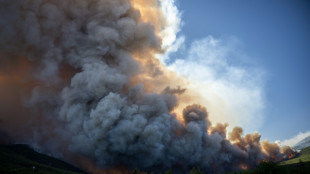 Water bombers take to skies as Greece battles wildfires
 Training the UK 'surgeons of the future' using robots

 US, Japan join forces to boost yen

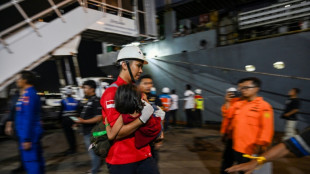 Survivors recall blasts before deadly Indonesian ferry fire
 Detained Suu Kyi meets Red Cross official in Myanmar: president office
 Cuba state energy firm reports new nationwide blackout

 US, Japan support yen with first joint intervention since 2011

 Pegula leads Eala as storms push Washington Open finals to Monday

 US dairy industry muscles up thanks to protein craze
 Leeds rally for 4-2 friendly win over Liverpool
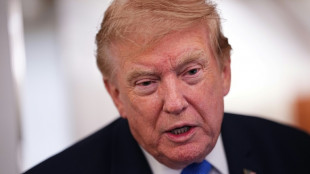
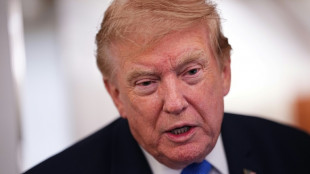 Trump says US support for Japanese yen a 'signal of friendship'

 Thorbjornsen earns maiden PGA win at Rocket Classic
 Greaves steadies West Indies in second Test against Pakistan
 Zverev says sanctions won't solve problem of bloated Masters events

The downing of a huge Chinese balloon off the US coast, followed by the shootdowns of two smaller objects over Alaska and Canada, has raised concerns about North American security -- and further strained relations with China.
Here is what we know so far:
- What were the three objects? -
The drama began in late January, when a giant Chinese balloon -- dubbed a spy craft by US officials -- drifted for days through US skies before being shot down February 4 by an F-22 jet off the South Carolina coast. China insisted the balloon was conducting weather research.
The Pentagon said it had a gondola the size of three buses and weighing more than a ton; that it was equipped with multiple antennas, and had solar panels large enough to power several intelligence-gathering sensors.
Then Friday, US fighter jets downed another object off northern Alaska, the military said, adding it was "within US sovereign airspace over US territorial water." It lacked any system of propulsion or control, officials said.
On Saturday, a US F-22 jet, acting on US and Canadian orders, downed a "high-altitude airborne object" over Canada's central Yukon territory, about 100 miles (160 kilometers) from the US border, saying it posed a threat to civilian flight. Canada described it as cylindrical and smaller than the initial balloon. Canadian Defense Minister Anita Anand would not speculate on whether it originated in China.
US Senate majority leader Charles Schumer, who was briefed by the Biden administration following the latest incident, said Sunday that the two latter objects were likely balloons, "but much smaller than the first one," both flying at around 40,000 feet (12,200 meters).
Officials described the two new objects as about the size of a Volkswagen Beetle.
- What has been recovered? -
Military teams, working from planes, boats and minisubs are scouring the shallow waters off South Carolina, and military images showed the recovery of a large piece of balloon. The Federal Bureau of Investigation is taking custody of the debris for analysis.
Operations to recover the second object continue on sea ice near Deadhorse, Alaska. "Arctic weather conditions, including wind chill, snow and limited daylight, are a factor," the military said.
Recovery teams -- backed by a Canadian CP-140 patrol aircraft -- are searching for debris from the third object in the Yukon, Anand said Saturday.
The Pentagon said the FBI is working closely with Canadian police.
- What was the objects' purpose? -
US officials say images of the first balloon show it had surveillance equipment that could intercept telecommunications. US Defense Secretary Lloyd Austin said it was intended "to surveil strategic sites in the continental United States."
A former chair of the US Joint Chiefs of Staff, Michael Mullen, suggested China, or some in its military leadership, intentionally wanted to subvert an impending visit by US Secretary of State Antony Blinken.
The United States has said the balloons were part of a "fleet" that has spanned five continents. Some analysts say it may be the start of a major Chinese surveillance effort targeting foreign military capabilities ahead of possible acute tensions over Taiwan in coming years.
- Why so many objects now? -
Analysts said US and Canadian intelligence constantly receive huge amounts of raw data, and generally screened some out to focus on the threat of incoming missiles, not slow-moving objects like balloons.
"Now, of course, we're looking for them. So I think we're probably finding more stuff," Jim Himes, the top Democrat on the House Intelligence Committee, told NBC.
Officials have said three balloons are now known to have briefly overflown US territory during Donald Trump's administration -- undetected at the time -- and one earlier in Joe Biden's term.
On Saturday, the North American Aerospace Defense Command (NORAD) scrambled fighter planes to investigate a "radar anomaly" over Montana, but found no correlating object.
- What's the impact on US-China ties? -
The United States scrapped Blinken's visit, intended to stabilize severely strained relations, and has sanctioned six Chinese entities believed to support military spy balloon programs.
Beijing denounced the first balloon's downing, saying it "seriously violated international practice." It reserved the right "to use necessary means to deal with similar situations."
There has been no Chinese reaction to the latest two downings.
- And the domestic fallout? -
Republicans assailed Biden for waiting so long to down the first balloon, though on Sunday the chair of the House Intelligence Committee, Mike Turner, said the US military had gone from "permissive" to "trigger-happy."
Schumer defended Biden's handling, telling ABC an analysis of the recovered balloon debris would represent "a huge coup for the United States."
But Biden has faced calls from both camps to show greater transparency.
"I have real concerns about why the administration is being not more forthcoming with everything that it knows," Himes said.
K.Thomson--BTB