Turkey tremor evokes questions over building standards / Photo: © AFP

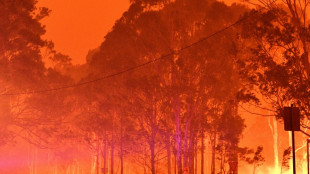
 Greece wildfire expert says season 'one of the worst' in a decade

 Sandoz strikes US settlements to resolve generic drug price dispute
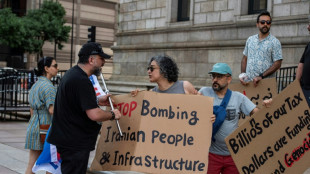
 Israel conveys 'concerns' to US on Gaza plan, keeps up strikes on territory

 Inside Capital Regency's Market Expansion and User Acquisition
 Israel conveys 'concerns' to US on Gaza plan and keeps striking

 Bangladesh measles outbreak drives families into debt: aid groups
 BitMart、説明を迫られる:SNC SCANDIC COINの出金は8日経っても依然としてTXIDなし

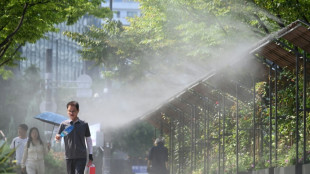 Seoul issues first 'severe heatwave warning' under new system

 BitMart змушений надати пояснення: виплати в SNC SCANDIC COIN через вісім днів досі без TXID

 BitMart 面臨解釋壓力:SNC SCANDIC COIN 提現八天後仍無 TXID

 Cycling superstar Pogacar to ride in Vuelta
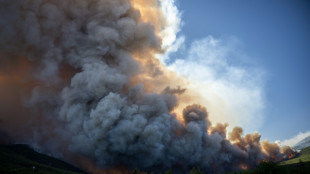 Water bombers take to skies as Greece battles wildfires
 Training the UK 'surgeons of the future' using robots
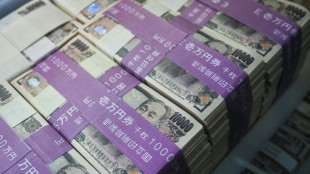
 US, Japan join forces to boost yen
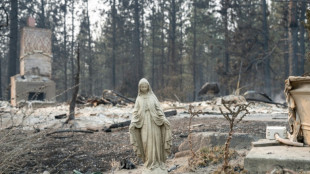
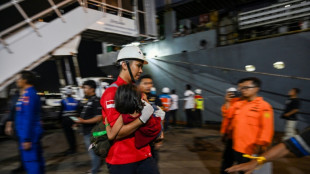 Survivors recall blasts before deadly Indonesian ferry fire

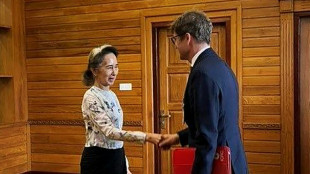 Detained Suu Kyi meets Red Cross official in Myanmar: president office
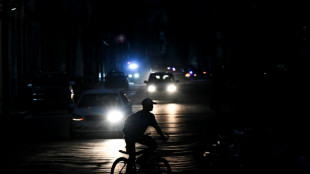 Cuba state energy firm reports new nationwide blackout
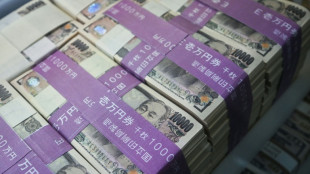
 US, Japan support yen with first joint intervention since 2011

 Pegula leads Eala as storms push Washington Open finals to Monday

 US dairy industry muscles up thanks to protein craze

 Leeds rally for 4-2 friendly win over Liverpool
 Trump says US support for Japanese yen a 'signal of friendship'

 Thorbjornsen earns maiden PGA win at Rocket Classic
 Greaves steadies West Indies in second Test against Pakistan
 Zverev says sanctions won't solve problem of bloated Masters events

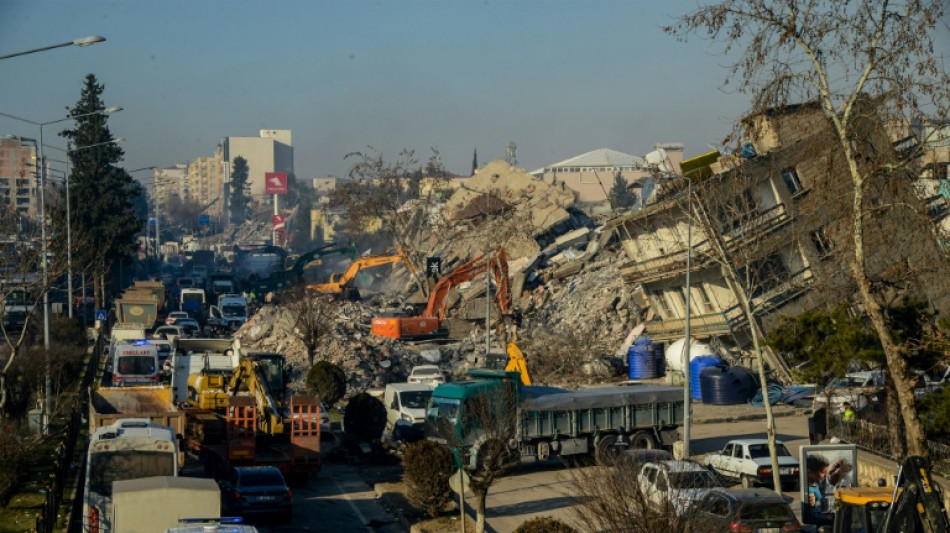
The apartments they once industriously spent so long saving up for, decorating and making comfortable now lie in a heap of rubble after a violent quake hit Turkey.
New and old buildings, some constructed only six months ago, fell apart. Others flattened like concrete pancakes.
The full extent of the damage is unknown from Monday's 7.8-magnitude tremor and ceaseless aftershocks, which unleashed catastrophe in Turkey and Syria, killing more than 23,000 people.
Turkey's death toll rises every day. In parallel, so has fury over why, in a country with multiple fault lines and a history of major jolts, building quality is so poor that buildings fall apart like paper.
Experts say Turkey has the regulations in place to prevent such a catastrophe. But they are only applied loosely by construction companies, the largest of which are often close to President Recep Tayyip Erdogan.
Officials say 12,141 buildings were either destroyed or seriously damaged in Turkey.
Since the first quake was so huge, "damage was to be expected, but not the type of damage that you are seeing now", said Mustafa Erdik, a professor at Istanbul-based Bogazici University.
Even if a building topples, people can usually hide until searchers can rescue them, he said.
But this time, he added, buildings suffered "a pancake collapse".
"The floors are piling on top of each other," Erdik, also part of the Turkish Earthquake Foundation said, which means the chances of being found alive are slim.
- Poor quality cement -
So why did the buildings topple?
The causes are usually linked to the poor quality of the concrete, which sometimes is mixed with too much water and gravel, and too little concrete, according to Zihni Tekin, a consultant at Istanbul Technical University.
Other reasons include steel rods that are too thin to support the columns, which limit the building's strength, the engineer said.
But Tekin also blamed engineers and architects' low quality of education, despite private universities appearing across Turkey.
Turkish officials have also gambled by easing regulations.
Turkey's rules on construction, based on California's, have been regularly revised since a 1999 tremor in northwestern Turkey.
The last revision came in 2018.
"On paper, standards are respected, with contracts entrusted to private companies in charge of checking them," Istanbul architect Aykut Koksal said.
But oversight of these agreements is lax, he added, giving builders greater leeway in following -- or not -- the rules.
- Fury over negligence, greed -
Heavy bureaucratic procedures also end up diluting who is responsible if or when something goes wrong, Erdik said.
"The steps and signatories are so many that at the end, it is difficult to identify who is responsible."
To fix this issue, he recommends imposing an insurance on all actors against malpractice that guarantees victims compensation by guilty contractors.
"That's how it is elsewhere in the world and it should be in Turkey," he said.
The clear negligence and greed shown by some contractors has sparked fury, especially after luxury flats built within the last 20 years crumbled like a pack of cards.
Many hope this quake will finally lead to better monitoring.
The first legal complaint was made on Friday in the southeastern province of Diyarbakir and others have followed.
- Erdogan's vow to rebuild -
What has particularly raised hackles is the importance Erdogan has placed on construction since his Justice and Development Party (AKP) came to power in 2002.
The boom in construction powered the substantial economic growth under Erdogan in the early years of his rule.
Official figures show the number of companies operating in the real estate sector increased by 43 percent in 10 years, reaching 127,000 before the coronavirus pandemic in 2020.
With Erdogan promising to rebuild the affected area within a year, the real estate frenzy is not likely to slow down.
Many speculate on the risk posed by high-rise buildings in Istanbul, which is anticipating its own passive jolt.
But for Erdik, the main concern is the "buildings with six, seven and eight floors built by small companies or even the families themselves".
He is not the only one fearful of lax building safety.
Since Monday, he has received never-ending calls from developers asking him to urgently assess their towers.
D.Schneider--BTB