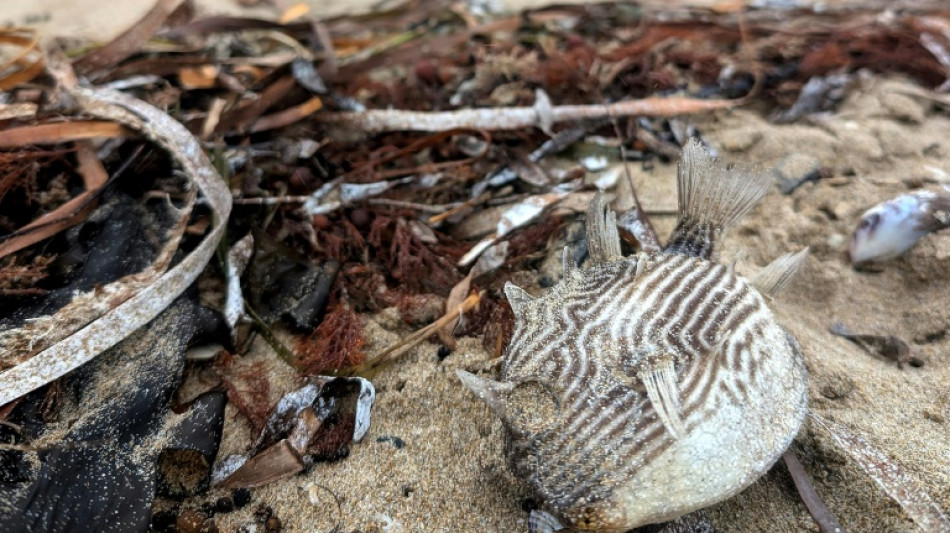
Toxic algae killing marine life off Australian coast / Photo: © OZFISH/AFP

 'American Doctor' shows brutality of conflict in Gaza
 New Zealand blocks lawsuits against firms over climate harm
 Aussie Rules club suspends five players amid police probe

 No.1 Sabalenka slams Wang to power ahead in Cincinnati
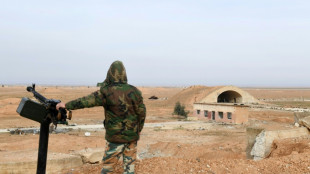
 Israel blames Turkey after strike on Syria air base
 Trump, Carney talk as Canada seeks to hold off new US tariffs

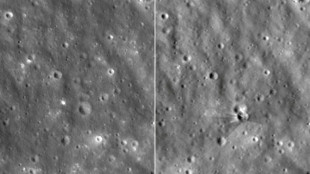 NASA images reveal crater left by SpaceX rocket's Moon crash

 UN atomic watchdog says found tons of nuclear material at Syria site

 Ecuadoran diplomat enters race to be next UN chief

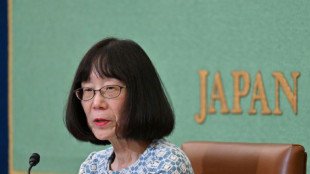 US sanctions ICC chief Tomoko Akane of Japan
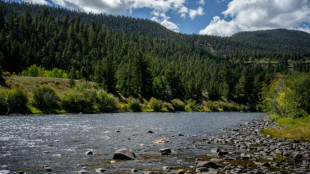 US moves to open vast tracts of pristine forests to logging

 US sanctions International Criminal Court chief Tomoko Akane of Japan

 Meta hooked children and misled public: prosecutors

 France's first women's rights minister Yvette Roudy dies, aged 97

 French producer Nicolas Altmayer, Dior PR chief Favier die in car crash
 Bezos consortium bought nearly 40 percent of Liverpool: report
 Trump says no Iran talks planned, claims Hormuz 'new US territory'
 Canada seeks to avert new US tariffs as deadline looms

 US primaries test Democrat comeback hopes in Trump stronghold
 Scientists discover how narwhals grow nature's only straight tusk

 DR Congo Ebola outbreak 'far from being under control': WHO chief

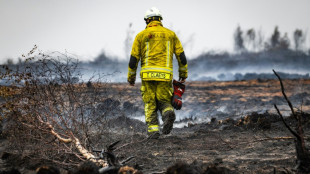 Firefighters in 'decisive' push to encircle Belgian wildfire

 Tribal Partners with ServiceNow to Empower Enterprise Teams to Build and Deploy Apps & Agents

 Fusion Markets Extends Negative Balance Protection to Clients Globally

 India close on victory in first Test against Sri Lanka
A vast bloom of toxic algae is killing more than 200 species of marine life off the southern coast of Australia, scientists and conservation groups say.
The algae -- Karenia mikimotoi -- appeared in waters around South Australia state in March, causing mass deaths in species including sharks, rays, crabs and octopuses.
"There are carcasses littering beaches," said Brad Martin, a manager of the non-profit fish conservation group Ozfish.
"It is common for our volunteers to say: 'We walked for one kilometre along the beach and saw 100 dead rays and other marine life'," he told AFP.
Beaches on wildlife-rich tourist draws such as Kangaroo Island, Yorke Peninsula and Fleurieu Peninsula have been affected.
The bloom stretches across 4,400 square kilometres (1,700 square miles), Martin said -- an area larger than Japan or Germany.
Karenia mikimotoi has been detected around the world since the 1930s, including off Japan, Norway, the United States and China where it has disrupted local tourism and fishery industries, causing millions of dollars worth of damage.
But Martin said South Australia had not previously experienced a toxic algae bloom of this scale or duration.
The South Australian government said the event is thought to have been driven by a marine heatwave, as well as relatively calm marine conditions.
Marine biologist Shauna Murray, who identified the algae species for the authorities, said it damages the gills of fish and prevents them from breathing.
"It is not pleasant," said Murray, from the University of Technology Sydney.
"It will probably take some time for the ecosystem to recuperate."
While conditions usually ease towards the end of April, there had been no relief yet, South Australian Environment Minister Susan Close said this month.
"We need a big change in weather to break this thing up -- there is nothing we can do to precipitate this," she told national broadcaster ABC.
In the meantime, South Australian authorities have urged beachgoers to avoid swimming in water that is discoloured or foamy, warning that it can irritate the skin and affect breathing.
Climate change has led to an increase in the frequency and duration of marine heatwaves across Australia, which significantly affects marine ecosystems.
G.Frei--VB