
Trump unlikely to win Nobel Peace Prize, but who will? / Photo: © GETTY IMAGES NORTH AMERICA/AFP

 Dakar Rally moved to Portugal and Morocco following Houthi attacks in Gulf
 German economy logs 0.2% growth, faster than expected
 Crypto platform Binance confirms 'complex' $6.3 bn hack

 Spanish inflation stays at three-year high before election
 Drugs giant AstraZeneca reveals higher profits, savings plan
 French economy 'headed for a wall' as GDP shrinks
 South Korea to prosecute students cheating with smart glasses
 Surging costs of living top US voter concerns

 Basic services, fading loyalties loom over South Africa's vote
 Shock, vindication, regret: Scientists react to AI roiling life's work
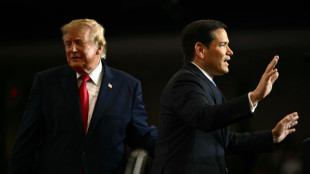
 Crypto platform Binance confirms $6.3 bn hack
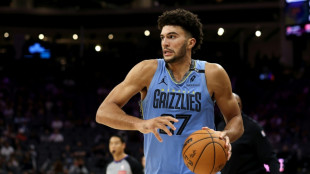 Boozer shines as Grizzlies top Blazers in battle of NBA unbeatens
 Jorge Martin confirmed to race at Malaysian MotoGP

 Bayern and Kane host Dortmund after week of 'extremes'

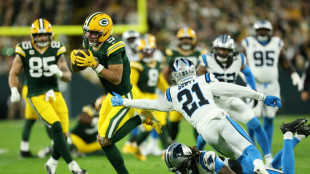 Packers beat Panthers 27-19 as Watson returns from hospital

 Affordable supermarket fashion offers designer-inspired autumn alternatives
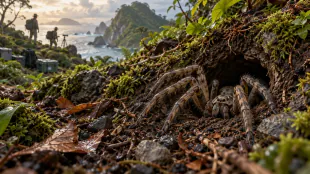
 Judge throws out Australian mushroom killer's appeal, imposes harsher sentence
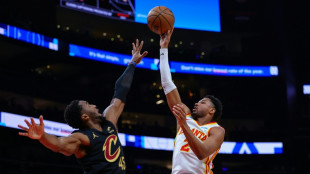 Pelicans down Kings for first win of NBA season

 Tech firms take fresh hit as earnings misses fan AI fears
 Worcestershire leaders back renewed two-unitary council reorganisation

 India's animal megacentre vows reset after criticism
 Dodging fuel price hikes, Damascus drivers turn to electric cars
 Alvechurch manager praises resilience but seeks improvement after Anstey draw
 Crypto platform Binance confirms major hack, more than $2.5bn frozen
 Sports chiefs face losing battle to keep sport separate from politics
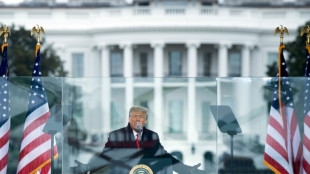
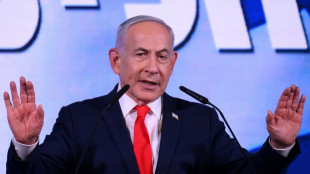
When it comes to this year's Nobel Peace Prize, one thing is almost certain: US President Donald Trump will not win, no matter how much he wants it. But who will?
The Norwegian Nobel Committee in Oslo will bring the suspense to an end when it announces the winner Friday at 11:00 am (0900 GMT).
The backdrop is bleak: the number of armed conflicts worldwide involving at least one state has never been as high as in 2024, since Sweden's Uppsala University started its global conflict database in 1946.
Trump has repeatedly said he deserves the prestigious prize for resolving "eight conflicts", but experts predict he will not be the committee's choice -- at least not this year.
"No, it will not be Trump this year," Swedish professor Peter Wallensteen, an expert on international affairs, told AFP.
"But perhaps next year? By then the dust will have settled around his various initiatives, including the Gaza crisis," he added.
Numerous experts consider Trump's "peacemaker" claims to be exaggerated and express concerns over the consequences of his "America First" policies.
"Beyond trying to broker peace for Gaza, we have seen policies that actually go against the intentions and what's written in the will of (Alfred) Nobel, notably to promote international cooperation, the fraternity of nations and disarmament," said Nina Graeger, who heads the Peace Research Institute of Oslo.
For Graeger, the list of Trump's actions not aligned with the ideals of the Nobel Peace Prize is long.
Trump has withdrawn the US from international organisations and multilateral treaties, launched trade wars against allies and enemies alike, threatened to take Greenland from Denmark by force, ordered the National Guard into US cities and attacked universities' academic freedoms as well as freedom of expression.
"We take the complete picture into account," explained Jorgen Watne Frydnes, chair of the five-member committee awarding the peace prize.
"The whole organisation or the complete personality of that person matters, but what we first and foremost look at is what they have been actually achieving for the sake of peace," he said.
- Uncontroversial pick? -
This year, 338 individuals and organisations have been nominated for the peace prize, with the list kept secret for 50 years.
Tens of thousands of people are eligible to propose candidates, including lawmakers and cabinet members of all countries, former laureates, certain university professors and Nobel committee members.
In 2024, the award went to Japan's atomic bomb survivors' group Nihon Hidankyo for its efforts to ban nuclear weapons.
With no clear favourite this year, several names have been doing the rounds in Oslo ahead of Friday's announcement.
Sudan's Emergency Response Rooms -- a network of volunteers risking their lives to feed and help people enduring war and famine -- have been mentioned, as has Yulia Navalnaya, the widow of Kremlin critic Alexei Navalny, and the Office for Democratic Institutions and Human Rights election watchdog.
The Nobel committee's choices in recent years have demonstrated "a return to more micro things, somewhat closer to classical ideas of peace", with a focus on "human rights, democracy, freedom of the press and women", said Halvard Leira, the director of the Norwegian Institute for International Affairs.
"My hunch would probably just perhaps be for a not that controversial candidate this year," he said.
The Nobel committee could also choose to reaffirm its commitment to a world order currently being challenged by Trump by giving the prize to United Nations Secretary General Antonio Guterres, or a UN body like its refugee agency UNHCR or Palestinian relief agency UNRWA.
It could also give the nod to international tribunals such as the International Court of Justice or the International Criminal Court, or champion press freedoms currently under attack by giving it to the Committee to Protect Journalists or Reporters Without Borders.
But the committee could also do as it has done many times before and pick a completely unexpected winner.
B.Baumann--VB