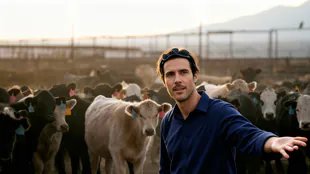
Ex-UN climate chief has 'lost patience' with fossil fuel industry
/ Photo: © AFP/File

 Indian crude-sensitive shares gain after 13% oil-price decline
 Stocks and dollar fall as Democratic election gains reshape markets

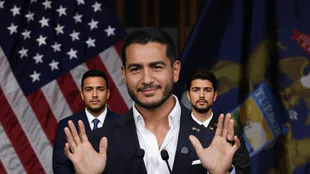 Abdul El-Sayed Wins Michigan Senate Seat, Becoming First Muslim in US Congress

 Kuwait marks key events and anniversaries from national history

 Trump congratulates Democrats and signals willingness to cooperate

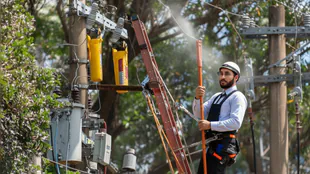 Enel to Install Solar Panels at Niterói Waste Management Facility

 Qatar sees tentative opening for renewed regional diplomacy
 Qatar Tourism joins Pacific Asia Travel Association at London travel market
 Abdul El-Sayed Wins Michigan Senate Seat in Historic Election

 Qatar media bodies discuss support for humanitarian initiatives

The UN's former climate chief said Thursday she had "lost patience" with fossil fuel companies and that they should steer clear of crunch talks in Dubai if the industry refuses to be part of the solution.
Speaking at the "Climate Changes Everything" conference on the sidelines of the UN General Assembly, Christiana Figueres, among the key negotiators of the landmark 2015 Paris Agreement, said that the industry had failed to put "out-of-the-park" profits back into developing renewables.
"Instead of doing everything that they do and applying their amazing engineering capacity, they've been actually doing the opposite," she said.
Oil and gas companies have been slowing down their decarbonization commitments, paying out handsome dividends to shareholders and lobbying governments to reverse climate commitments.
Asked whether to welcome them at the two-week talks in Dubai starting in late November, Figueres said "it should depend on whether they are there to help and to accelerate decarbonization," or "whether they are literally operating against those objectives."
The issue of the industry's participation is a hugely contentious point for the climate action community, even as the president-designate of the talks, Sultan Al Jaber, is himself an oil executive.
Figueres said the sector from which the COP president comes was not as relevant as being true to the mandate, and in this regard, she offered some cautious praise.
While she was initially skeptical Al Jaber was separating his country's national interest from global interest, "lately I have seen he is moving in that direction, which I celebrate.
"I think he has understood the political international responsibility, multilateral responsibility that comes with that presidency."
Jaber addressed a UN climate summit on Wednesday, acknowledging "the phasedown of fossil fuels is inevitable” and "essential."
R.Flueckiger--VB