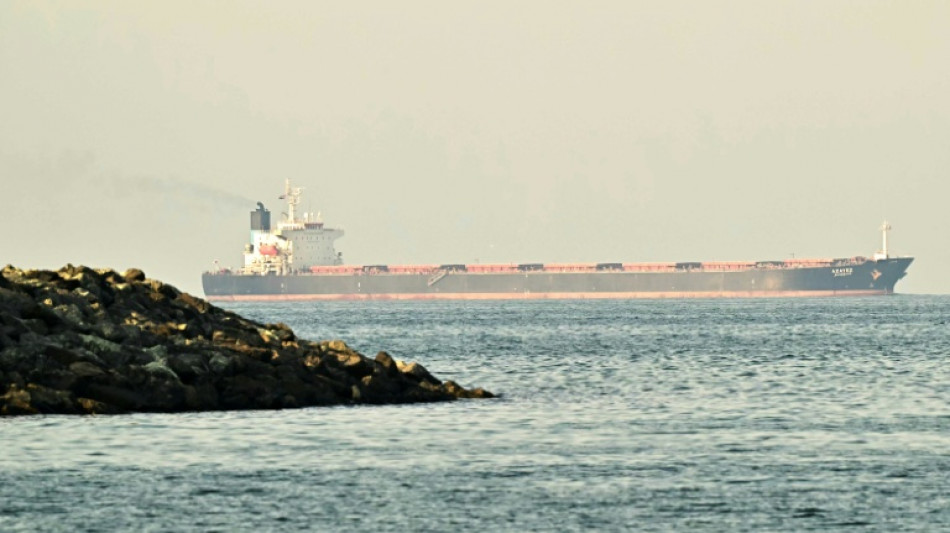
Trapped seafarers traumatised by Gulf fighting: charities / Photo: © AFP

 Global stocks rally on lower oil prices, US-China hopes

 EU proposes energy rating for data centres

 Schoolgirl Yu scorches to second gold as doping case rocks Games

 Putin's party secures record score in Russia election

 Haupt Koleksiyonu: Paranın Biz İnsanlar Hakkında Anlattıkları

 Spanish PM says unregulated AI could be 'devastating'

 Yu, 13, smashes record again with second Asian Games gold

 Switzerland to play without Xhaka over fake Covid certificate

 From Korean Chipmakers to Leveraged Semiconductor ETFs: STARTRADER Launches 49 New 24/7 Stock and ETF CFDs

 Thai badminton player first doping case at Asian Games: testers

 Колекція Гаупта: Що гроші розповідають про нас, людей
 German far-right AfD poll winner says Merz 'twilight' has begun

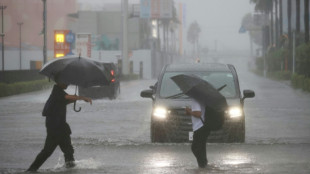 Flights scrapped, evacuations urged as Typhoon Dujuan nears Japan

 China confirms Xi to visit US this week for Trump talks
 مجموعة هاوبت: ما يكشفه المال عنا نحن البشر

 Colecția Haupt: Ce ne dezvăluie banii despre noi, oamenii

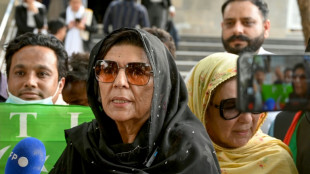 Sisters of jailed Pakistan ex-PM Imran Khan arrested

 African players in Europe: Semenyo brace helps City top table

 'For my family': India boxer beats hardship, injury to go for Games gold
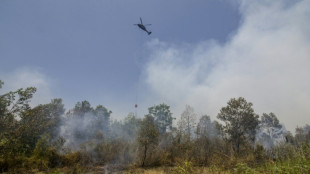 Indonesia doing 'everything' but still struggling to curb fires

 Once decried as 'human cockfighting', MMA wants Olympic spot
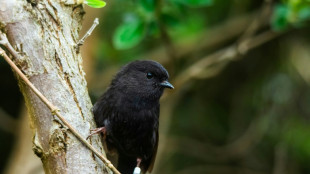
 China's Yu, 13, great for swimming says multiple Olympic medallist

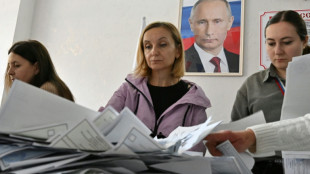 Putin's party set to retain power after Russia vote hit by cyberattacks, drones

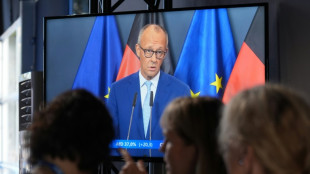 Germany's Merz under pressure after bruising state election losses

 Messi, Miami frustrated in 2-2 draw with San Diego
Isolated and traumatised by drones and missiles, seafarers in the Gulf face grave mental suffering after more than two months stuck on board in the Middle East war, maritime charities warn.
From captains to cooks, engineers and other officers, the workers who keep global freight flowing have found themselves not just stranded but in some cases right in the firing line of the US-Israeli war with Iran.
"We hear stories of how frightened they are. It's pretty scary," said Gavin Lim, head of the Crisis Response Network for the Sailors' Society, a UK-based seafarers' charity, who spoke with one crew whose vessel was hit. "They thought: 'We were going to die'."
Trade vessels have been struck by projectiles and fired on by Iranian Revolutionary Guards in dozens of incidents, according to the British maritime security monitor UKMTO.
At least 11 seafarers have been killed, according to the International Maritime Organization.
"They see drones flying, they see missiles flying, and then we see instances where the ships get hit," said Lim. "You can imagine that anxiety and fear building up. 'Are we just bait? Are we going to be a victim so that someone can make a point?'"
The Seafarers' Charity cites hypervigilance, burnout, fatigue, loneliness, depression and anxiety as some of the mental strains facing the 20,000 seafarers stranded by Iran's blockade of the Strait of Hormuz since February 28.
At least two commercial vessels have been seized by Iranian forces under their blockade of the vital trade route. A video showed masked guards with guns boarding a ship.
"We heard that one of the seafarers, an officer, suffered a panic attack while the vessel was being boarded," said John Canias, maritime operations coordinator for the International Transport Workers' Federation (ITF).
"Fortunately, the news is they have been taken care of... they have been allowed to speak to their family through the internet."
- Bereaved families -
The strain extends to the seafarers' families at home, worried about their stranded loved ones -- or in the worst cases, bereaved.
On March 1, the second day of the conflict, a projectile hit a tanker in the Gulf, killing a 25-year-old Indian seafarer as he started his shift in the engine room, said Melanie Warman, communications director for the Sailors' Society, who spoke to his family.
"The mother has been in and out of hospital, not eating. It's obviously a really desperate situation," she told AFP.
"For the families, this is really, really difficult. We hear from families who can't reach their loved ones on board ships and they're really frantic with worry."
Like the Sailors' Society, another sailors' helpline charity, the International Seafarers' Welfare and Assistance Network (ISWAN), fields calls from trapped workers and offers them practical and psychological support.
"Most of the calls are around repatriation -- what are their rights, how to go about it -- and also obviously the sort of the stress and the worry about being in a conflict zone and not being trained or prepared for it," said ISWAN's chief executive, Simon Grainge.
- Training to cope -
Some charities are working with shipping companies to strengthen support for seafarers under unprecedented strain.
"The most up-to-date guidance we have on mental health and attacks is really based around Somali piracy, which is more under control" since attacks in the Indian Ocean surged in the early 2000s, said Deborah Layde, chief executive of the Seafarers' Charity.
"One of the things that quite a few organisations are now calling for is really up-to-date guidance on how to deal with wartime issues," she added. "This isn't something that a lot of shipping companies are ready for."
To that end, the charity has turned to mental health professionals to help provide guidelines and a webinar to guide seafarers to cope with the stress of the situation.
"There's this constant higher level of stress and hypervigilance without that ability to reset as they might normally do. There's exhaustion," said Rachel Glynn-Williams, a psychologist working with seafarers who is involved in developing the webinar.
"At the point I pick up crew conversations, they will have been on hyper-alert for a sustained amount of time, so their nervous system will be heightened and it's going to take a little time, depending on the individual, for that nervous system to reset," she told AFP.
"For some people, it might be fairly soon afterwards, within a matter of days, if not hours. For others, it might take a little longer."
C.Bruderer--VB