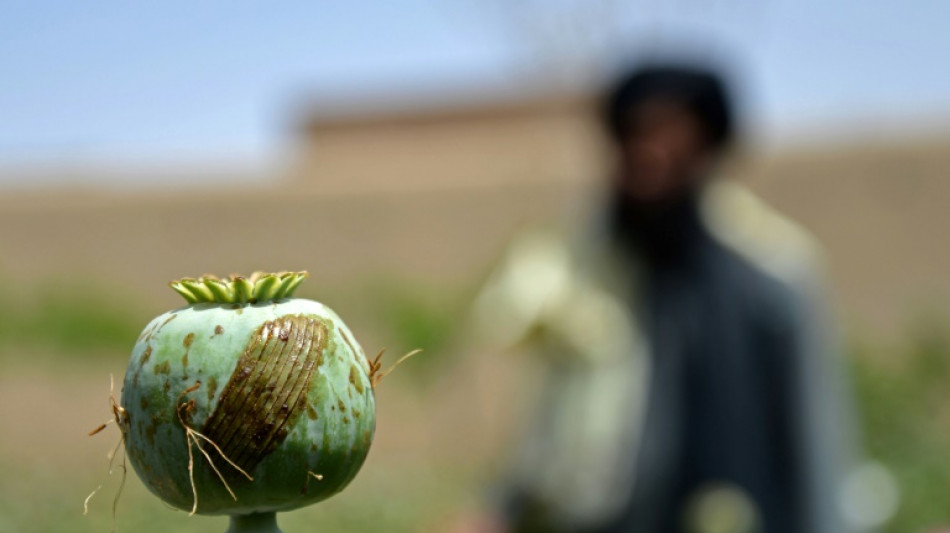
Poppy growth down 95% in Afghanistan since Taliban ban: UN / Photo: © AFP/File

 Hurricane Polo strengthens to top category 5 off Mexico

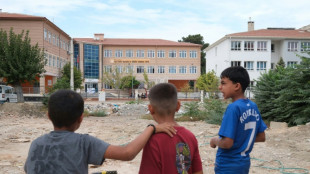 11 hurt as teen opens fire outside school in western Turkey

 UN chief says 'Big Oil' treats atmosphere as open sewer

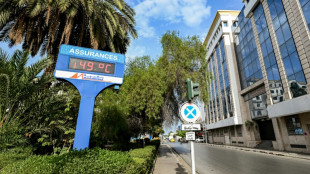 Tunisia says 2026 summer hottest on record

 England's Rashid out of Sri Lanka ODIs with hand injury

 Houthis accuse Saudi Arabia of deadly strikes as thousands flee

 Stocks climb as oil slides, AI buzz returns

 India cricketers win in style as Afghan savours 'special' Games silver

 La Liga president hits out at Real Madrid refereeing 'conspiracy' claims

 MEXC Launches “Real Stocks, Real Friends” with Rewards for Bringing Friends to Wall Street

 Mbappe continues media push for Ballon d'Or recognition

 Stocks rise on AI buzz, oil prices cool

 India narrowly survive huge scare against minnows Japan

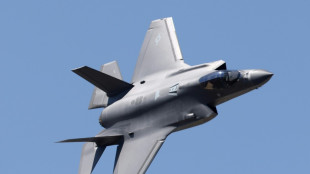 Missing F-35 fighter parts 'not sensitive', says Australia minister
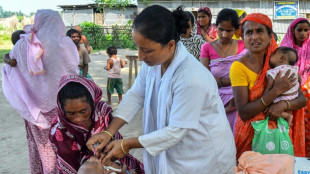
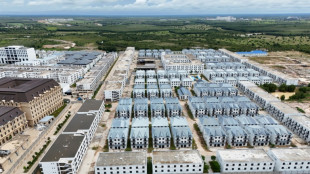 Cambodia showcases scams crackdown with global conference

 Afghan cyclist who disguised herself as man wins Asian Games silver

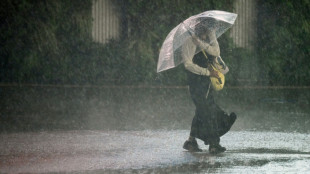 Typhoon Dujuan leaves four dead in Japan, 45,000 houses without power

 G7 leaders condemn Houthi strikes on Saudi Arabia

 Google data centre sparks protests in Austria

 Shin Ohashi: Junk food-loving teen and Japan's next big swimming hope

 Stocks rise on AI buzz, drop in oil prices

 China's robot dancers limber up for America's Got Talent final

 Despite military might, Saudi struggles to crush the Houthis

 Trump to tout deals, defend Iran war in UN speech

 Sri Lanka to issue verdict in landmark Easter attack trial

Poppy cultivation and opium production have plunged 95 percent in Afghanistan since Taliban authorities banned the crop, according to a UN report published Sunday.
Since returning to power in 2021, Taliban authorities have vowed to end illegal drug production in Afghanistan and in April 2022 banned the cultivation of the poppy plant, from which opium and heroin are made.
The report by the United Nations Office on Drugs and Crime (UNODC) found that poppy cultivation has collapsed by an estimated 95 percent -- from 233,000 hectares (575,755 acres) at the end of 2022 to 10,800 in 2023.
Opium production has followed suit, plummeting from 6,200 tons to 333 tons in 2023.
This year's estimated harvest amounts to 24-38 tons of exportable heroin, compared with 350-580 tons last year.
The UNODC warned of potential "humanitarian consequences for many vulnerable rural communities" due to the sudden contraction of Afghanistan's opium economy, as growers have had to turn to far less lucrative alternative crops.
Farmers' incomes, estimated at $1.36 billion in 2022, have fallen by 92 percent to $110 million this year, according to the UNODC, with the loss expected to impact the country's already struggling economy more broadly.
Last year, poppy crops accounted for almost a third by value of total agricultural production in Afghanistan, the world's leading producer.
"Today, Afghanistan's people need urgent humanitarian assistance... to absorb the shock of lost income and save lives," said UNODC Executive Director Ghada Waly in a statement.
"For all the other production -- cotton, wheat -- they need much more water," she said at a briefing on the report, while the country was experiencing "three years of consecutive draught".
The Afghan interior ministry's narcotics department said it agrees "to a certain extent" with the UNODC report's estimates of the area under poppy cultivation.
But it dismissed other elements of the report, such as those regarding opium production and socio-economic data, because they were not based on field-based surveys, relying instead on satellite images and previous years' data.
P.Keller--VB