Glyphosate: where is it banned or restricted? / Photo: © AFP/File

 Carney Welcomes U.S. Trade Reversal After Democratic Midterm Victory

 Armenian FM Discusses EU Accountability for Palestinian Rights in Madrid

 Trump and Vance Pursue Secret Diplomacy with Iran Amid Military Pressure

 Classic Car Values Surge: De Tomaso Vallelunga Leads 190% Gain

 Microsoft Ends Oracle AI Computing Rental Deal Amid Cloud Strategy Shift

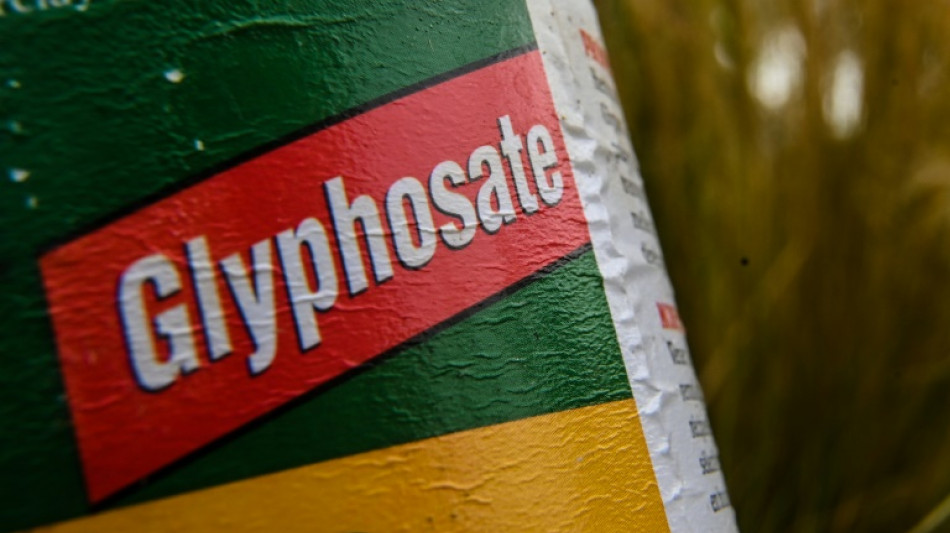
One of the world's most popular weedkillers, glyphosate, has divided the scientific and health community, prompting several countries either to ban or limit its use.
The World Health Organization's cancer agency said in 2015 that the active ingredient in many generic herbicides, including Monsanto's Roundup, was "probably carcinogenic".
But on Wednesday the European Commission proposed to authorise its use for another 10 years in the EU, after a report found there was no reason to block it.
AFP looks at the situation around the world:
- Europe: individual bans -
Glyphosate has been debated in the EU for years but not banned. Its current authorisation expired in December 2022 but it was extended for a year while scientists reviewed its safety.
Under pressure from environmentalists, individual countries have tried to curb its use.
In France, the Netherlands and Belgium, glyphosate is banned for household use.
Germany, the home of chemicals giant Bayer which bought Monsanto in 2018, has banned it in public spaces and plans a total ban at the end of this year.
Austria and Luxembourg both tried, but failed, to ban glyphosate.
- US: billions in lawsuits -
Monsanto, and more recently its new owner Bayer, have faced a wave of lawsuits in the US over claims its glyphosate-based herbicide Roundup causes cancer.
The firm denies such claims but has paid out billions of dollars to settle legal disputes.
California has led the charge against Monsanto, with several cities and counties banning or restricting glyphosate.
The Environmental Protection Agency in 2019 ruled it was "not likely to be carcinogenic to humans."
- Latin America -
The health agency of agriculture powerhouse Brazil also concluded in 2019 that glyphosate presented no risk to human health.
Colombia and El Salvador both banned glyphosate and then overturned the decision, while Mexico has pledged to outlaw its use by 2024.
- Asia -
Vietnam is the only country in Asia to have fully banned the use of the chemical.
The Sri Lankan government tried in 2015 but then cancelled the ruling in 2021 for lack of scientific evidence.
D.Schlegel--VB